
-By Shamim Hossainz, Engineer (Muspana)
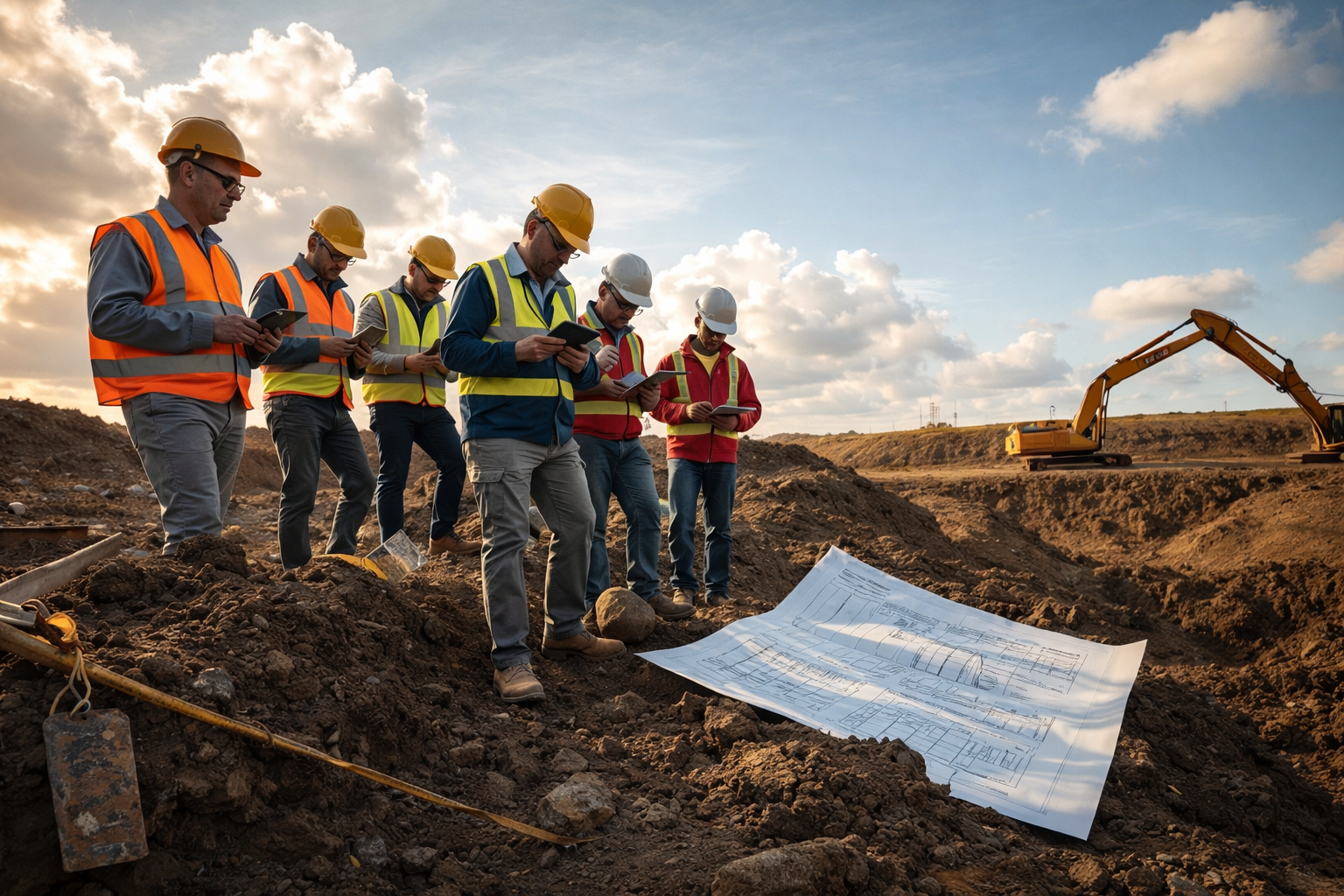
Before any excavation work begins, understanding the site is critical. A Pre-Excavation Survey & Site Assessment helps identify existing structures, ground conditions, utilities, safety risks, and environmental concerns. This early assessment ensures safe excavation, protects nearby buildings and services, and minimizes construction risks. In this article, we’ll briefly highlight why pre-excavation assessment is a vital first step for any successful construction project.
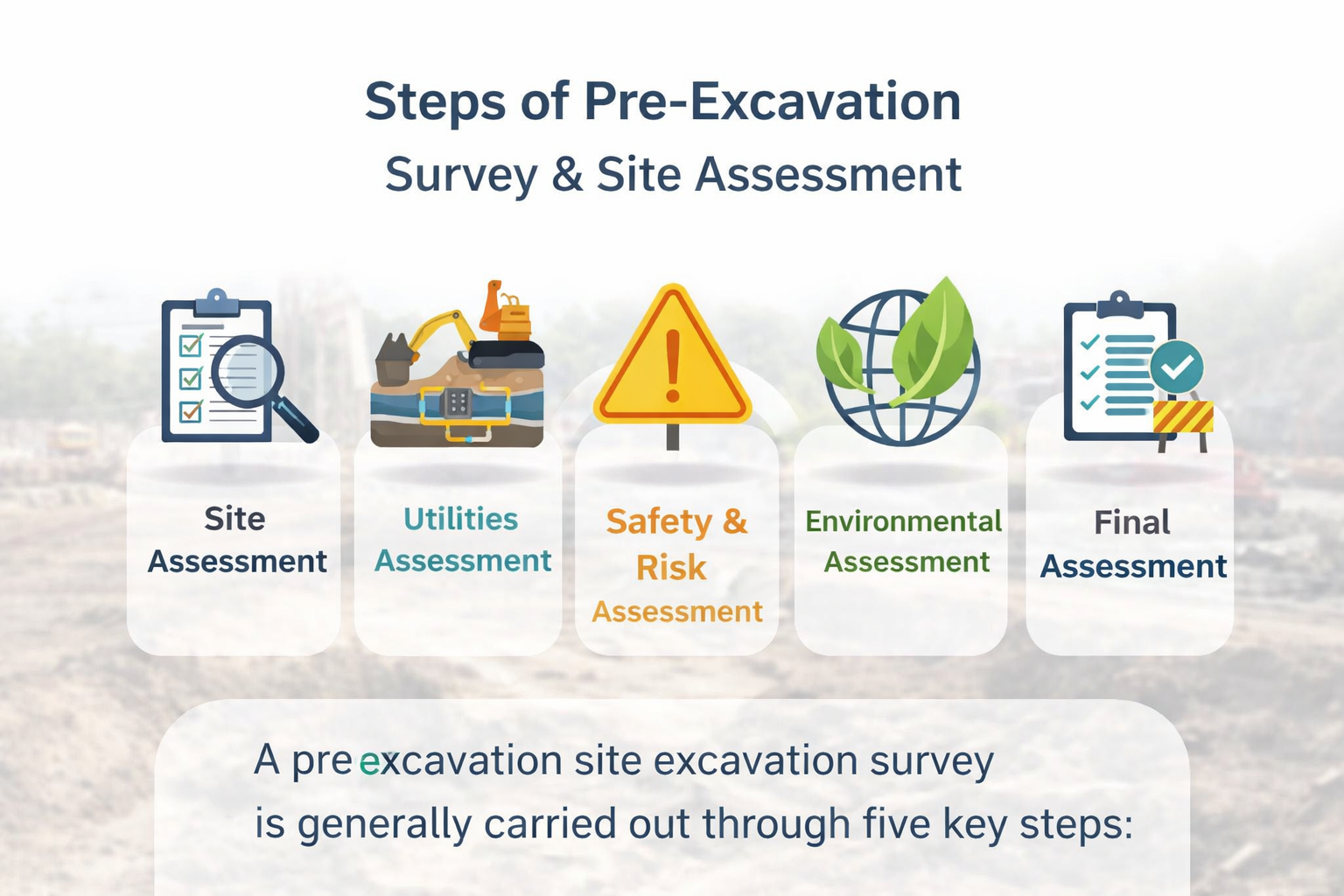
A pre-excavation survey is generally conducted through a few essential steps to ensure site safety, stability, and compliance before excavation work begins. These key steps include:
- Site Assessment
- Utilities Assessment
- Safety & Risk Assessment
- Environmental Assessment
- Final Assessment
1. Site Assessment
Existing structures
An assessment of the current condition and location of existing buildings, foundations, roads, or other civil structures on a site. This involves analyzing the stability of these structures, damage, and potential impacts of new work.
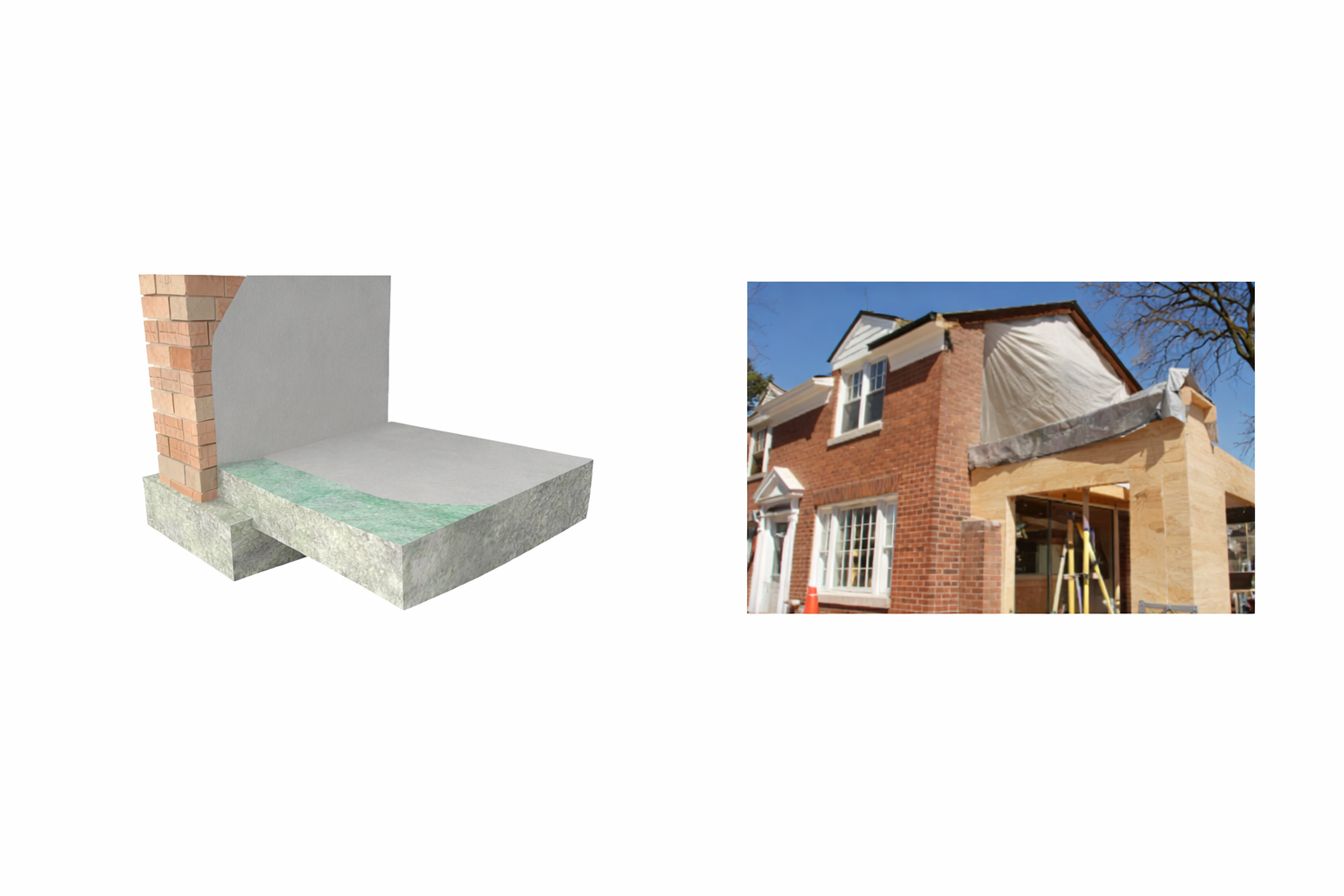
Adjacent buildings
The civil condition of the adjacent building was inspected to assess structural integrity, foundation type, and existing defects such as cracks or settlement. This assessment helps ensure that nearby construction activities do not adversely affect the safety and stability of the adjacent structure.
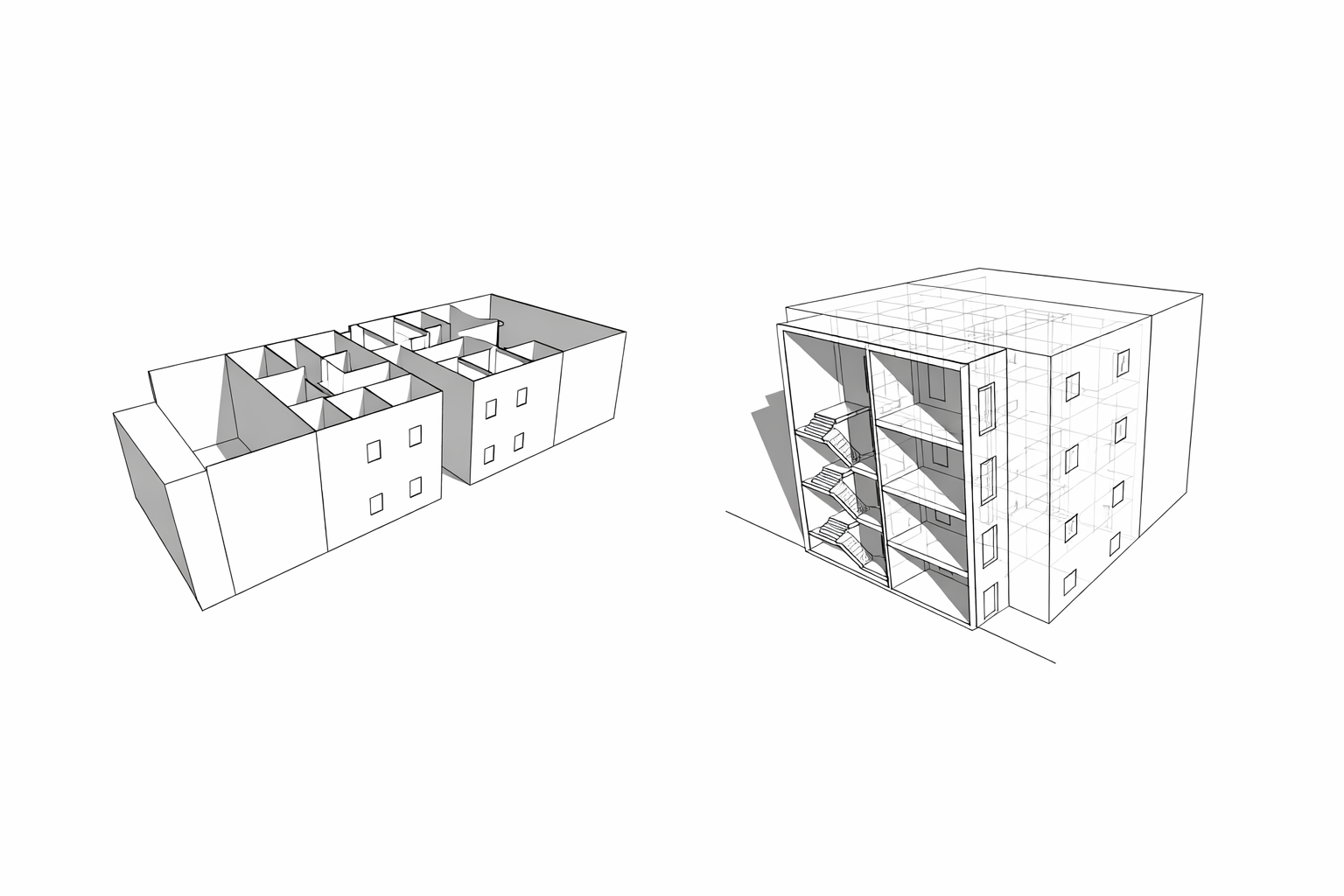
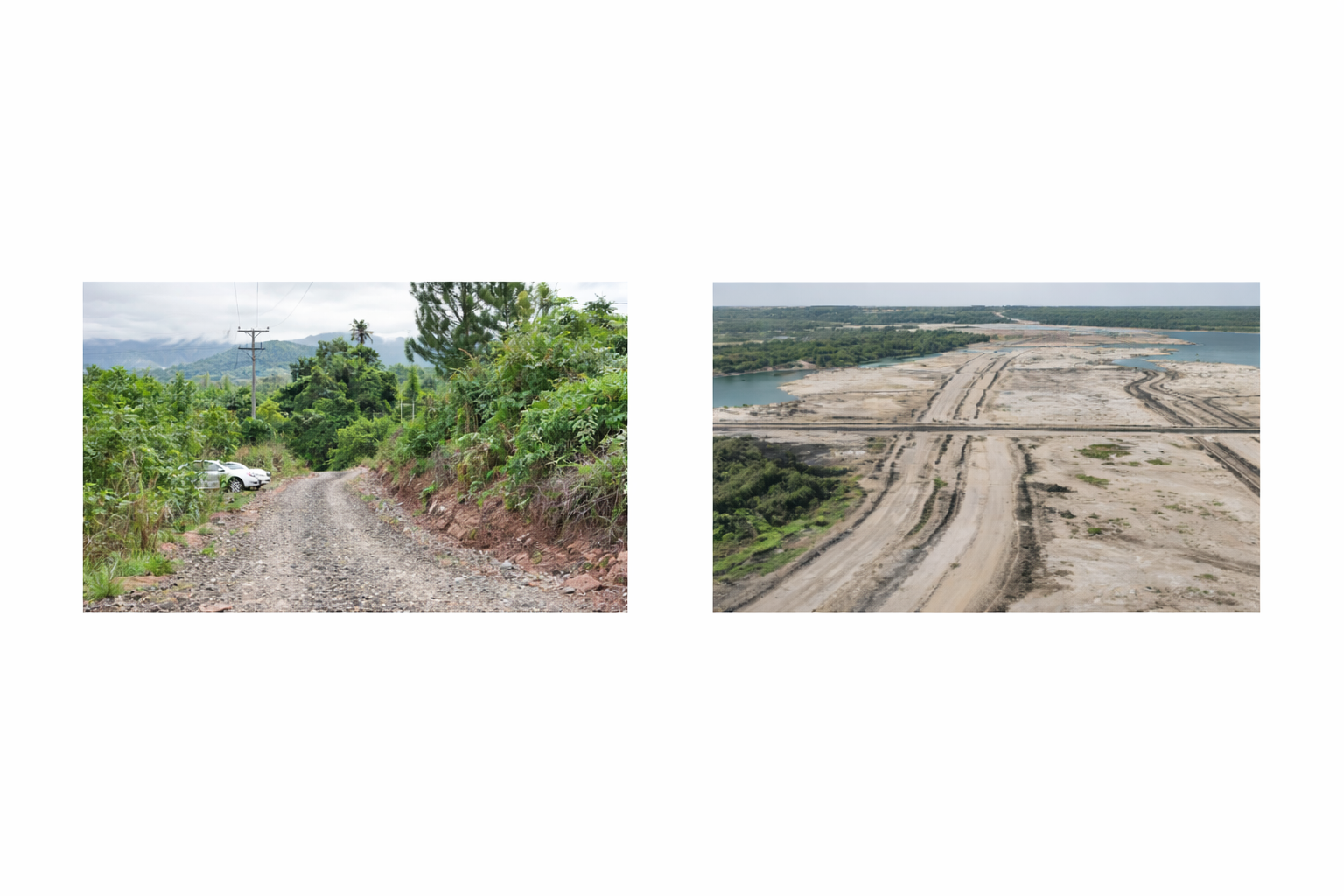
Access road condition
The access road condition was assessed considering surface quality, width, drainage, and existing damages. This evaluation ensures safe movement of construction vehicles and identifies any required improvement or protection measures.
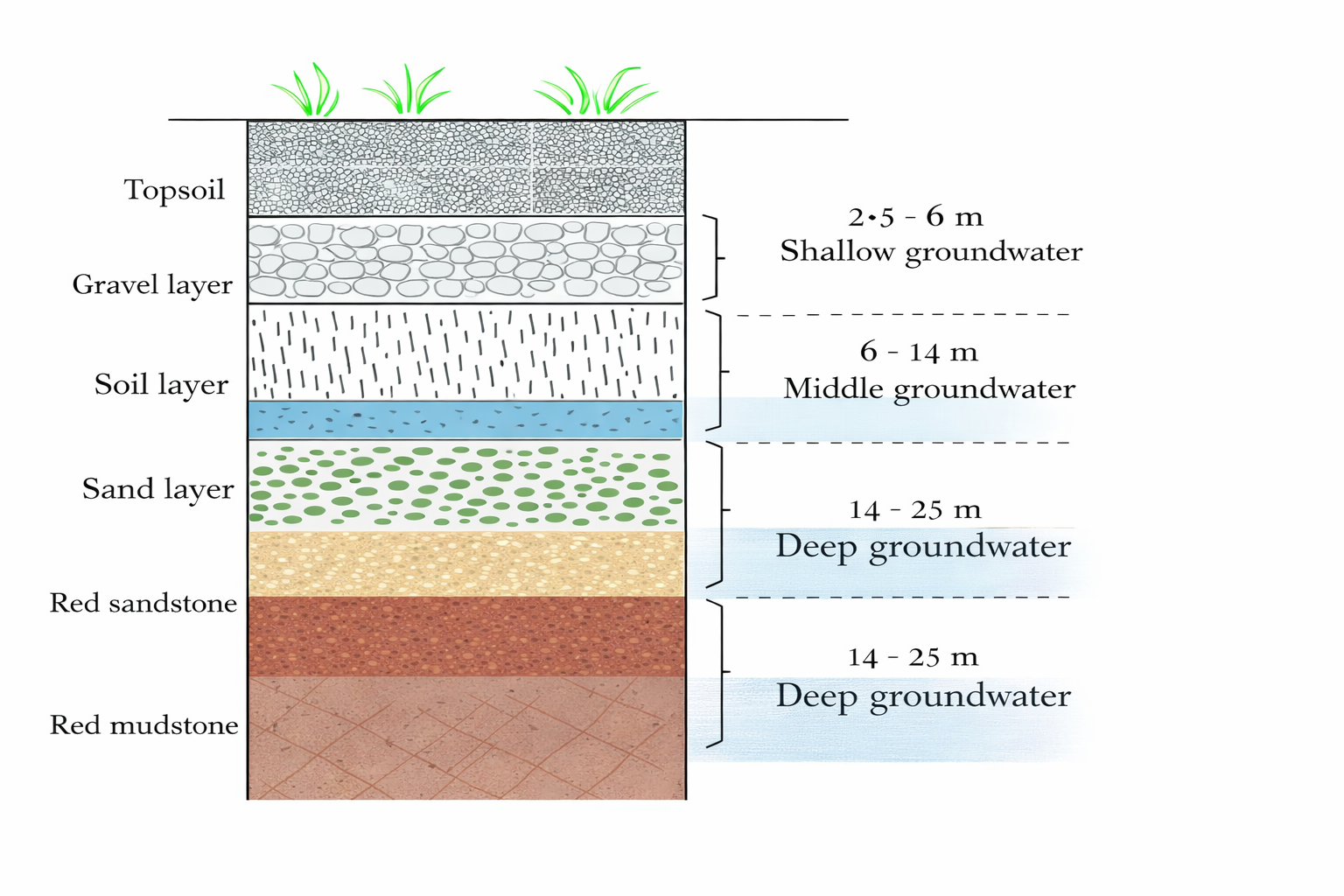
Soil type, groundwater level
The soil type at the site was identified through visual inspection and available geotechnical information to understand its bearing characteristics. Groundwater level was observed/recorded to assess its potential impact on excavation, foundation work, and overall construction safety.
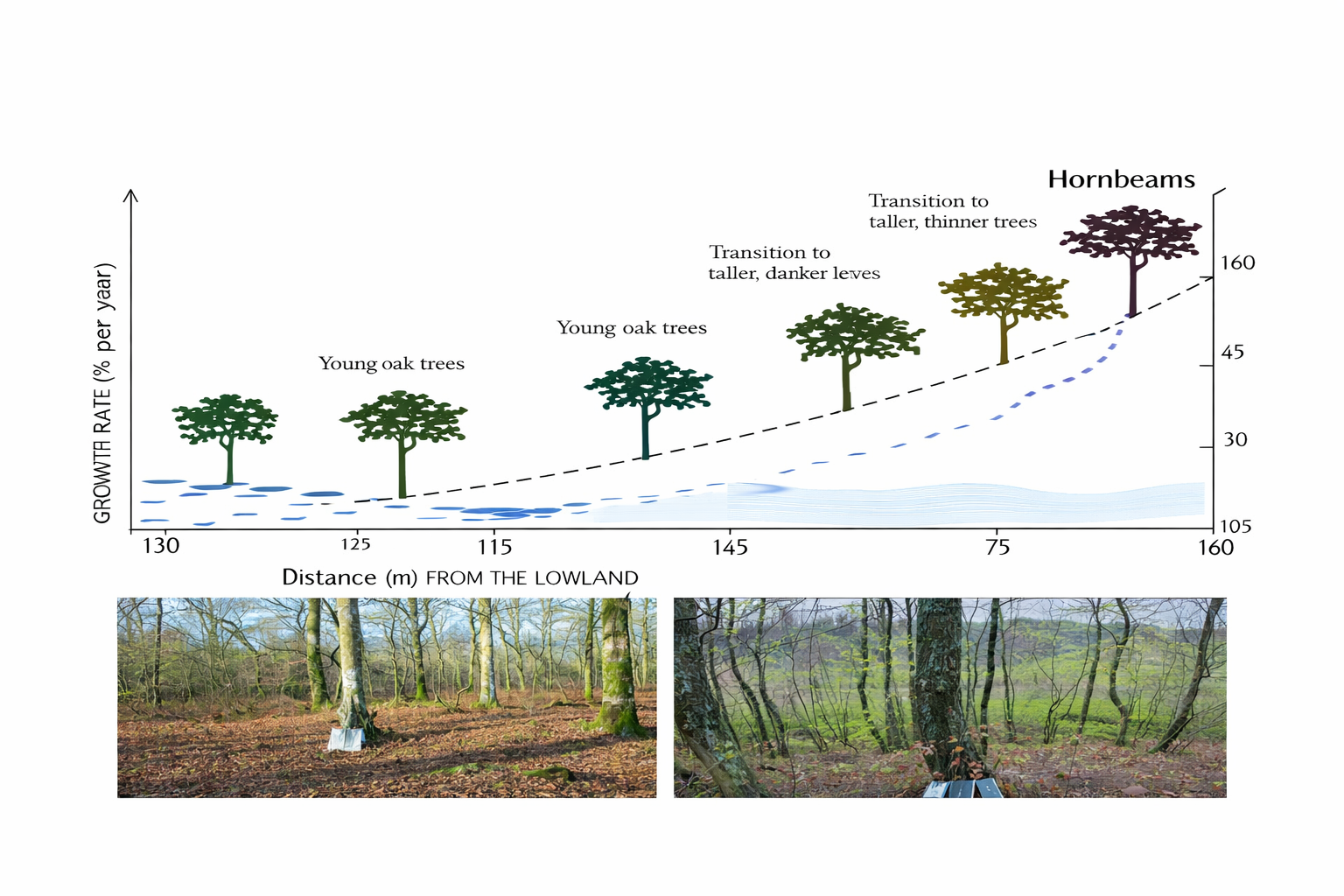
Topography & vegetation
The site topography was examined to understand ground levels, slope, and natural drainage patterns. Existing vegetation was noted to assess clearance requirements and potential environmental impacts before construction.
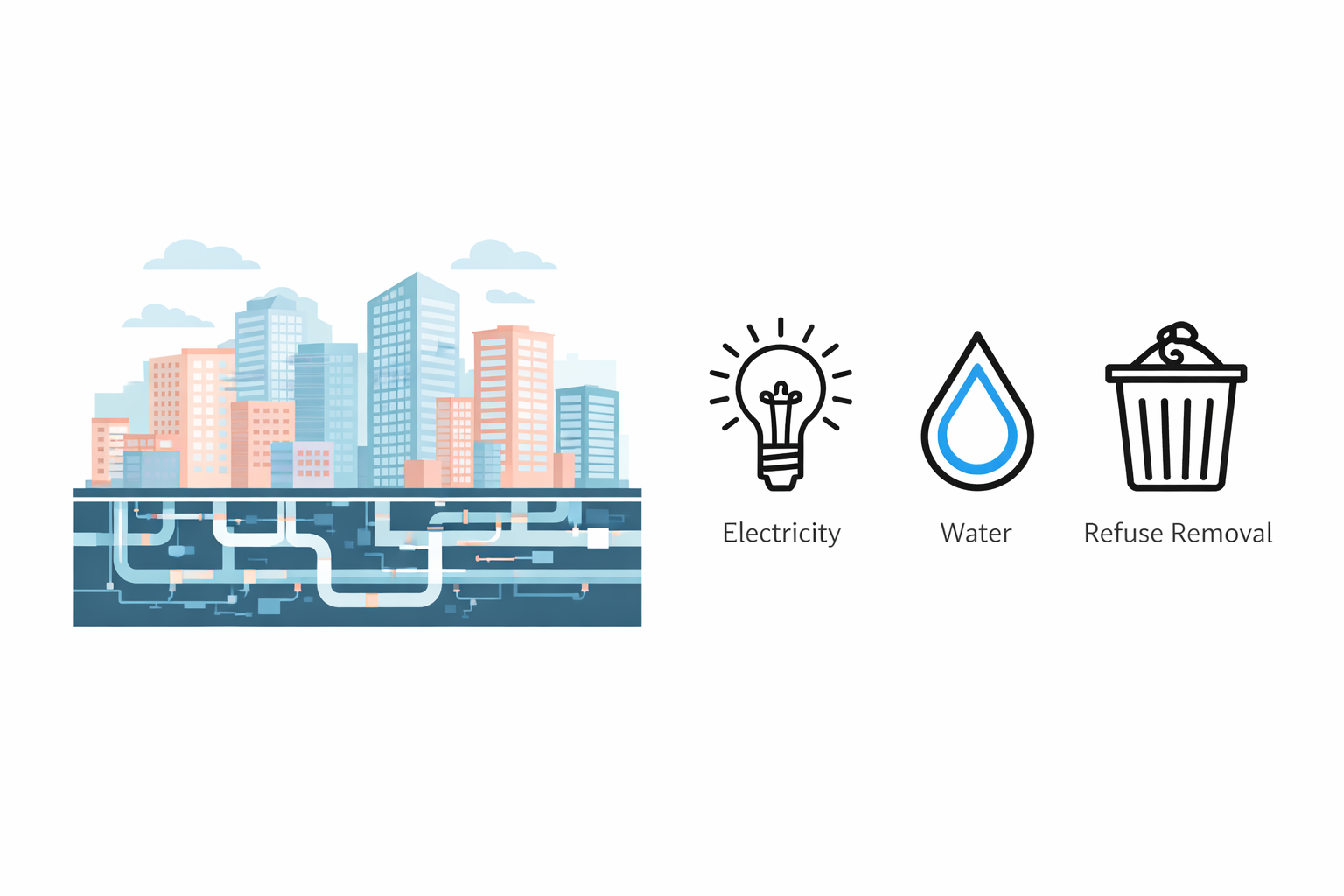
2. Utilities
Underground utilities (water, gas, sewer)
Existing underground utilities such as water supply, gas lines, and sewer systems were identified based on-site inspection and available records. This assessment helps prevent accidental damage during excavation.
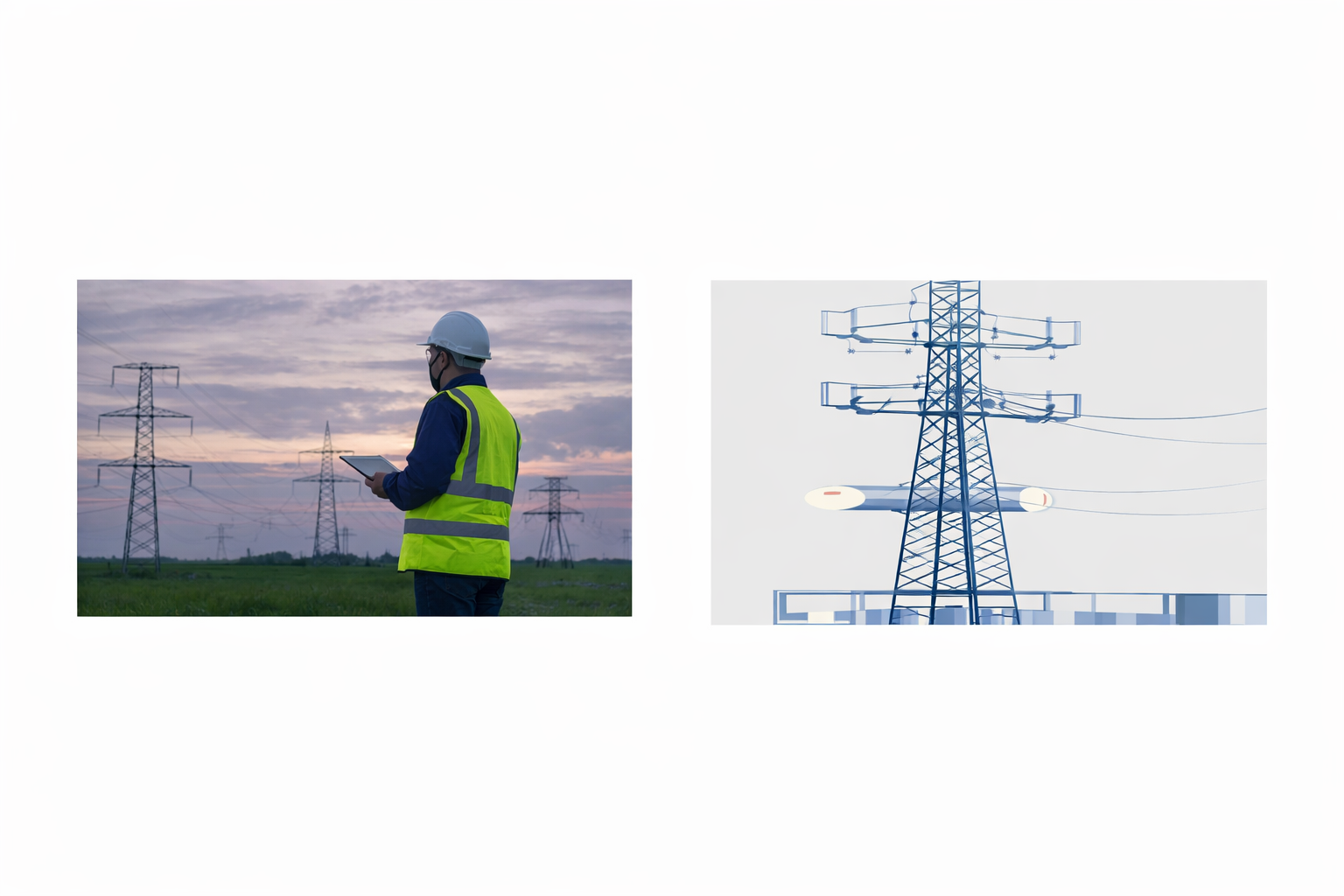
Overhead utilities (electric, telecom)
Existing overhead utilities, including electric lines and telecommunication cables, were identified and assessed during site inspection. This evaluation ensures that construction activities are planned safely to avoid accidental damage, service disruption, and potential safety hazards during excavation and related works.
Protection requirement
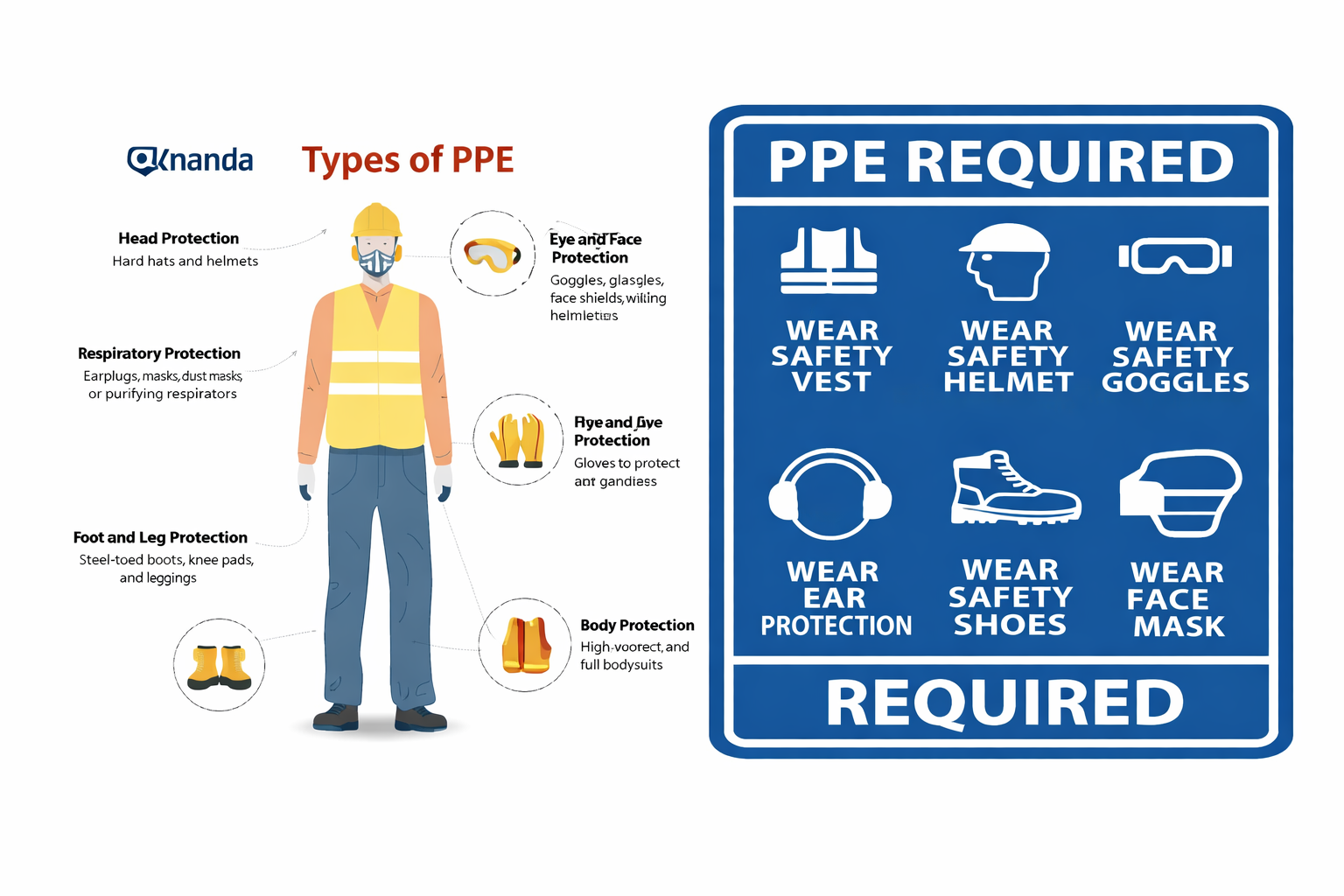
Necessary protection requirements were identified to safeguard adjacent structures, utilities, and public areas during construction. These measures ensure safety, minimize risk of damage, and maintain compliance with standard construction practices.
3. Safety & Risk Assessment
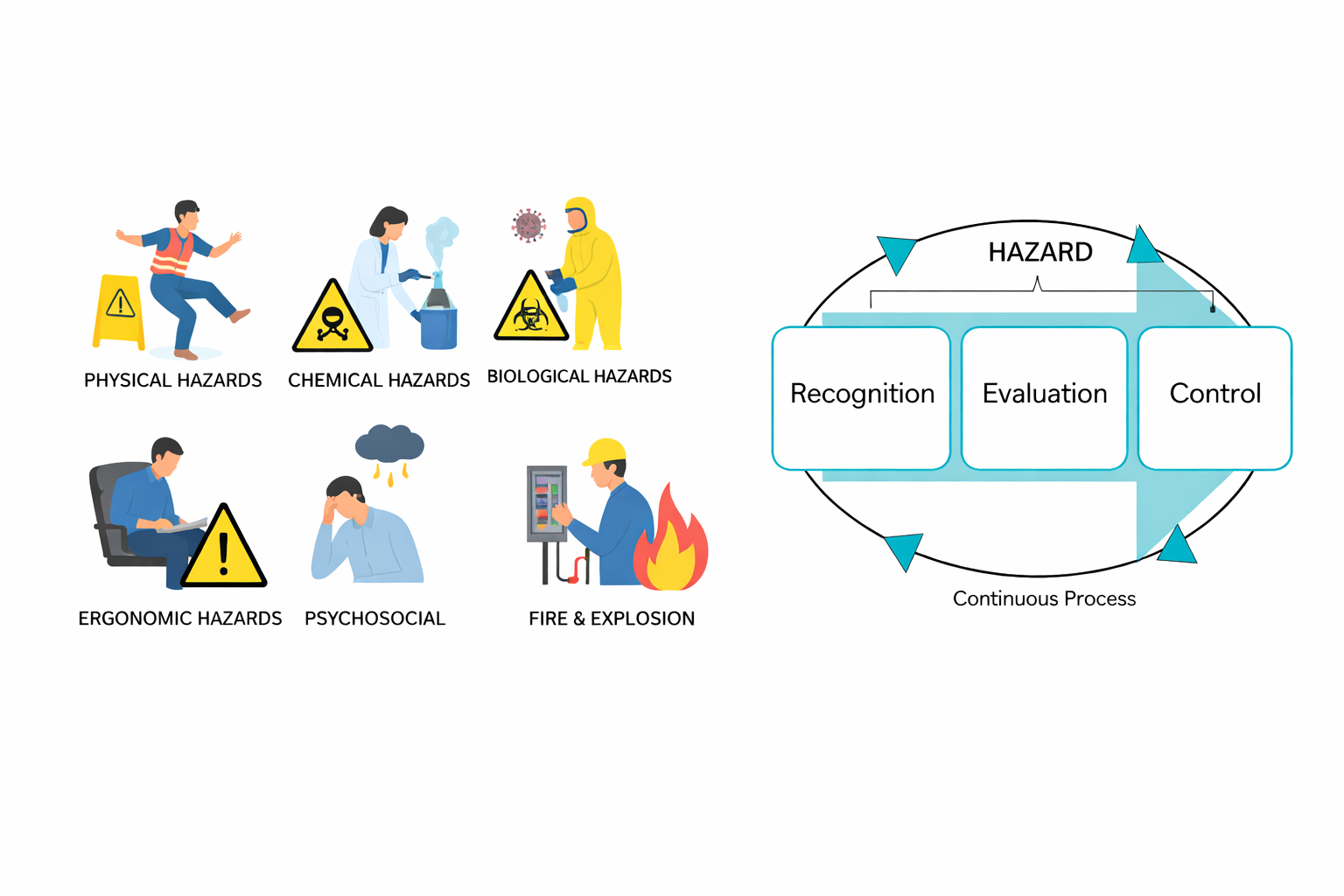
Hazard identification
Potential hazards at the site were identified through visual inspection and assessment of existing conditions. This identification helps implement appropriate safety measures to reduce
risks during construction activities.
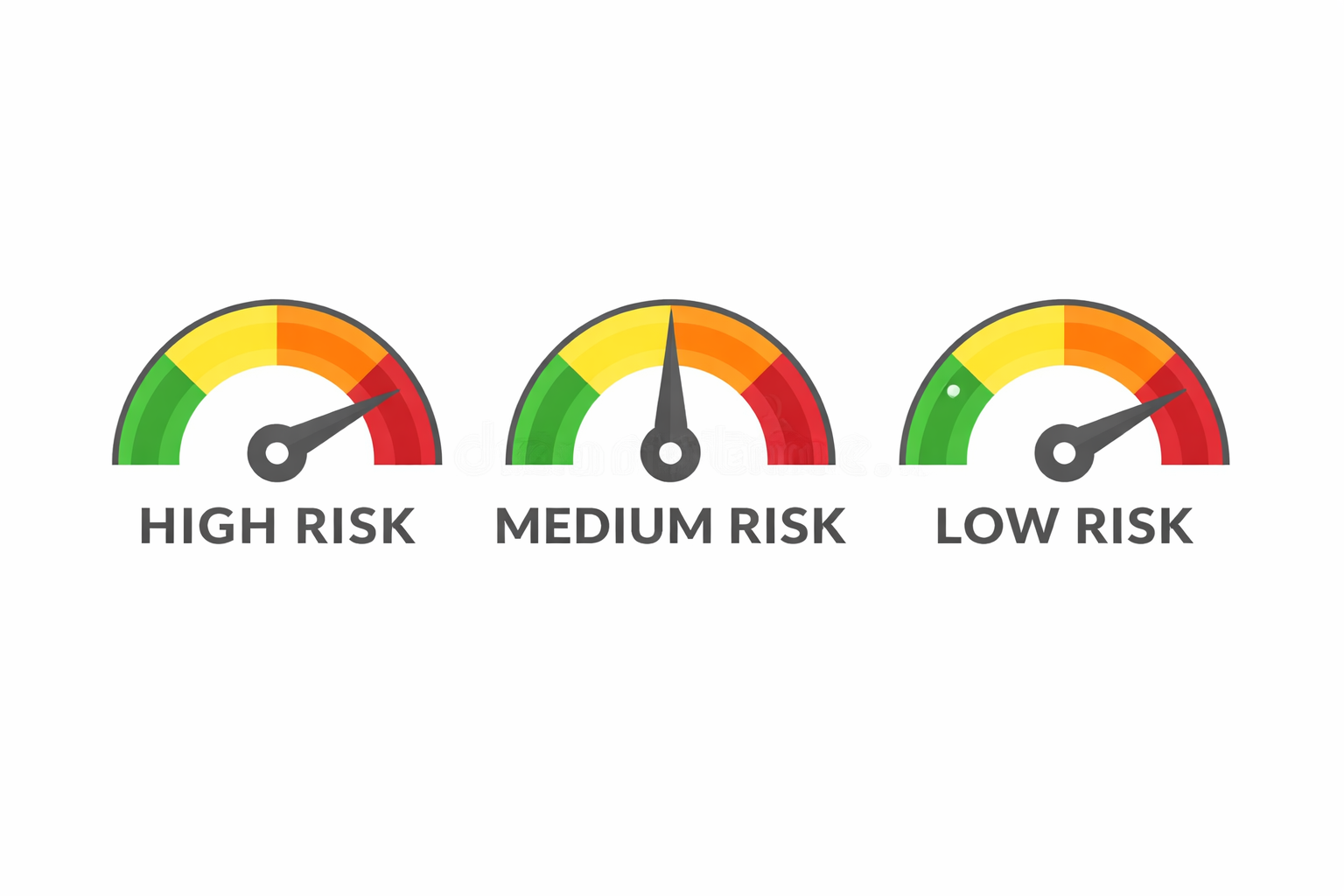
Risk level (Low/Medium/High)
The overall risk level of the site was evaluated based on identified hazards, site conditions, and surrounding environment. Accordingly, the risk was classified as Low, Medium, or High to guide
necessary control and mitigation measures.
Mitigation measures
Appropriate mitigation measures were proposed to minimize identified risks and ensure safe construction practices. These measures include protective works, traffic management, and
monitoring to prevent damage to structures and ensure worker safety.
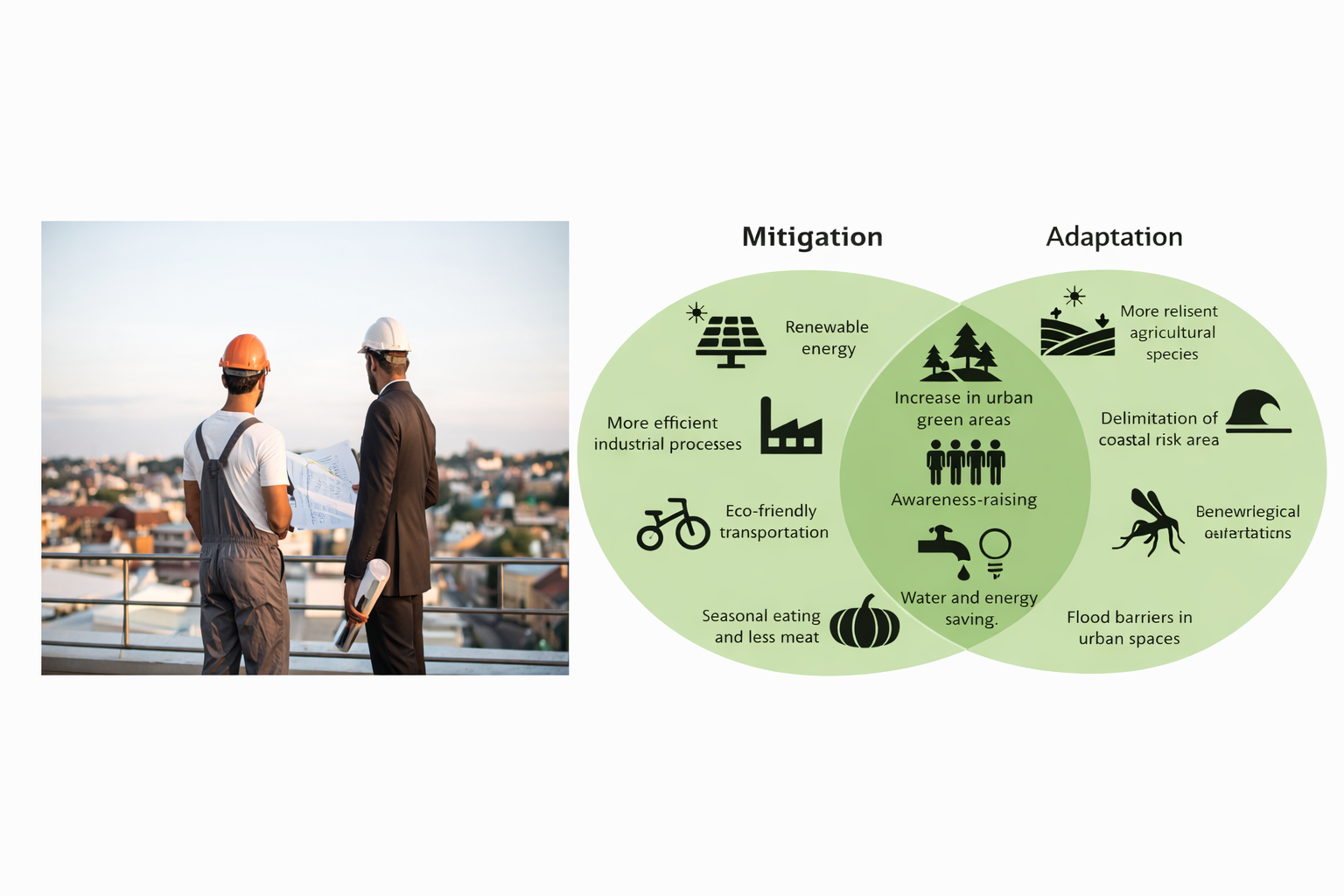
4. Environmental Assessment
Environmental impacts
Potential environmental impacts of the construction activities were assessed, including effects on air, water, soil, and local vegetation. Recommended measures were suggested to minimize pollution, manage waste, and preserve the surrounding environment.
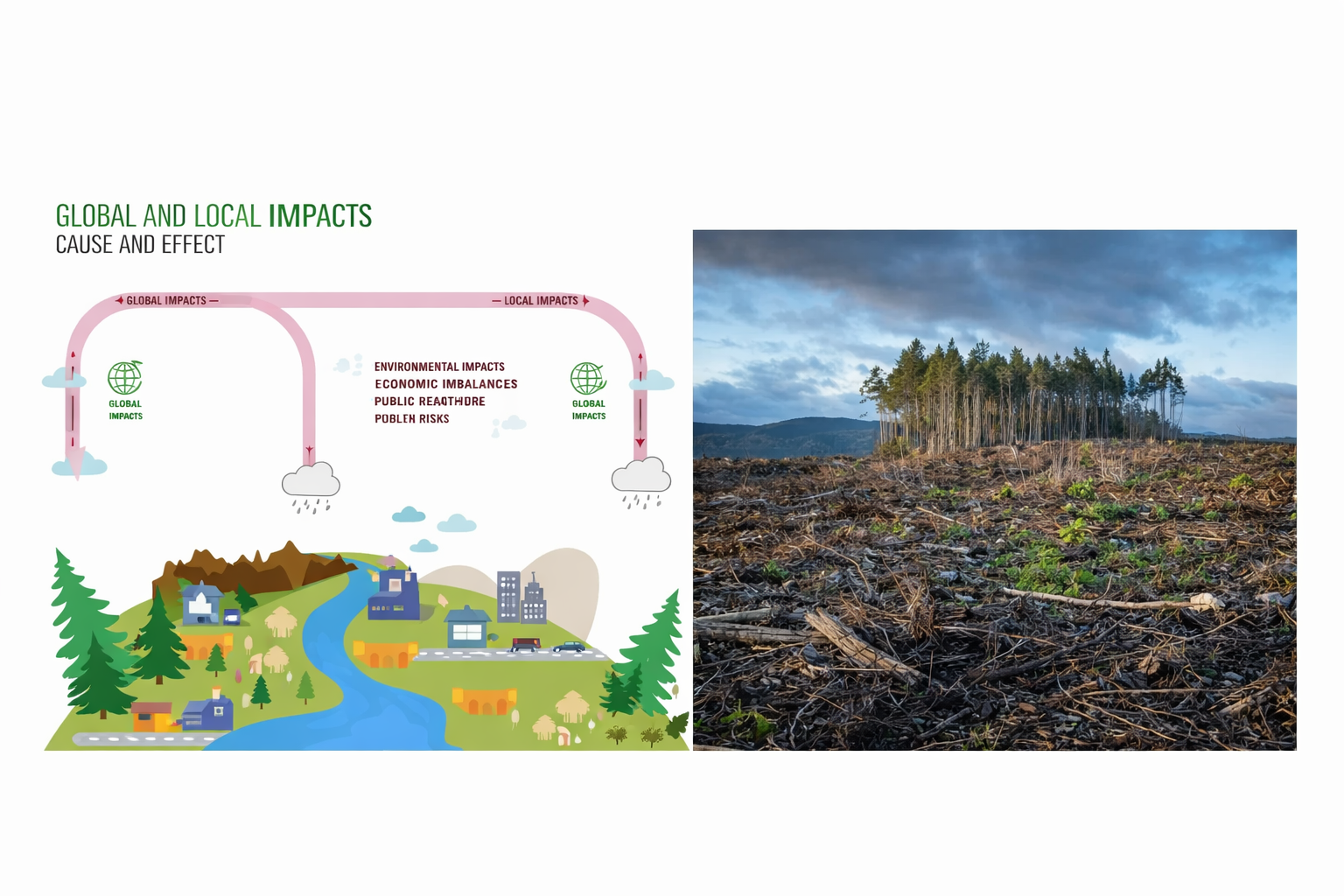
Control & compliance measures
Control and compliance measures were identified to ensure construction activities adhere to safety standards, regulations, and best practices. These measures include monitoring, reporting, and implementing corrective actions to maintain legal and environmental compliance.

5.Final Assessment
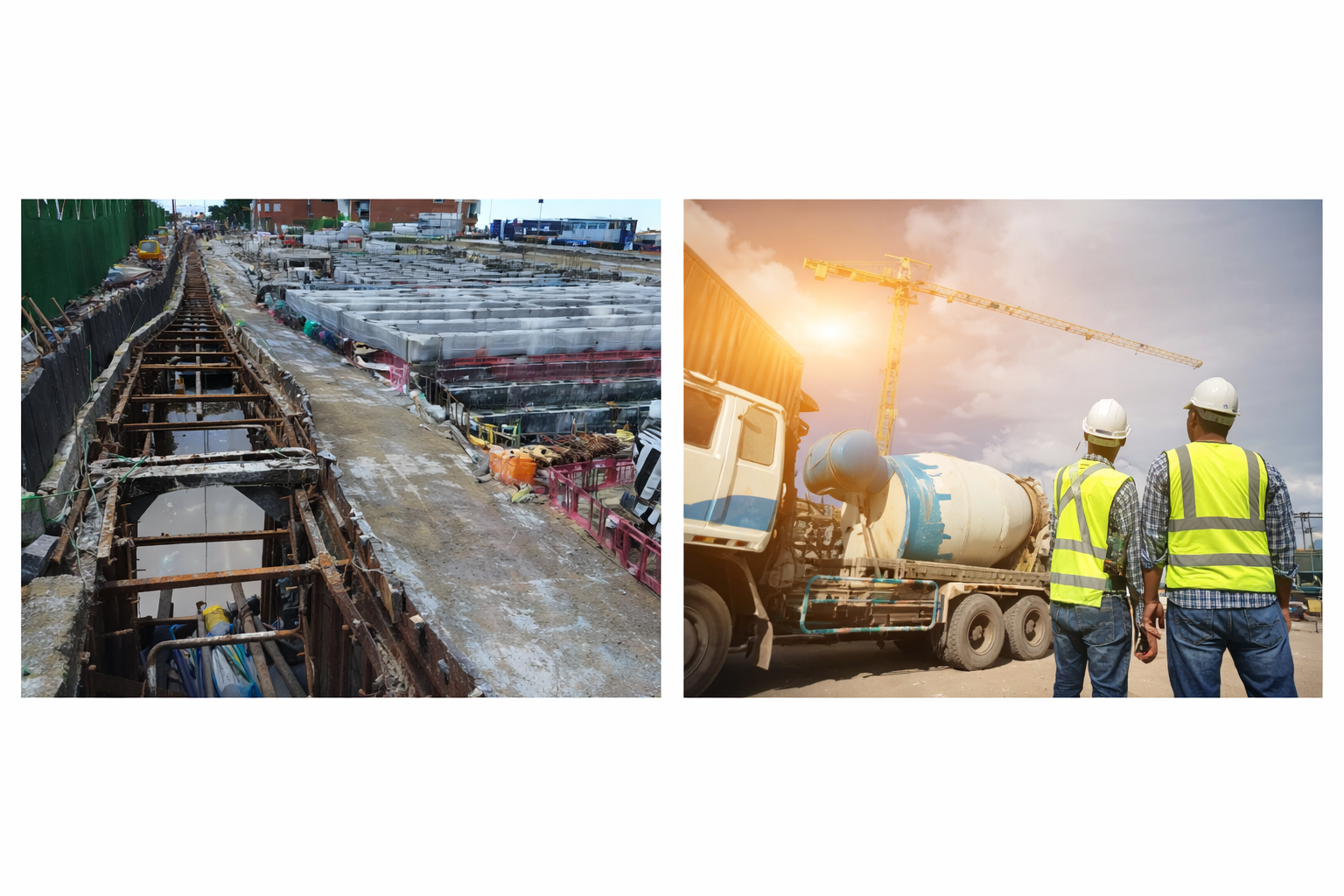
Overall site condition
The overall site condition was assessed, including ground stability, existing structures, access, and utility availability. This evaluation provides a comprehensive understanding of site readiness
and potential challenges before construction begins.
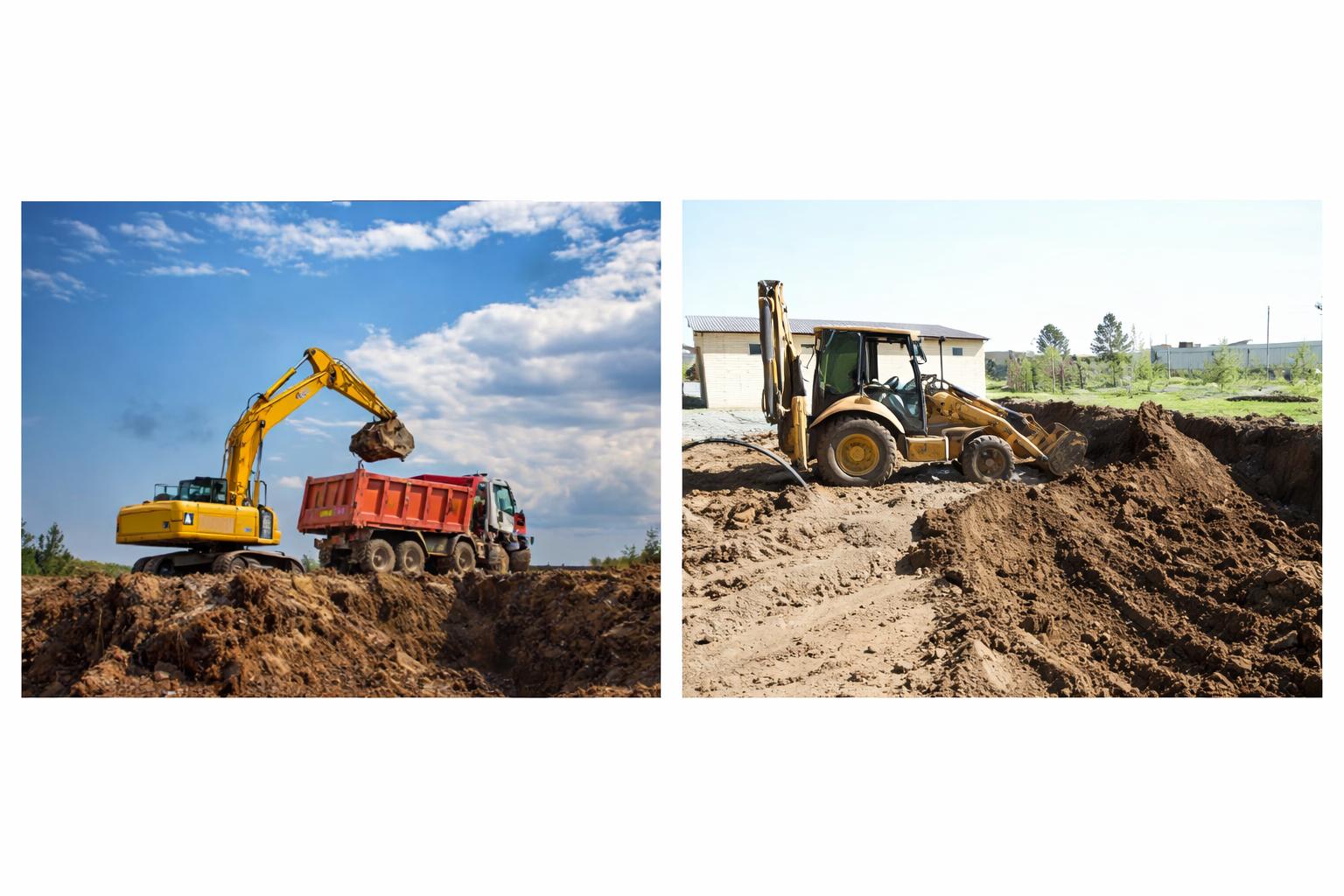
Excavation recommendation
Excavation recommendations were provided based on soil type, groundwater level, and adjacent structures. These guidelines ensure safe digging practices, prevent collapse, and maintain stability during construction.
A Pre-Excavation Survey & Site Assessment is a crucial step to ensure safe, efficient, and compliant construction work. By systematically assessing site conditions, utilities, safety risks, environmental impacts, and excavation readiness, potential hazards can be identified early and managed effectively. Proper pre-excavation assessment not only minimizes risks and damages but also supports smooth project execution and long-term structural stability.