
By Md. Tanvir Siraj, AGM, Engineering & Innovation (Muspana)
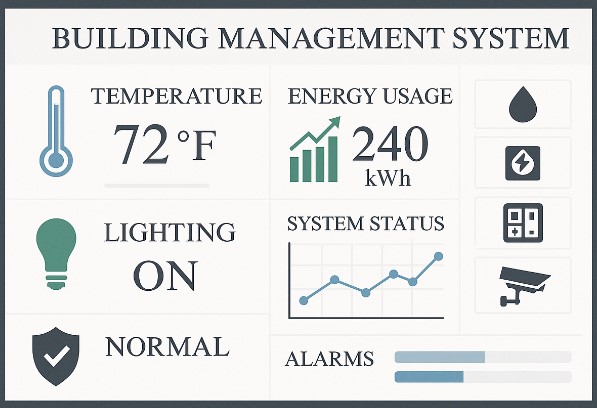
A Building Management System (BMS) is a computerized system that helps operate and control all the important facilities of a building from one place. Its main purpose is to make the building safer, more comfortable, and more energy efficient. Instead of manually checking every machine or system, a BMS lets managers monitor everything through a central dashboard—often on a computer or even a mobile phone.
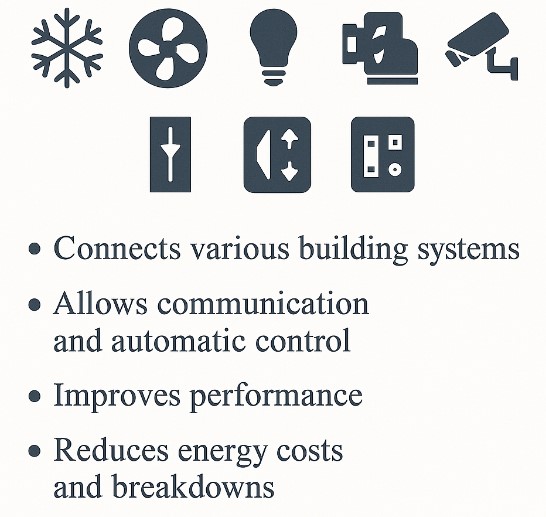
In any modern building, there are many systems running at the same time: air-conditioning, ventilation, lighting, fire alarms, elevators, water pumps, electrical panels, and security equipment. Normally, each system works on its own and managing them separately can be time-consuming and inefficient. A BMS connects all these systems so that they can communicate with each other and be controlled automatically. This improves building performance, reduces energy bills, and helps avoid breakdowns.
A BMS works through three main layers: sensors, controllers, and software.
First, sensors are installed throughout the building. These sensors measure things like temperature, humidity, air quality, lighting levels, motion, energy consumption, and equipment status. They continuously send this information to the BMS. For example, a temperature sensor in a room tells the system whether the room is too hot or too cold.
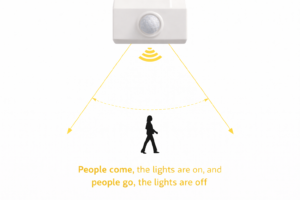
The next layer is the controller. A controller receives information from the sensors and decides what action to take. If the sensor reports that a room is too warm, the controller tells the air-conditioning system to reduce the temperature. If a room is empty, the controller can automatically turn off lights to save electricity. In this way, the system makes real-time decisions without requiring human involvement.
The third layer is the BMS software. This is the interface that building managers use. It displays live data from the entire building in an organized way. Managers can see which equipment is working, how much energy is being used, and whether any system needs maintenance. The software can also generate alarms and notifications. For example, if a water pump fails or the fire system detects smoke, the BMS immediately sends an alert so the issue can be fixed quickly. Managers can also adjust settings from the software—for instance, changing the cooling schedule, controlling lights, or setting access restrictions in secure areas.

A major advantage of a BMS is energy efficiency. It ensures that air-conditioning, heating, and lighting operate only when needed and at the right level. In large buildings, this can reduce energy consumption by 20–30%. Over time, this results in significant cost savings. The system also improves comfort for building occupants by maintaining stable temperature, ventilation, and lighting conditions.
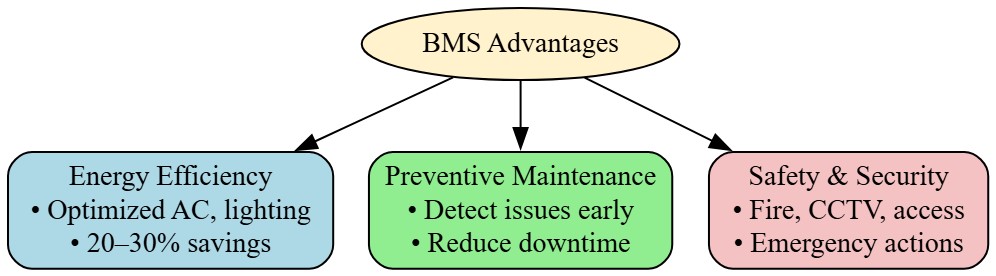
Another benefit is preventive maintenance. The BMS can detect unusual patterns—such as a motor consuming too much power or a chiller running longer than normal—and warn managers before a failure occurs. This reduces downtime and avoids expensive repairs.
Finally, a BMS improves safety and security. It integrates fire alarms, smoke detectors, emergency lighting, CCTV, access control, and elevators. During emergencies, the system can automatically open fire exits, shut down elevators, and guide occupants to safe areas. At its core, a BMS makes buildings not just intelligent, but truly secure.