By Md. Nur Nabi, Senior Civil Engineer (Muspana)
Manhole covers play a vital role in protecting underground utility systems such as drainage, sewerage, water supply, and telecommunication networks. In Bangladesh, especially in urban areas, manhole cover–related problems have become a serious public safety and infrastructure concern due to rapid urbanization, heavy traffic loads, and inadequate maintenance practices.
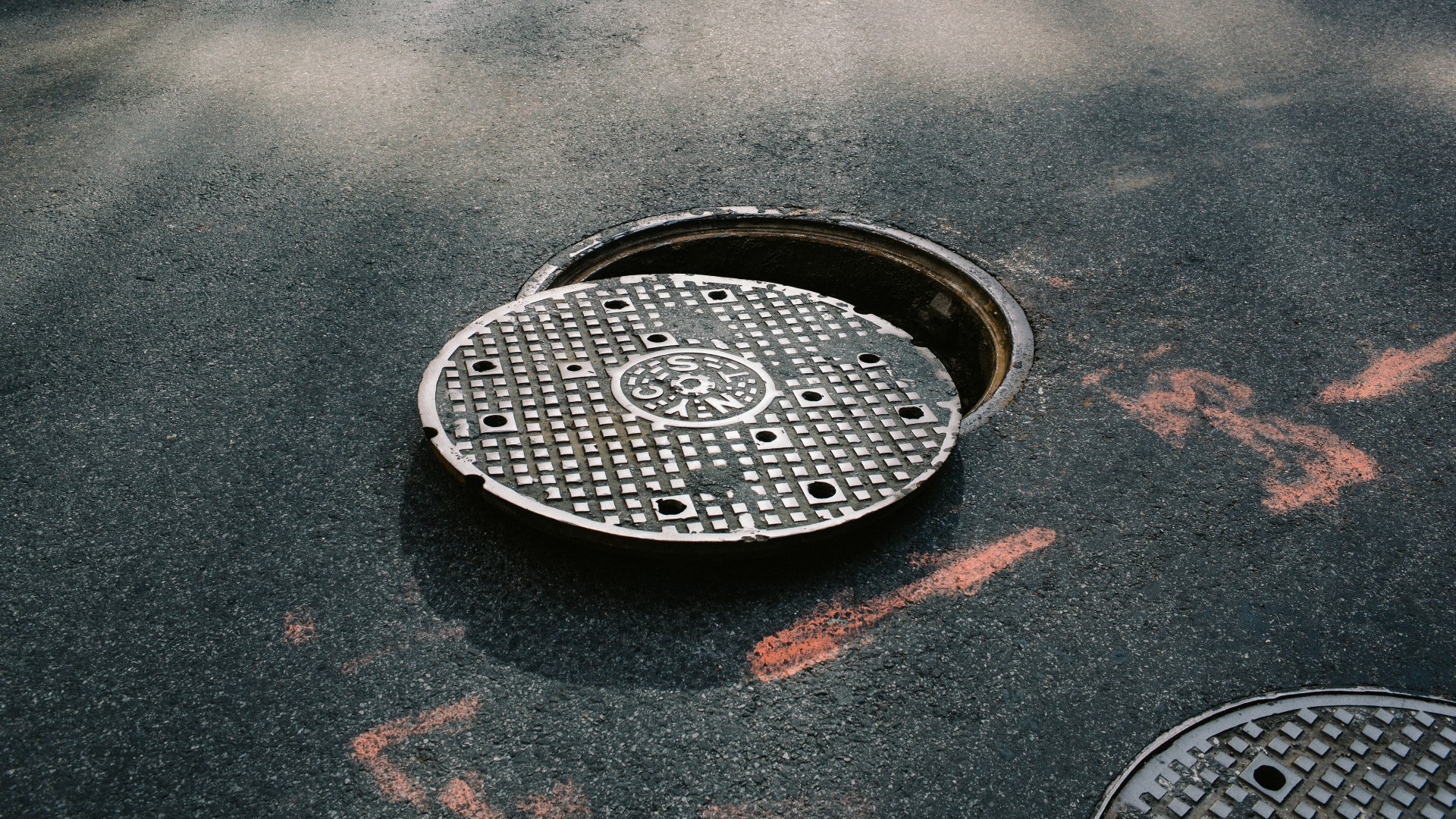
One of the most critical problems is the frequent theft of cast iron manhole covers. Cast iron has high scrap value, which encourages illegal removal and resale. As a result, many manholes remain open for long periods, posing severe risks to pedestrians, cyclists, motorcyclists, and vehicles, particularly at night or during rainfall when visibility is low.
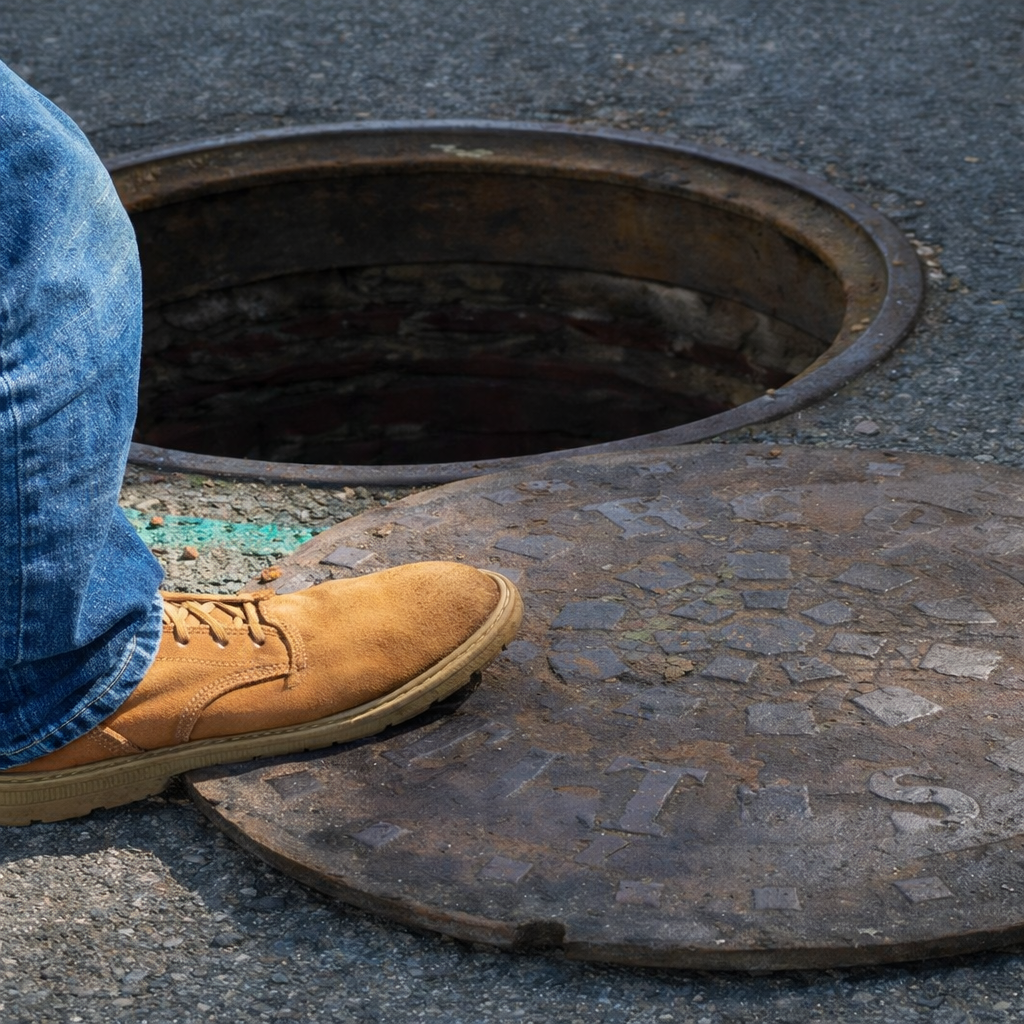
Another major issue is public safety hazards caused by broken, displaced, or missing covers. Every year, numerous accidents occur due to uncovered manholes, leading to injuries and sometimes fatalities. Children, elderly people, and rickshaw pullers are especially vulnerable. These incidents also create negative public perception about city management and governance.
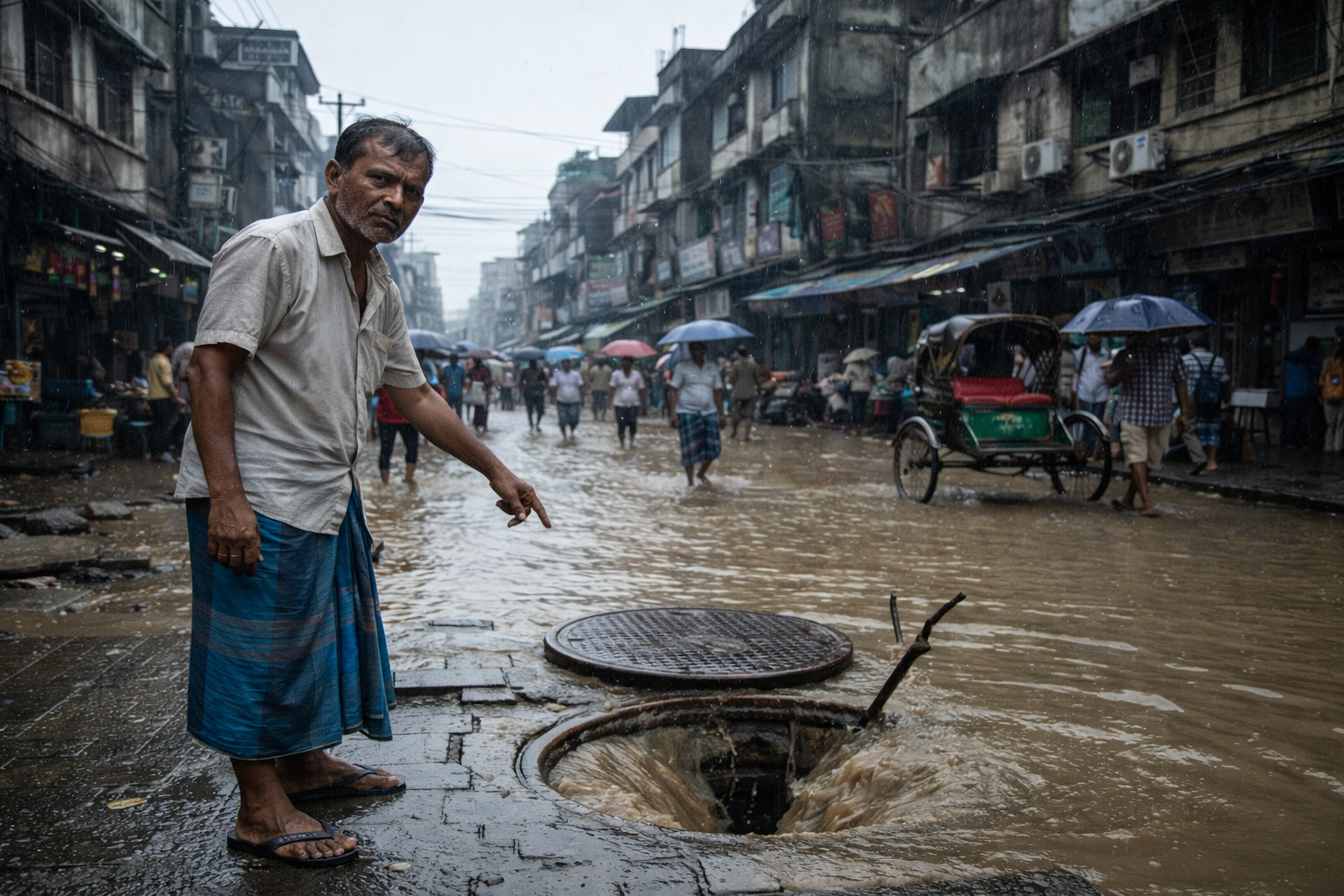
The use of substandard or inappropriate materials is also common. In many cases, low-quality concrete or poorly manufactured cast iron covers are installed to reduce costs. These covers often crack, deform, or collapse under traffic loads, especially on busy roads where heavy vehicles frequently pass. Many covers are not designed according to standard load classifications, making them unsuitable for real road conditions.
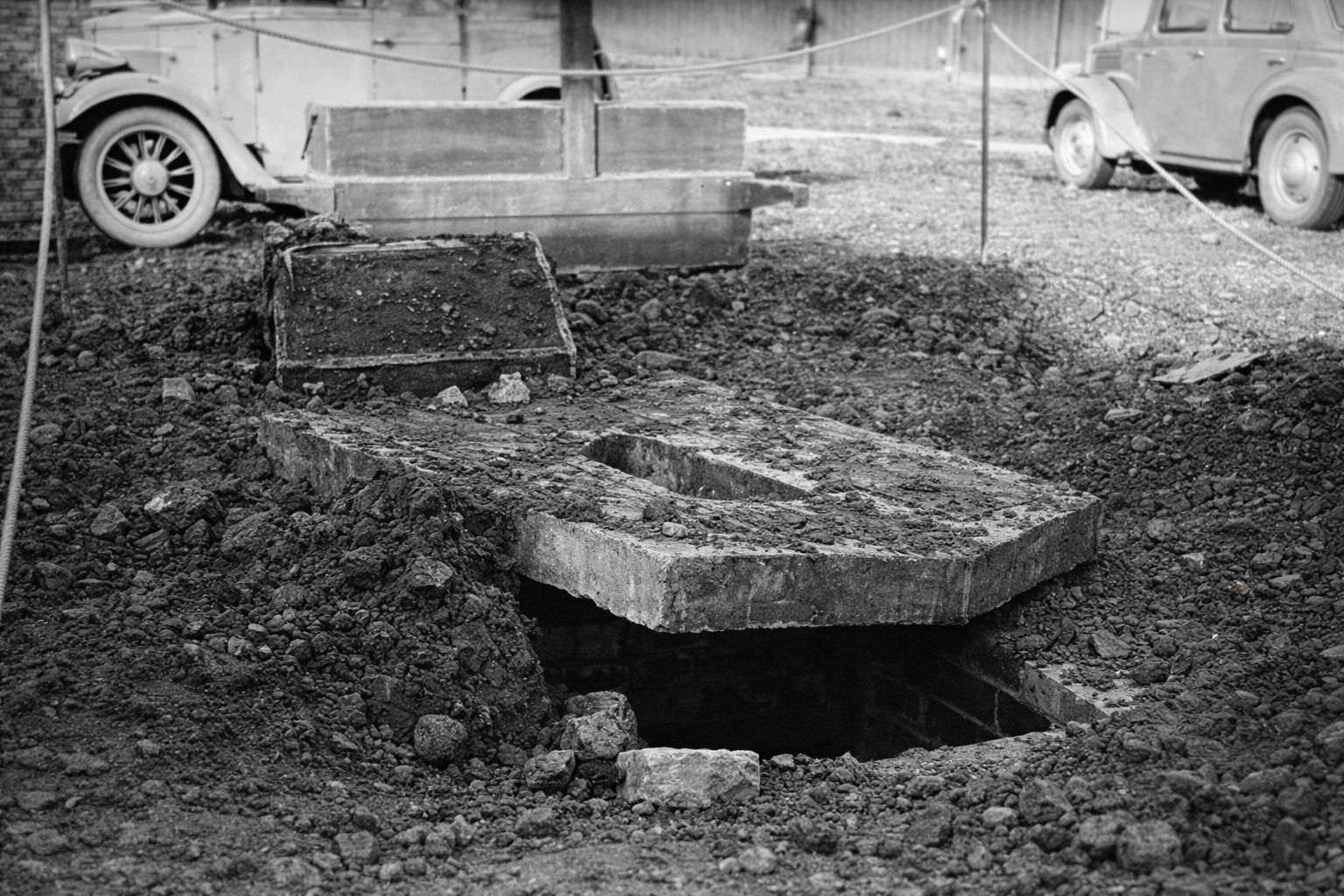
Improper sizing and poor fitting further worsen the situation. Non-standard manhole frames and covers cause looseness, leading to noise, vibration, and eventual damage. Loose covers can shift under vehicle movement, creating sudden hazards and accelerating wear and tear.
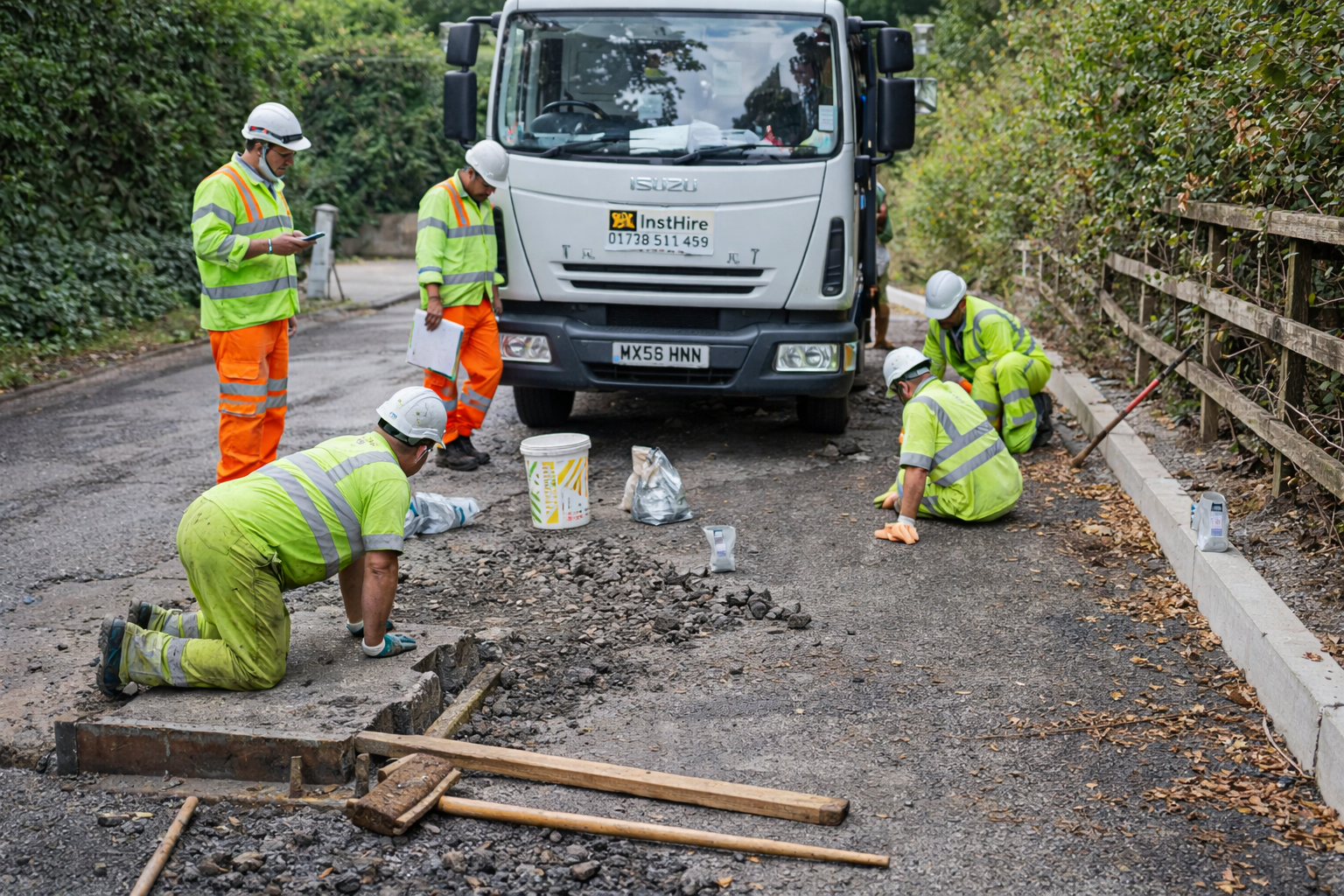
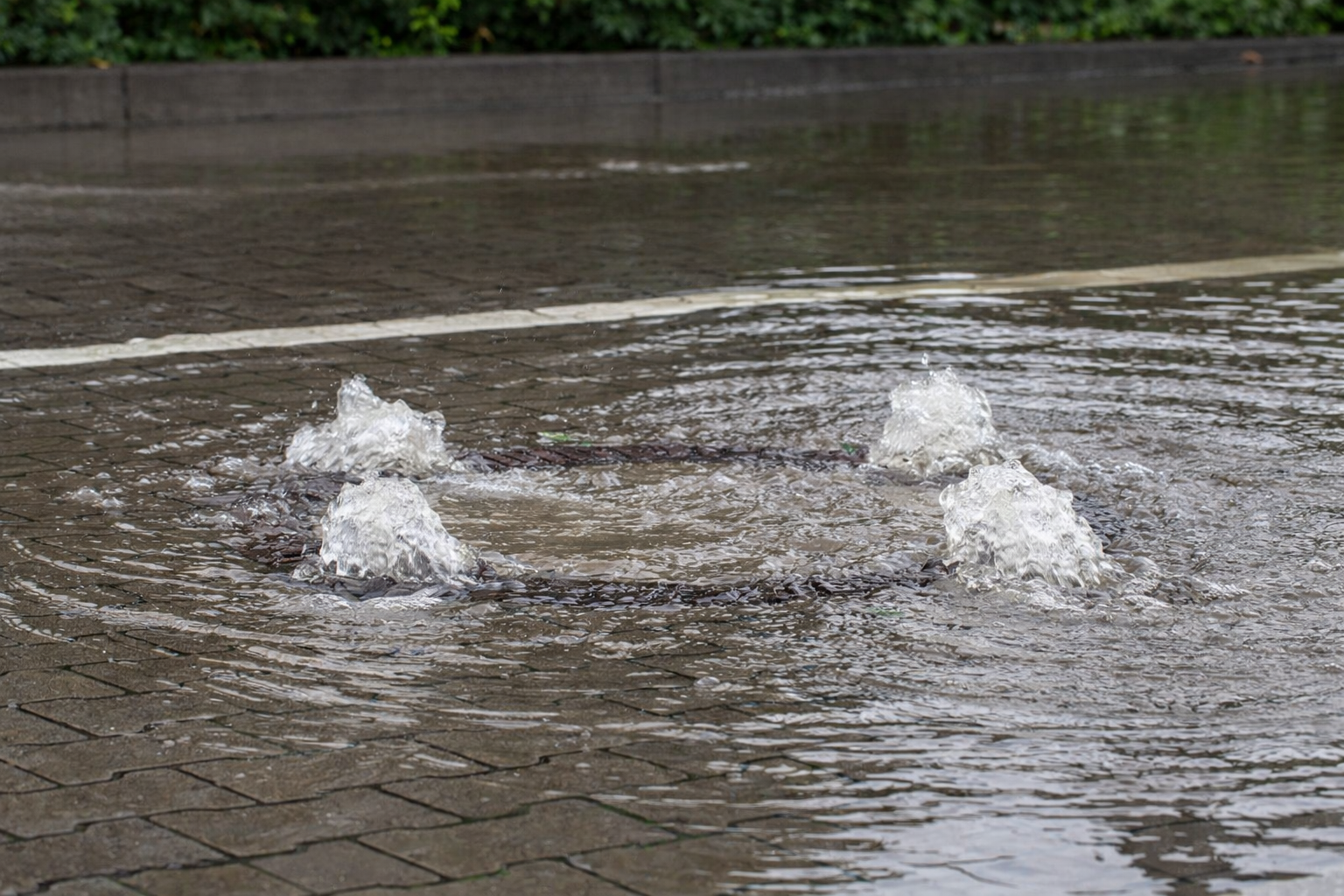
Environmental conditions contribute significantly to deterioration. Corrosion, rusting, and waterlogging are common due to poor drainage and prolonged exposure to wastewater. During the monsoon season, water enters damaged manholes, carrying sand, plastic, and solid waste, which blocks the drainage system and increases urban flooding.
Another underlying problem is the lack of regular inspection and maintenance. Many manholes remain unchecked for years until a failure or accident occurs. Limited budget allocation, weak monitoring, and poor coordination between utility authorities delay repairs and replacements.

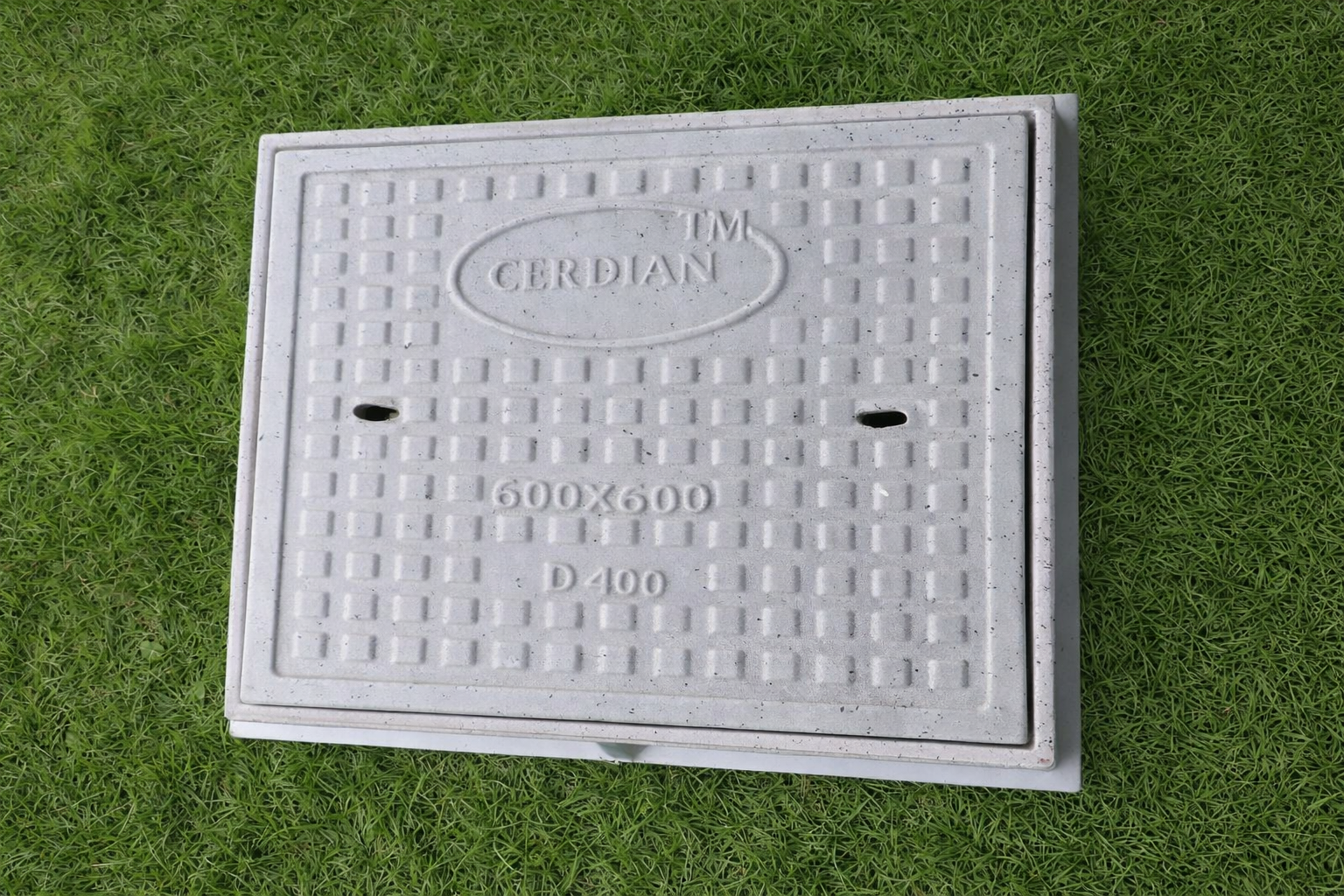
Finally, Bangladesh still relies heavily on traditional manhole cover materials, with limited adoption of modern alternatives such as FRP or fiber composite covers. These newer materials are lightweight, corrosion-resistant, non-theft, and safer, but their use remains minimal due to lack of awareness and standardization.
In conclusion, manhole cover problems in Bangladesh stem from material theft, poor quality, inadequate design, environmental exposure, and weak maintenance systems. Addressing these challenges requires proper material selection, standardized design, routine inspection, and the adoption of modern, non-theft solutions to ensure public safety and sustainable urban infrastructure.