By Bishawjit Mistry Sagar, Engineer , Operation (Muspana)
As Bangladesh faces rising electricity demand, increasing energy costs, and growing environmental concerns, the shift toward renewable energy has become more important than ever. In this context, net metering has emerged as a practical, modern, and sustainable solution that allows consumers to generate their own electricity while remaining connected to the national grid.
Net metering is not just a technology. It represents a smarter way of thinking about energy usage, cost savings, and environmental responsibility.
What Is Net Metering?
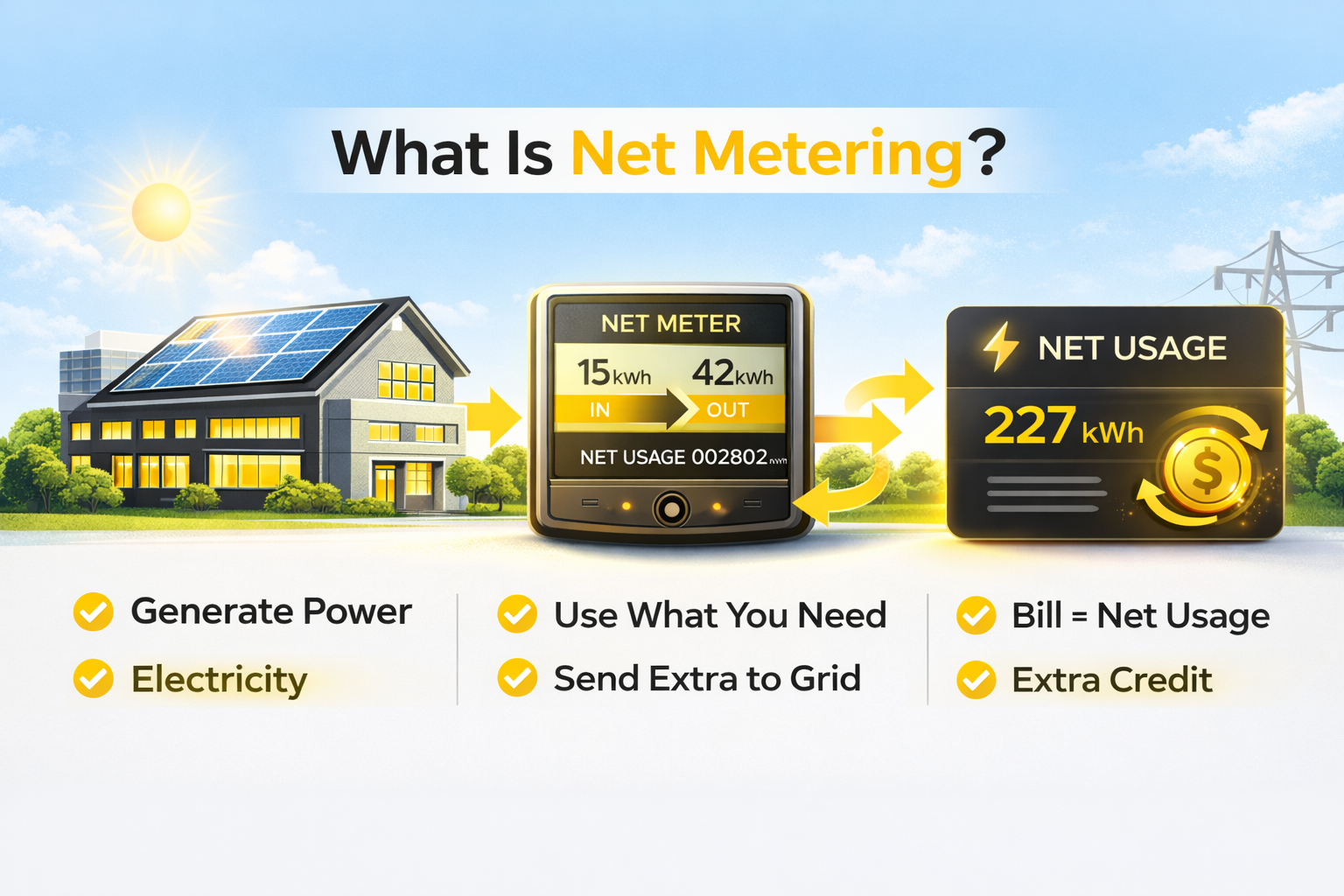
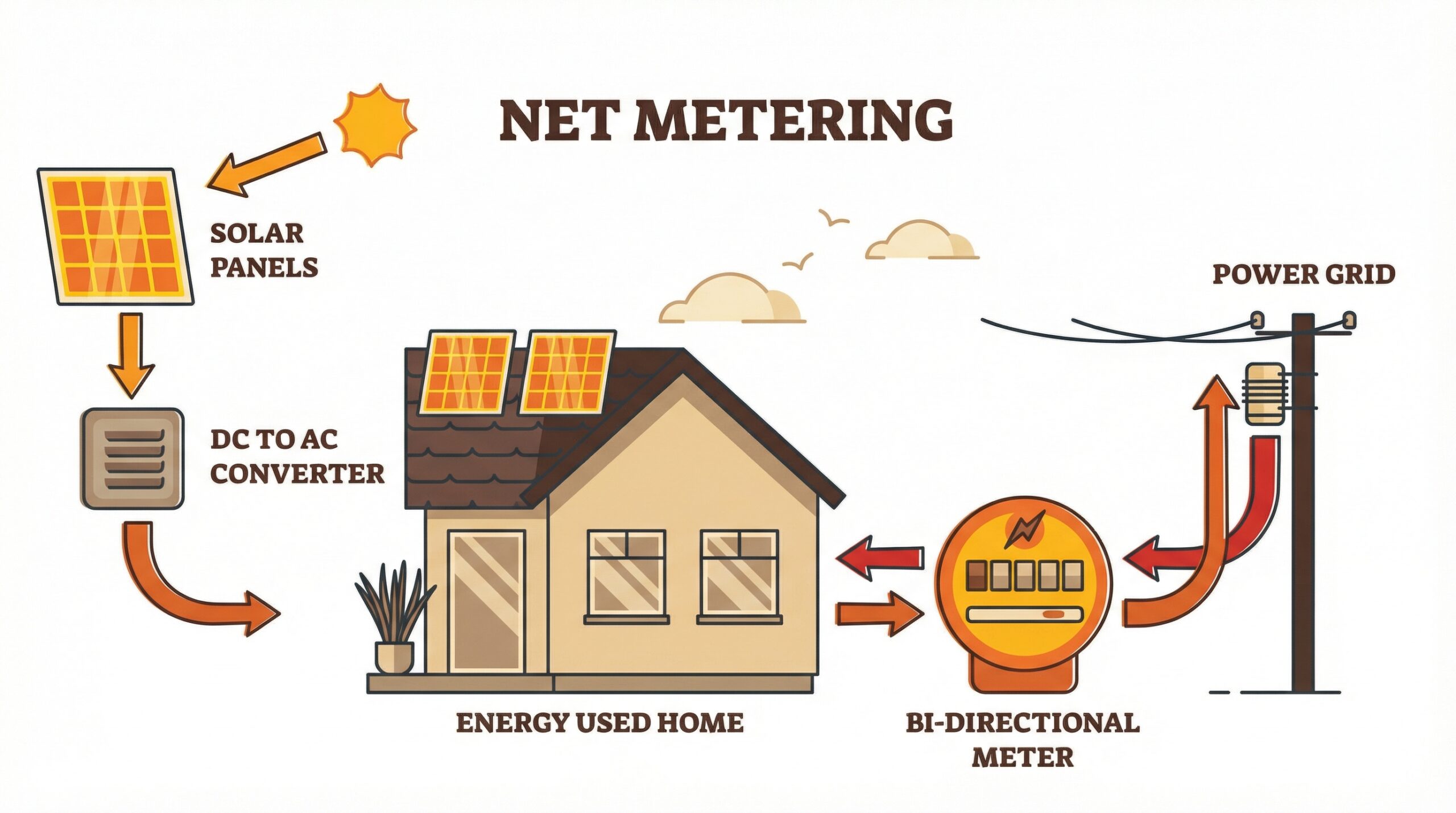
Net metering is a system that allows consumers to generate electricity using solar panels installed on rooftops and use that power for their own needs. Any excess electricity produced is automatically fed back into the national grid.
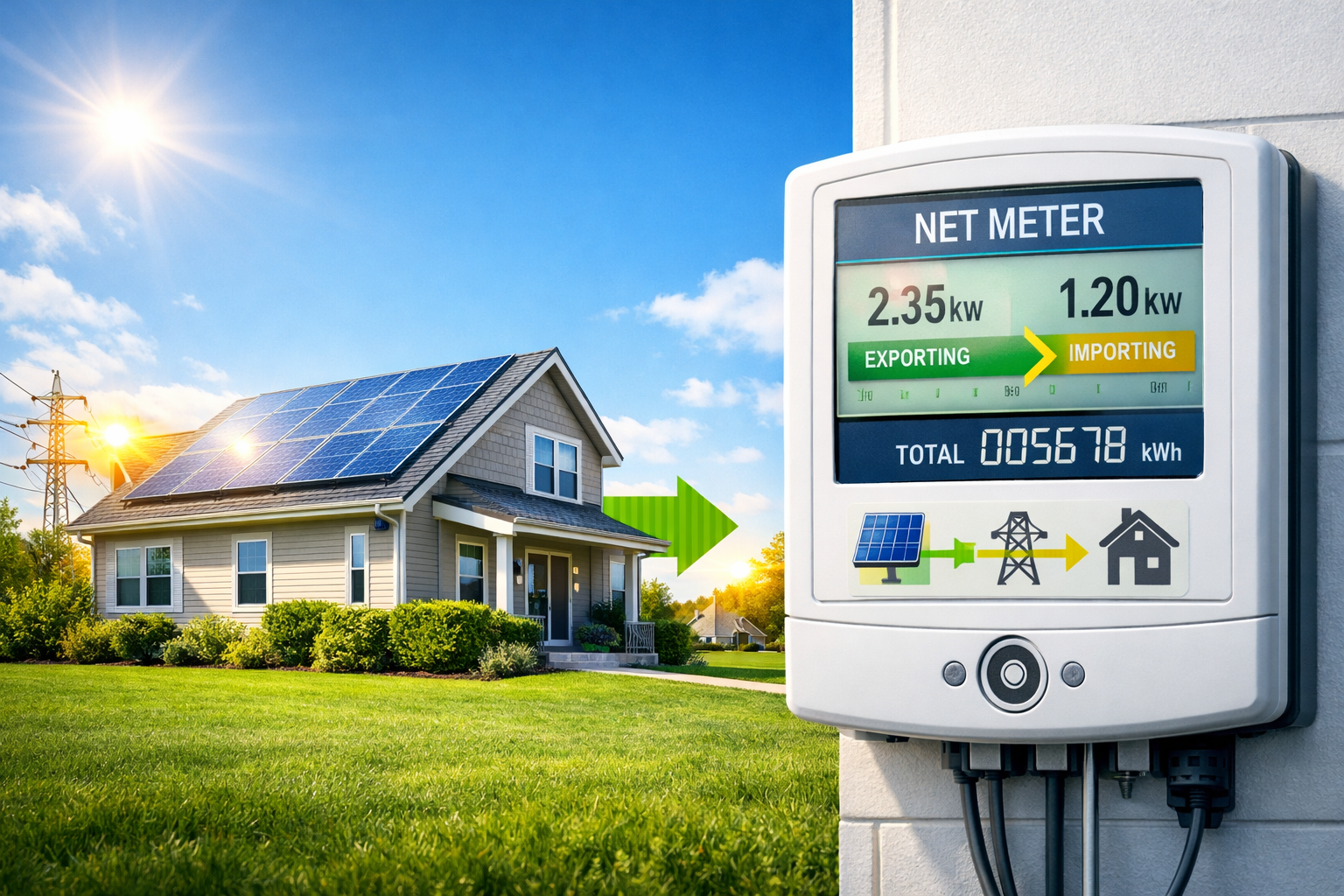
A bi-directional net meter measures both:
Electricity consumed from the grid, and
Electricity exported to the grid
At the end of the billing cycle, consumers are billed only for the net electricity used. If more energy is exported than consumed, the extra units are carried forward as credits for future bills.
How Does Net Metering Work?
A typical net metering system consists of three main components:
Solar Panel and Inverter System
Solar panels generate electricity during daylight hours, which is converted into usable AC power by an inverter.
Net Meter (Bi-Directional Meter)
The net meter records both imported and exported electricity units.
National Power Grid
Excess energy flows into the grid during the day, while power is drawn from the grid at night or during cloudy periods.
During the day, solar energy first meets the consumer’s own demand. Any surplus electricity is automatically exported to the grid. At night or when solar generation is low, electricity is drawn from the grid as usual.
Key Benefits of Net Metering
1. Significant Electricity Bill Savings
Net metering can drastically reduce monthly electricity bills by offsetting grid consumption with self-generated solar power.
2. No Wastage of Excess Solar Power
Unlike standalone solar systems, excess electricity is not wasted. It is exported to the grid and credited.
3. Environmentally Friendly Solution
Solar energy is clean and renewable. Net metering reduces carbon emissions and supports Bangladesh’s climate goals.
4. Reduced Pressure on the National Grid
Decentralized power generation helps stabilize the grid and improves overall energy reliability.
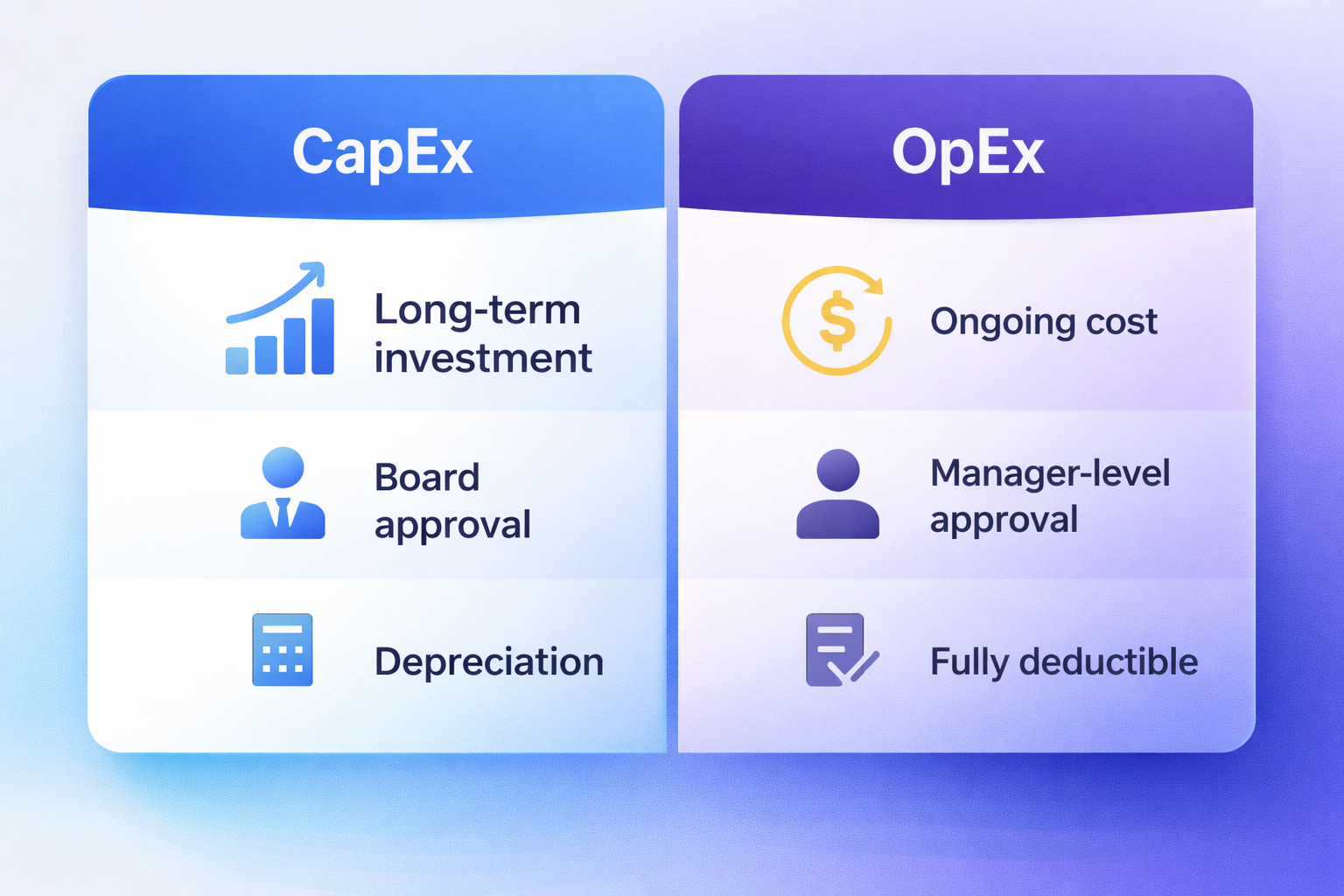
CAPEX vs OPEX Models in Net Metering
CAPEX Model
The consumer invests fully in installing the solar system. While the initial cost is higher, this model offers the highest long-term savings.
OPEX Model
A third-party investor installs and maintains the system. Consumers pay only for the electricity used, without upfront investment. This model is ideal for factories and large commercial buildings.
Importance of Net Metering in Bangladesh
With limited land availability and growing electricity demand, rooftop solar combined with net metering is one of the most practical solutions for Bangladesh. The government has already issued guidelines allowing residential, commercial, and industrial consumers to adopt net metering systems.
This makes net metering a reliable pathway toward energy independence, cost control, and sustainability.
Muspana’s Role in Net Metering Solutions
At Muspana, we provide end-to-end net metering solutions, including system design, installation, grid approval support, and maintenance. With proper planning, quality components, and skilled execution, net metering becomes not just an energy solution, but a long-term investment in a sustainable future.
Conclusion
Net metering is more than a technical setup. It is a forward-looking approach that transforms consumers into energy producers, reduces electricity costs, protects the environment, and strengthens the national grid. With the right partner and proper implementation, net metering can play a vital role in building a cleaner, smarter, and more resilient energy future for Bangladesh.