– By Rudmila Rahman, System Engineer (Muspana)
Rapid urbanization and increasing water use have made wastewater management a major challenge, especially in growing cities. Sewage Treatment Plants (STPs) provide an effective solution by protecting public health, safeguarding the environment, and converting wastewater into a reusable resource. In today’s article, we will discuss what an STP is, why it is essential, and how untreated sewage impacts water bodies—laying the foundation for understanding the importance of wastewater treatment.
What is an STP?
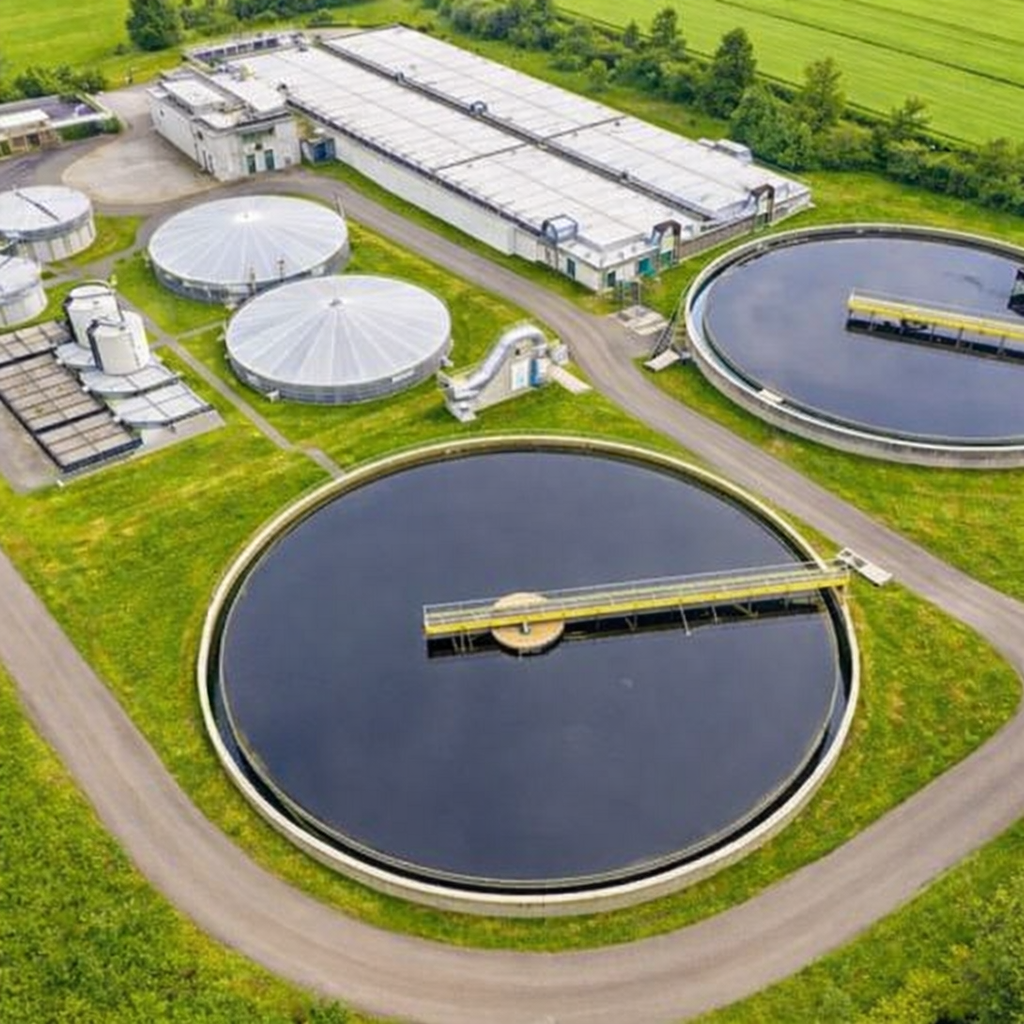
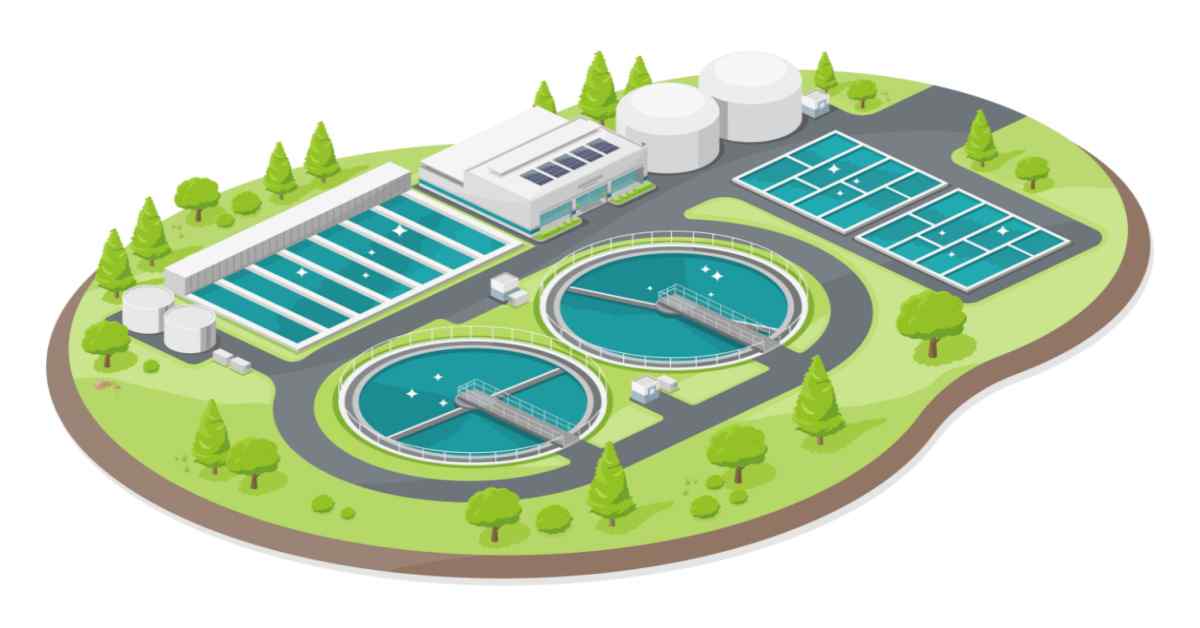
–STP stands for Sewage Treatment Plant.
It is a system or facility designed to treat wastewater generated from:
- Toilets
- Bathrooms
- Kitchens
- Laundry and washing areas
- Offices, industries, and institutions
This wastewater contains:
- Organic matter (human waste, food residue)
- Chemicals (detergents, soaps)
- Pathogens (bacteria, viruses)
- Solids (sand, plastics, debris)
The primary objective of an STP is to remove these contaminants and produce treated water that is safe for discharge into the environment or suitable for reuse (such as gardening, flushing, or industrial cooling).
Why Is an STP Used?
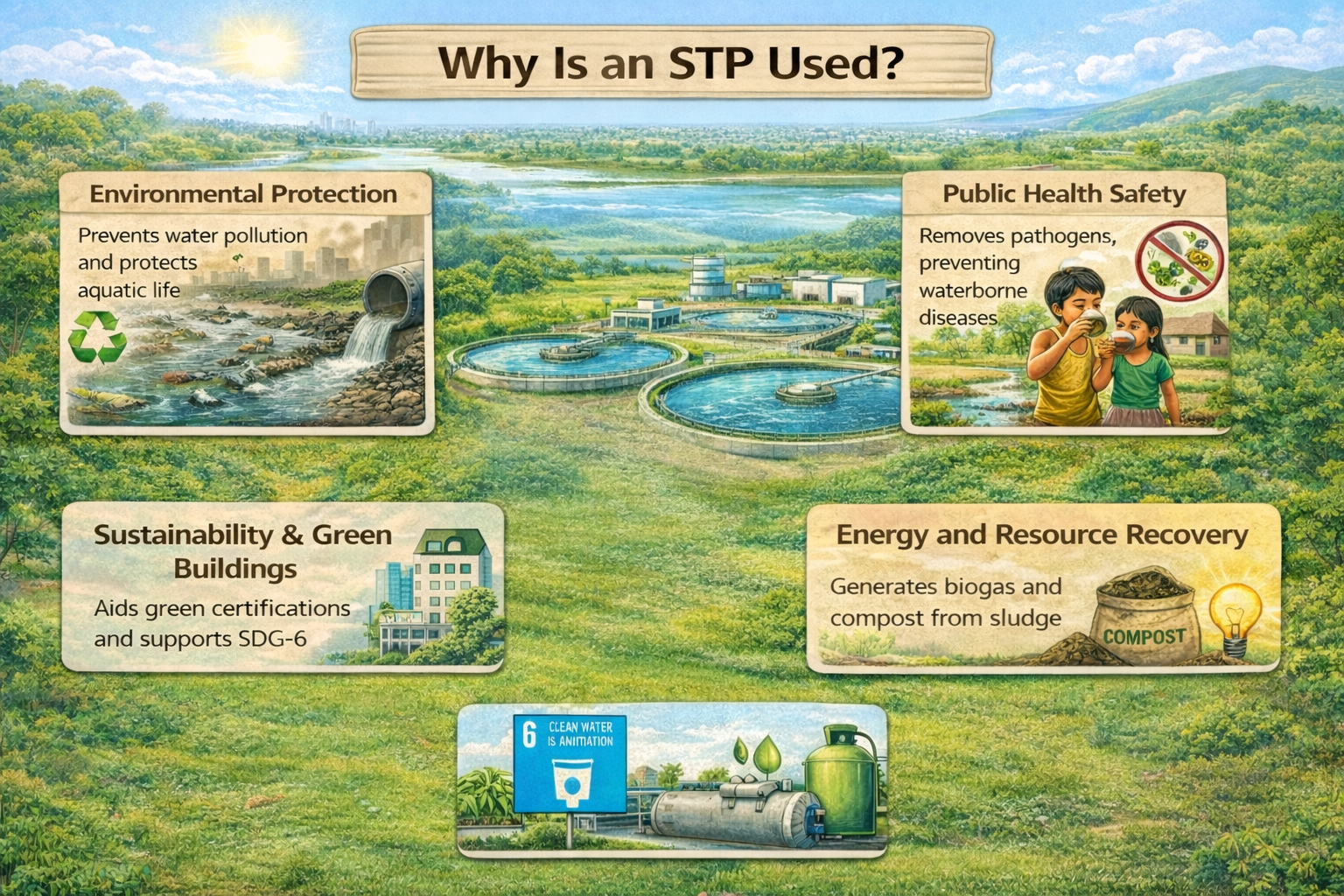
- Environmental Protection
Untreated sewage discharged into rivers or lakes depletes oxygen, kills aquatic life, and permanently damages ecosystems. STPs prevent this pollution by treating wastewater before release.
- Public Health Safety
Wastewater carries disease-causing microorganisms. If it contaminates drinking water sources, it can cause outbreaks of cholera, typhoid, dysentery, and hepatitis. STPs remove or neutralize these pathogens.
- Water Reuse and Conservation
STPs allow treated water to be reused for:
- Toilet flushing
- Landscaping and gardening
- Car washing
- Cooling towers in industries
This significantly reduces dependency on fresh groundwater and municipal supply.
- Regulatory Compliance
Most countries mandate wastewater treatment before discharge. In Bangladesh, the Department of Environment (DoE) enforces these regulations for residential, commercial, and industrial facilities.
- Sustainability and Green Buildings
Modern buildings use STPs as part of sustainability initiatives, supporting SDG-6: Clean Water and Sanitation, and achieving green certifications.
- Energy and Resource Recovery
Sludge produced in STPs can generate:
- Biogas (methane) for electricity or heating
- Compost/manure for agriculture
Thus, STPs convert waste into valuable resources.
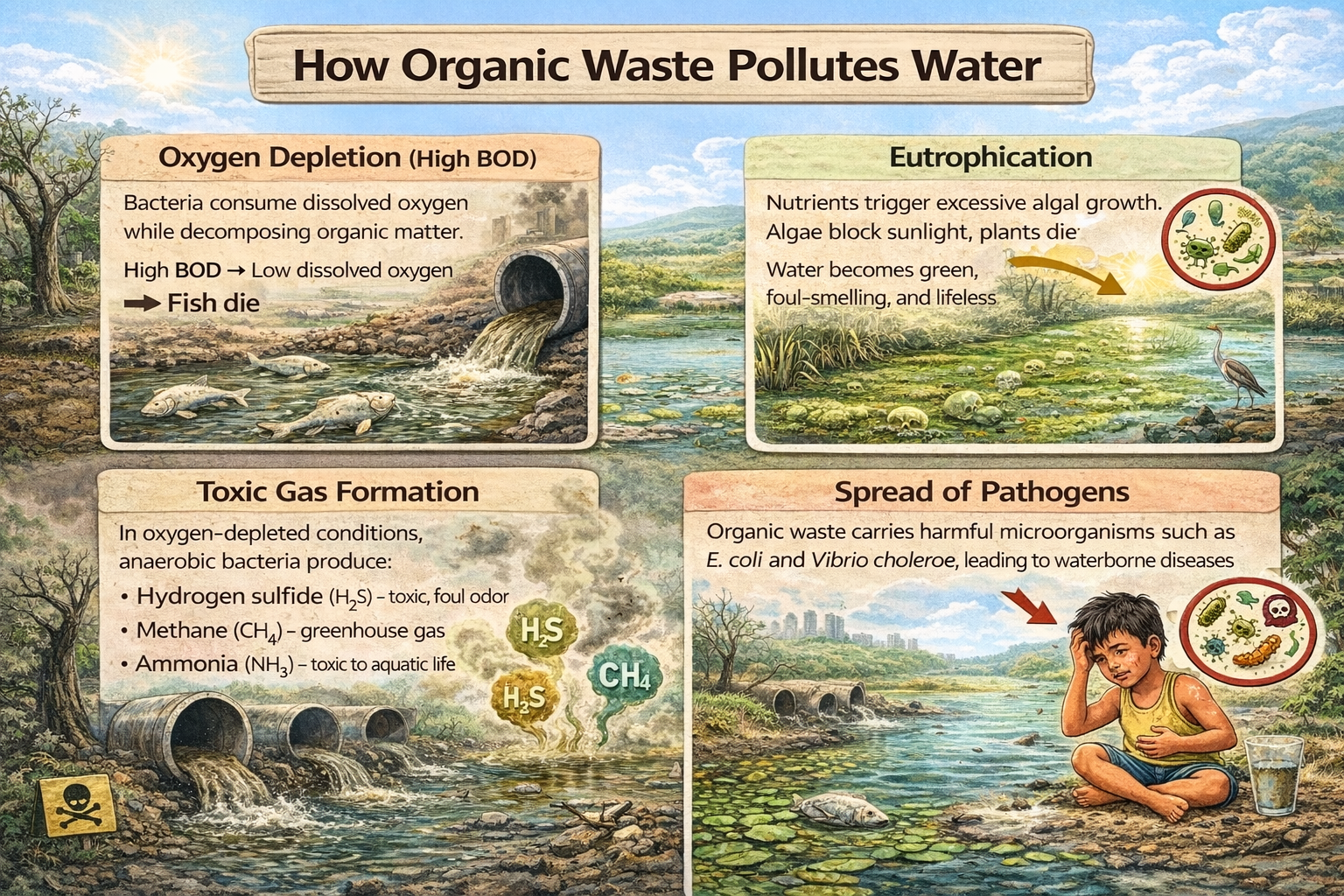
How Organic Waste Pollutes Water
Organic waste may appear harmless, but in large quantities it severely degrades water quality.
- Oxygen Depletion (High BOD)
Bacteria consume dissolved oxygen while decomposing organic matter.
- High organic load → High BOD (Biochemical Oxygen Demand)
- Low dissolved oxygen → Fish and aquatic organisms die
- Eutrophication
Nutrients like nitrogen and phosphorus trigger excessive algal growth:
- Algae block sunlight
- Plants die
- Decomposition consumes oxygen
- Water becomes green, foul-smelling, and lifeless
- Toxic Gas Formation
In oxygen-depleted conditions, anaerobic bacteria produce:
- Hydrogen sulfide (H₂S) – toxic, foul odor
- Methane (CH₄) – greenhouse gas
- Ammonia (NH₃) – toxic to aquatic life
- Spread of Pathogens
Organic waste carries harmful microorganisms such as E. coli and Vibrio cholerae, leading to waterborne diseases.
To conclude, Sewage Treatment Plants are not just technical facilities—they are essential safeguards for public health, environmental protection, and sustainable urban living. In today’s article, we discussed the basic concept of STPs and why they are so important. In our next article, we will dive deeper into how an STP actually works, exploring the treatment processes and technologies that turn wastewater into a valuable resource.