By Anik Majumdar, Assistant Manager, Project Management (Muspana)
What is a Cable?
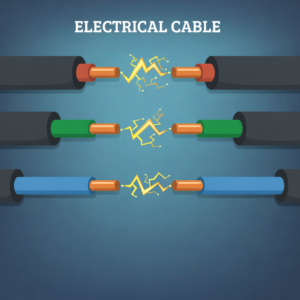
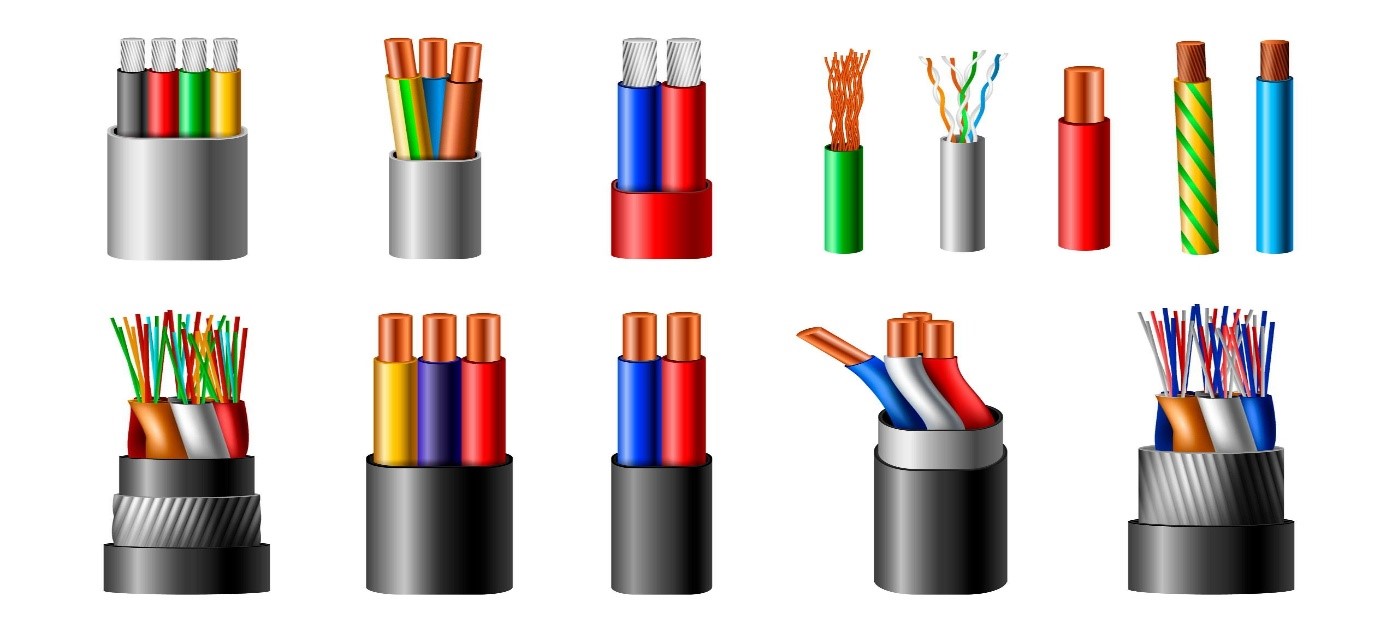
A cable is an electrical component used to transmit electrical power or signals from one point to another safely and reliably. This kind of cable is made of one or more conductors covered with insulation and protective layers to prevent electric shock, short circuit, and mechanical damage.
In the following sections, we will take a closer look at commonly used building wires—specifically BYA and BYM cables—and understand their construction, characteristics, and typical applications.
BYA Cable (PVC Insulated, Single Core – Solid)
Typical Use: Concealed wiring and conduit wiring
What is BYA Cable?
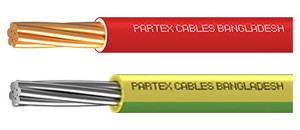
BYA cable is a single-core, solid conductor, PVC-insulated electrical wire mainly used for fixed internal wiring in buildings. It is commonly applied in conduit wiring systems for residential, commercial, and government buildings.
Full Form & Meaning
-
B → Building wire
-
Y → PVC insulation
-
A → Solid conductor (single strand)
Standard BYA Cable Sizes and Their Uses
|
Size (Dia / Area) |
Common Name |
Typical Use |
|
1.0 sq.mm |
BYA 1.0 |
Switch control, signal |
|
1.5 sq.mm |
BYA 1.5 |
Light, fan point |
|
2.5 sq.mm |
BYA 2.5 |
Socket (5–10A) |
|
4.0 sq.mm |
BYA 4.0 |
AC point, small heater |
|
6.0 sq.mm |
BYA 6.0 |
Main line (single phase) |
Why Choose BYA Cable?
-
Strong conductor with low voltage drops
-
Ideal for fixed wiring inside conduit systems
Construction of BYA Cable
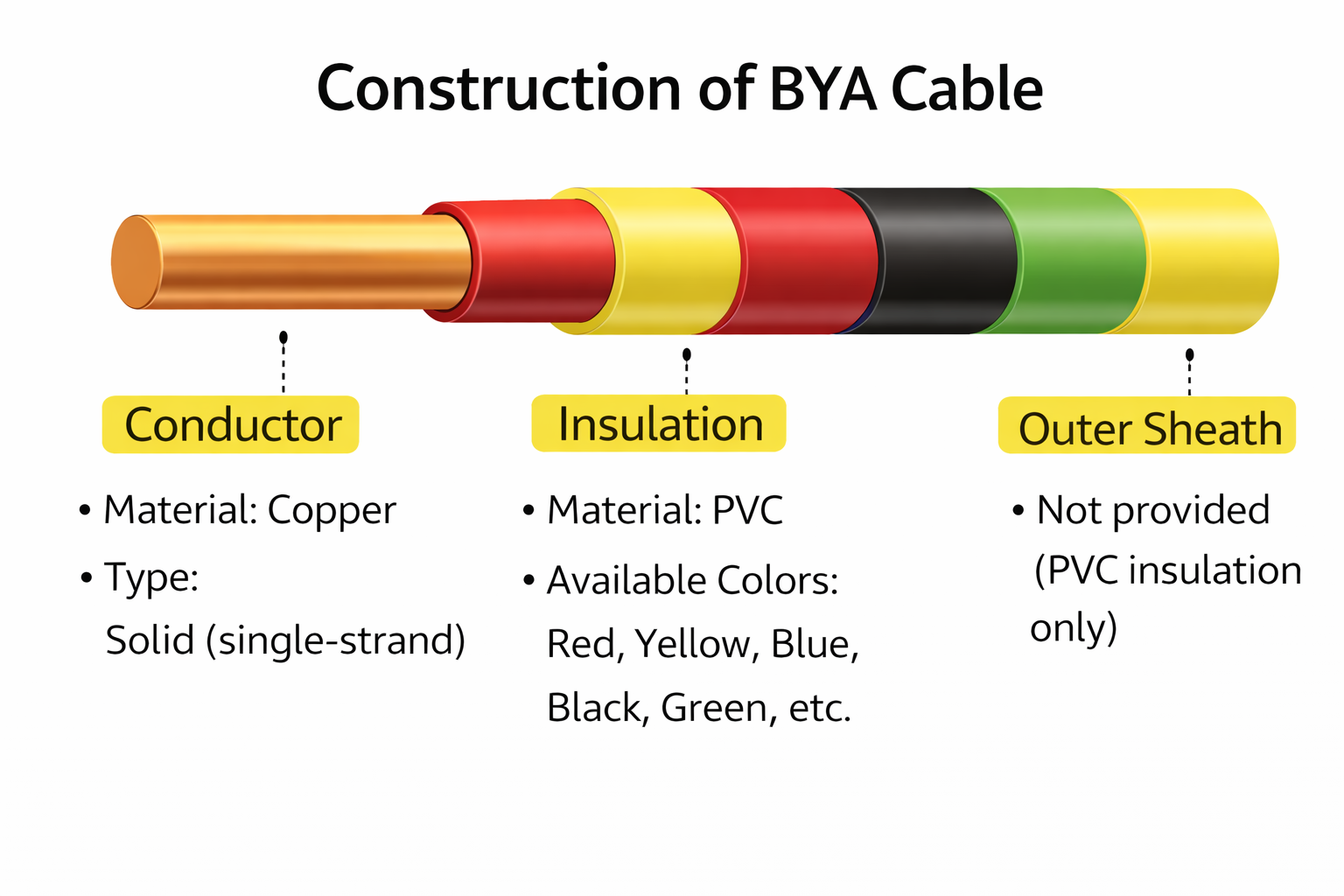
1. Conductor
-
Material: Copper
-
Type: Solid (single- strand)
2. Insulation
-
Material: PVC
-
Available Colors: Red, Yellow, Blue, Black, Green, etc.
3. Outer Sheath
-
Not provided (PVC insulation only)
BYM Cable (PVC Insulated, Single Core – Multi-Strand & Flexible)
What is BYM Cable?
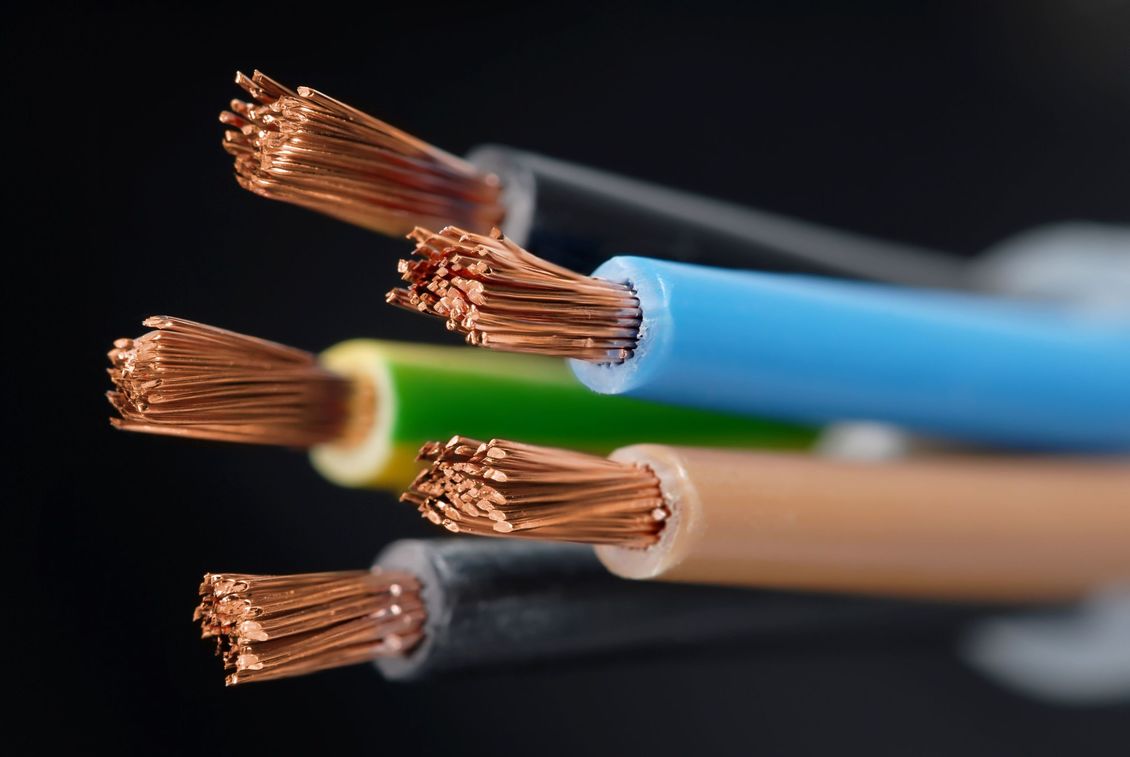
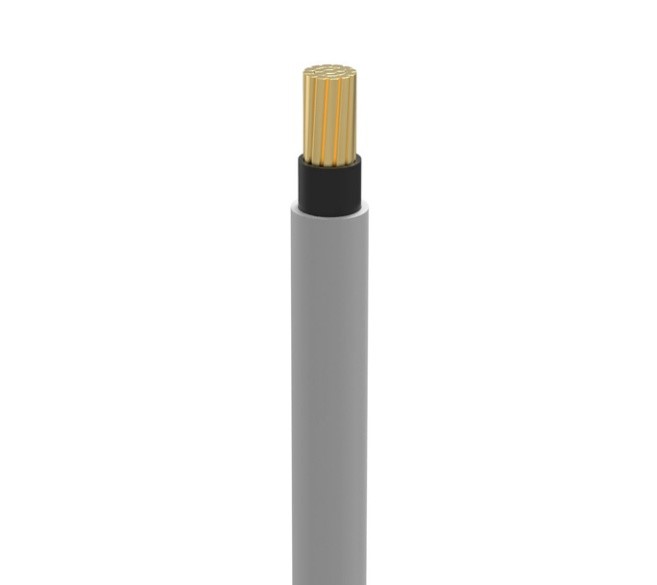
BYM cable is a single-core, multi-stranded (flexible) copper conductor, PVC-insulated electrical wire. It is mainly used for panel wiring, flexible connections, and electrical installations where a certain level of flexibility is required.
Unlike BYA cable, which has a solid and rigid conductor, BYM cable features a flexible multi-strand conductor, making it suitable for applications where bending and easy termination are necessary.
Typical Use: Flexible wiring, panel internal wiring, and building wiring
Full Form & Meaning
-
B → Building wire
-
Y → PVC insulation
-
M → Multi-Strand conductor
Standard BYM Cable Sizes and Their Uses
|
Size (Dia / Area) |
Common Name | Typical Use |
|
1.0 sq.mm |
BYM 1.0 | Control wiring |
|
1.5 sq.mm |
BYM 1.5 |
Light circuit |
|
2.5 sq.mm |
BYM 2.5 |
Socket circuit |
|
4.0 sq.mm |
BYM 4.0 |
AC / motor |
| 6.0 sq.mm | BYM 6.0 |
Main feeder |
Why Choose BYM Cable?
-
Flexible conductor suitable for dynamic wiring needs
-
Allows easy termination inside distribution boards (DB), panels, and wiring systems
Construction of BYM Cable
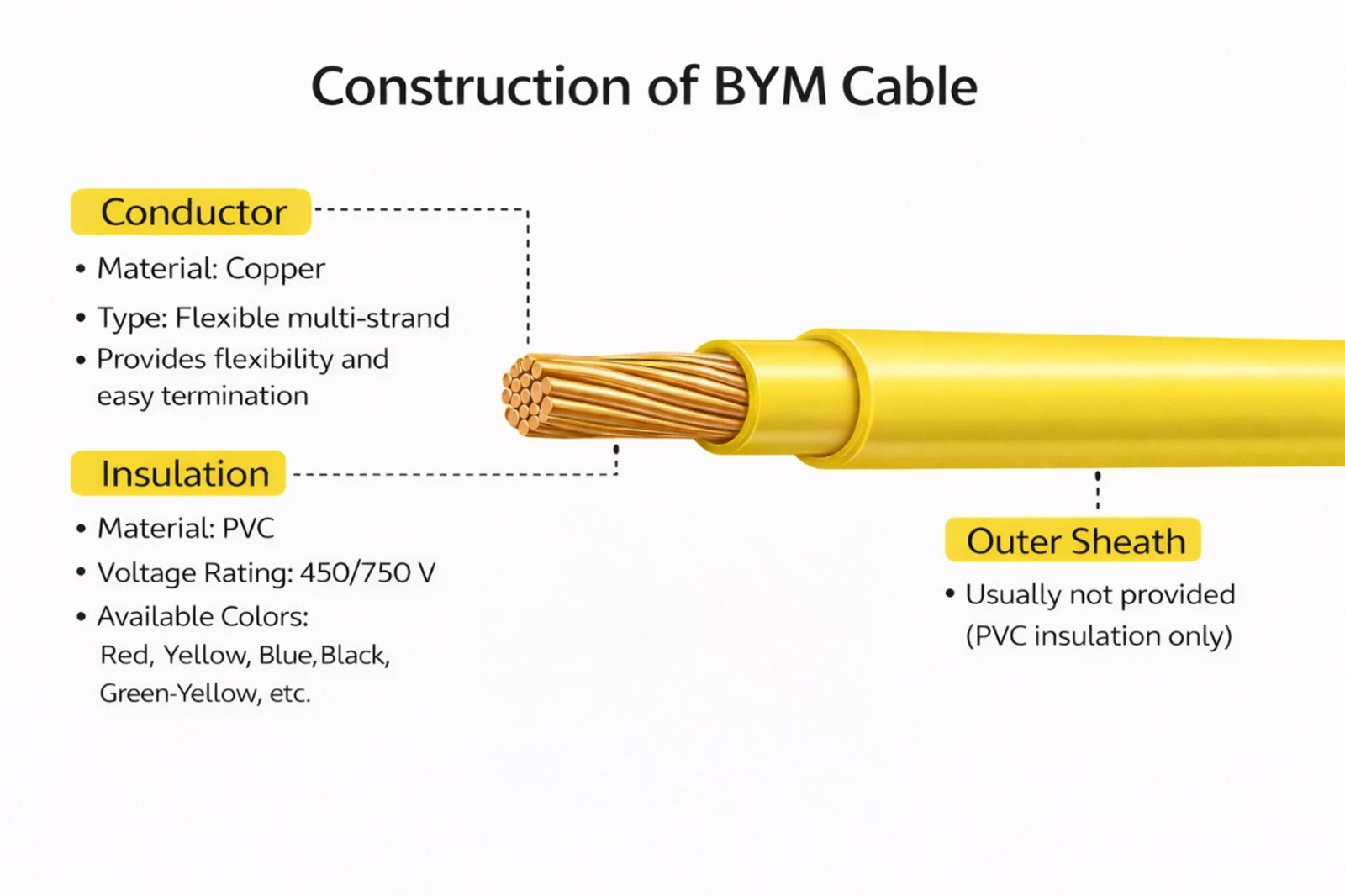
1. Conductor
-
Material: Copper
-
Type: Flexible multi-strand
-
Feature: Provides flexibility and easy termination
2. Insulation
-
Material: PVC
-
Voltage Rating: 450/750 V
-
Available Colors: Red, Yellow, Blue, Black, Green Yellow, etc.
3. Outer Sheath
-
Usually not provided (PVC insulation only)
In brief, BYA and BYM cables are essential building wires designed for different wiring needs. BYA cable, with its solid conductor, is ideal for fixed and concealed installations, while BYM cable, featuring a flexible multi-strand conductor, is better suited for panel wiring and applications requiring flexibility. Selecting the appropriate cable type based on installation requirements ensures safety, reliability, and long-term performance in electrical systems.