By Md. Montasir Mamun, Engineer (Muspana)
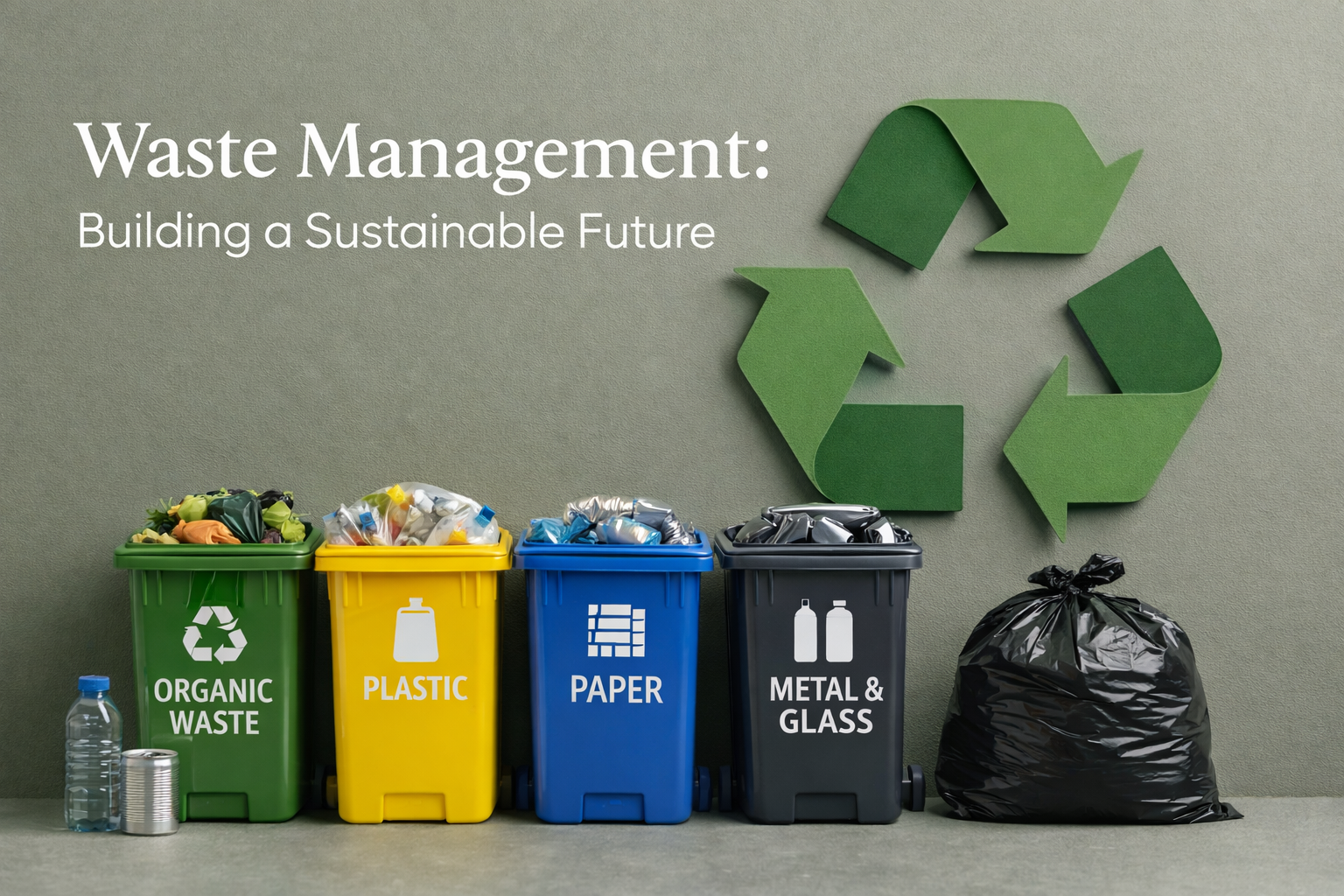
Every day, our cities generate enormous amounts of waste. From household food scraps to industrial by-products, waste is an unavoidable part of modern life. How we manage this waste determines not only the cleanliness of our surroundings but also the health of our people and the sustainability of our future.
Waste management refers to the systematic process of collecting, transporting, treating, recycling, and safely disposing of waste materials. Its primary goal is to minimize negative impacts on human health and the environment while conserving valuable natural resources.
The Waste Management Hierarchy: A Smarter Approach
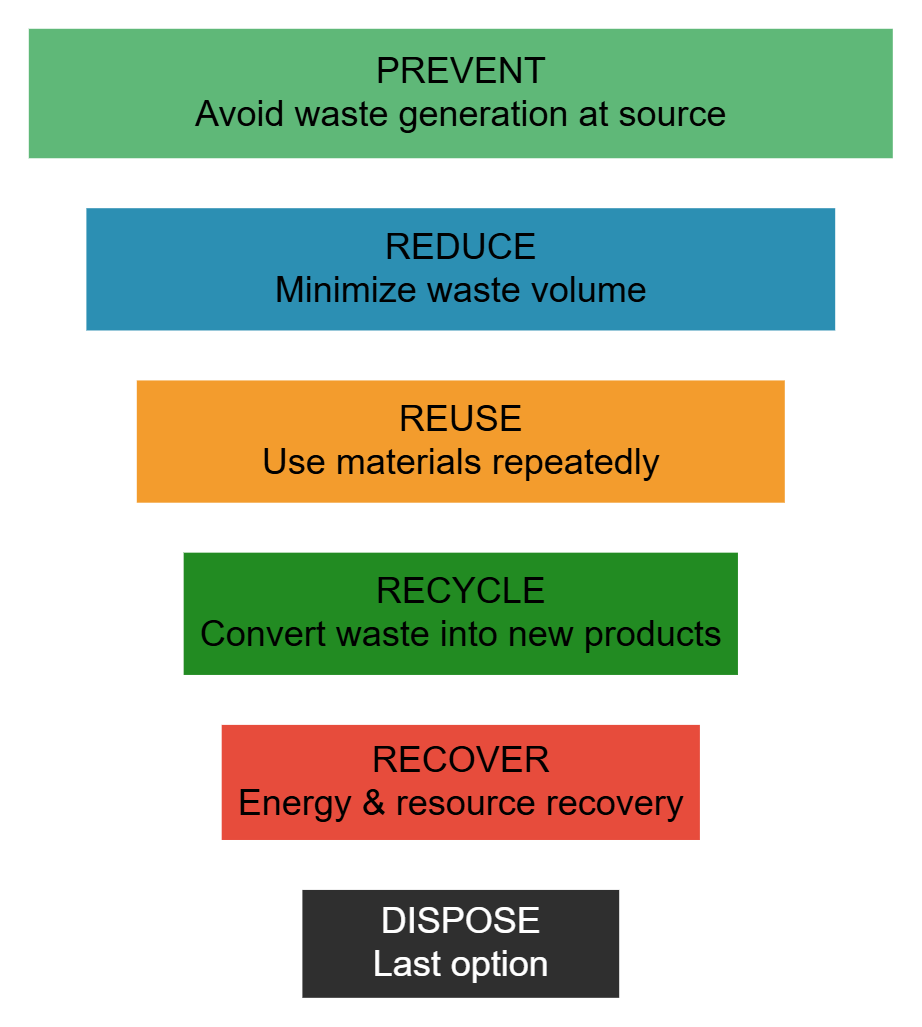
Effective waste management follows a structured priority known as the waste management hierarchy. At the top is waste reduction, followed by reuse, recycling, recovery, and finally disposal as the last option. This hierarchy encourages societies to reduce waste at its source and extract maximum value from materials before sending them to landfills.
Understanding Different Types of Waste
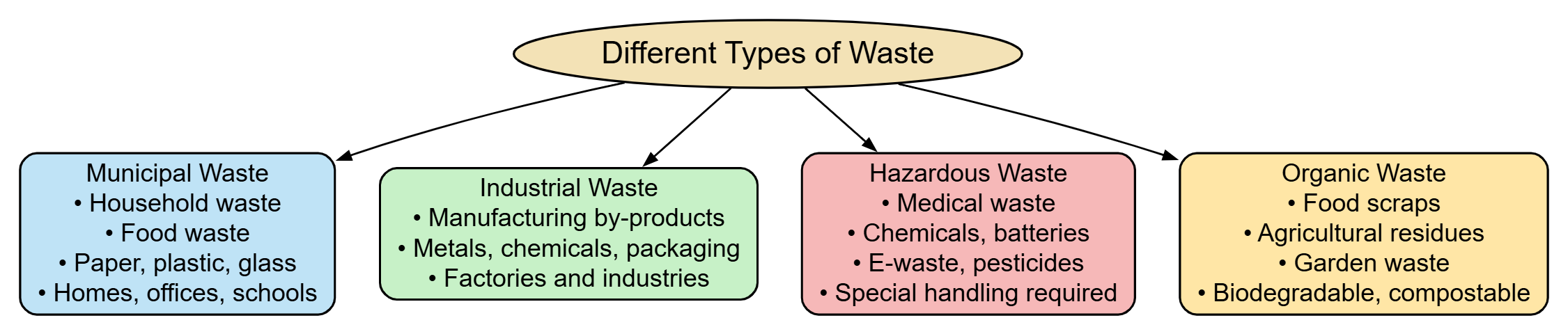
Waste is not all the same. Municipal waste includes household refuse, food waste, paper, plastics, and glass generated from homes, schools, offices, and public spaces. Industrial waste comes from factories and manufacturing processes and may include metals, chemicals, and packaging materials. Some industrial waste can be hazardous if not handled properly.
Hazardous waste, such as medical waste, batteries, chemicals, pesticides, and electronic waste, requires special handling due to its toxic or reactive nature. Meanwhile, organic waste, including food scraps and agricultural residues, is biodegradable and can be transformed into compost, turning waste into a valuable resource for soil enrichment.
From Collection to Treatment
Waste management begins with proper collection and transportation. Segregating waste at the source makes recycling and composting more efficient and reduces health risks. Covered vehicles and planned transport routes help prevent pollution, odor, and disease during waste movement.
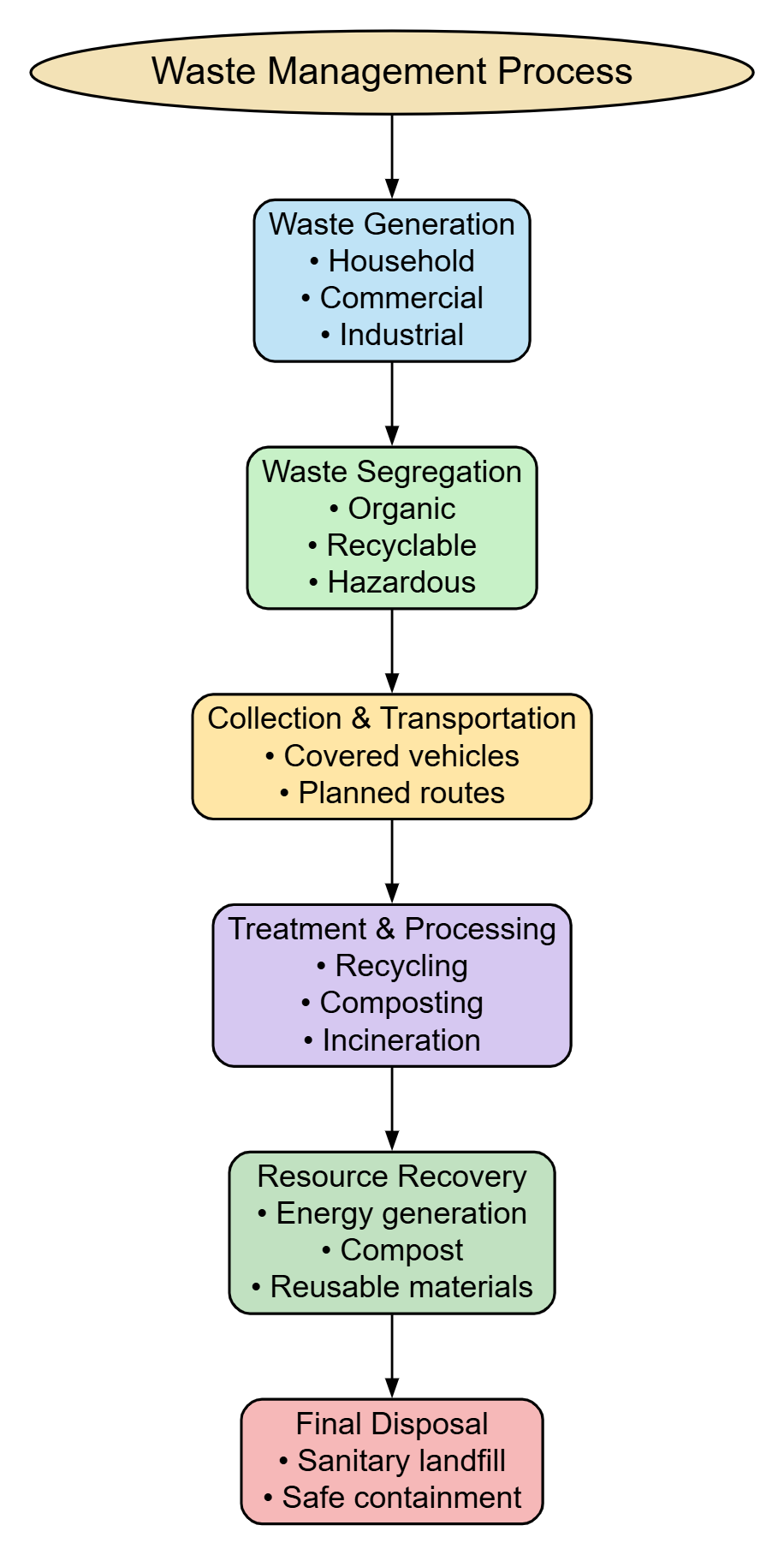
Once collected, waste is treated using different methods. Recycling converts materials like paper, plastic, glass, and metal into new products, saving energy and raw materials. Composting naturally processes organic waste into nutrient-rich fertilizer. Incineration reduces waste volume and can generate energy, though it must be carefully controlled. Landfilling, while common, should be minimized due to long-term environmental impacts.
Why Waste Management Matters
Improper waste handling leads to soil and water contamination, air pollution, and serious health risks. Effective waste management reduces disease, protects ecosystems, and supports cleaner living conditions. Public awareness and responsible behavior play a crucial role in making these systems work.
A Path Toward Sustainability
Waste management is a cornerstone of sustainable development. By prioritizing waste reduction, promoting recycling and composting, and limiting landfill use, societies can protect public health and the environment. With thoughtful planning and community participation, waste can shift from being a problem to becoming part of a sustainable solution.