By Ashraful Islam, Executive HR (Muspana)
In today’s world, security and surveillance are paramount for protecting people, property, and infrastructure. Traditional CCTV systems are widely used for monitoring, crime prevention, traffic control, and asset protection. However, these systems often rely on grid electricity, which poses challenges in remote, rural, or disaster-prone areas.
Enter solar-powered CCTV systems — a game-changing solution that combines solar energy generation, energy storage, and intelligent surveillance technologies to provide 24/7 monitoring without relying on conventional power sources. Let’s dive into how these systems work, their advantages, and the role they play in modern security infrastructure.
What Is a Solar-Powered CCTV System?
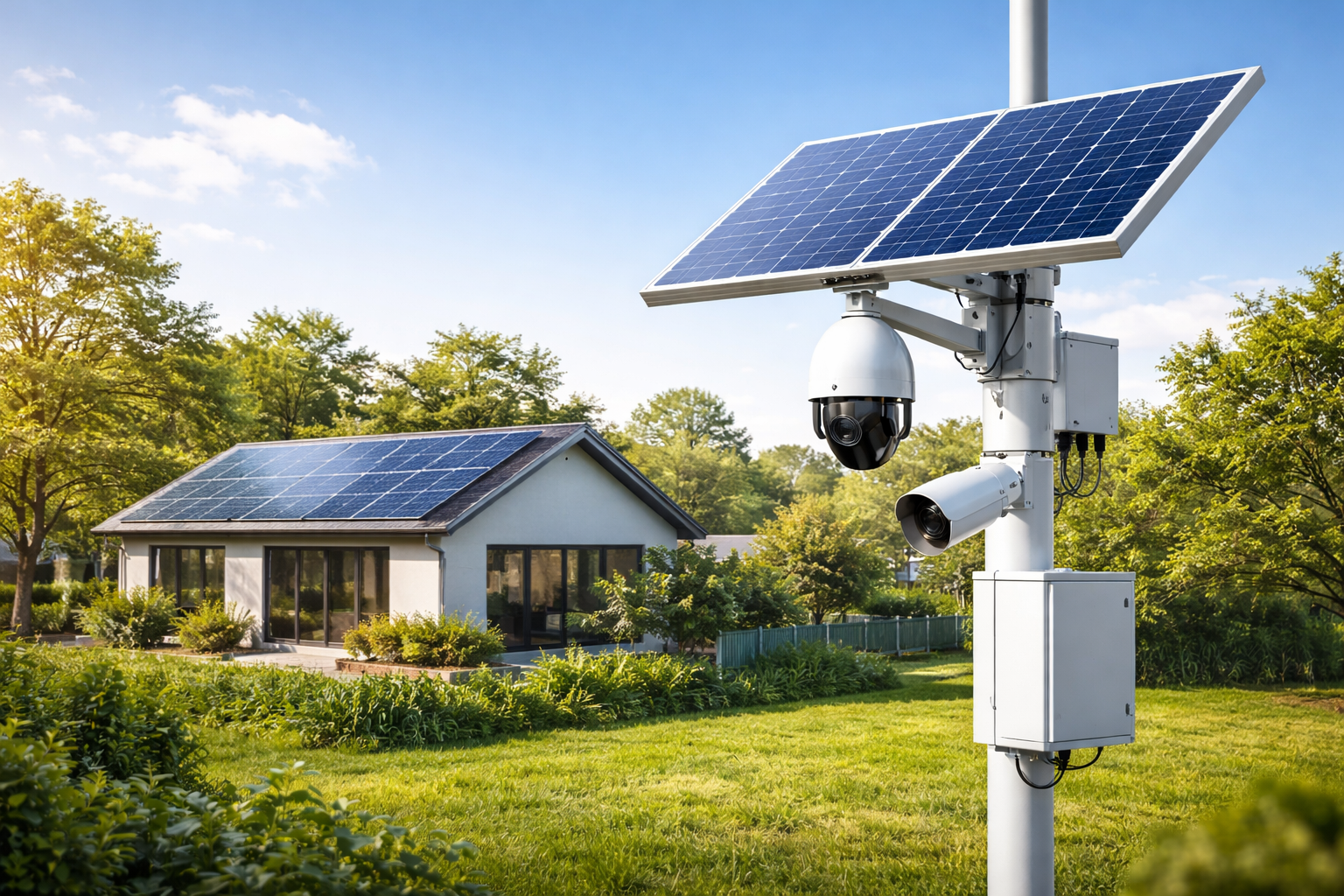
A solar-powered CCTV system is a standalone surveillance solution that uses solar photovoltaic (PV) panels to generate electrical power. The generated energy is stored in batteries, which are then used to power the CCTV cameras, recording units, and communication modules.
By using solar energy, these systems offer independent operation, making them ideal for locations where grid power is unavailable or unreliable. Solar CCTV systems are designed to operate continuously, ensuring uninterrupted surveillance day and night.
Key Features of Solar-Powered CCTV Systems
1. Off-Grid or Hybrid Operation
Solar-powered CCTV systems can operate off the grid or be connected to a hybrid power source, making them ideal for remote locations or areas with frequent power outages.
2. Low Power Consumption
These systems are designed with energy efficiency in mind, using low-power electronics to maximize the effectiveness of solar energy while reducing operational costs.
3. Weather-Resistant Design
Solar-powered CCTV systems are built to withstand harsh environmental conditions, making them weather-resistant and durable for both indoor and outdoor applications.
4. Intelligent Energy Management
Advanced solar controllers ensure optimal energy management, protecting the system from overcharging and maintaining power supply even during low sunlight hours.
System Architecture of Solar-Powered CCTV Systems
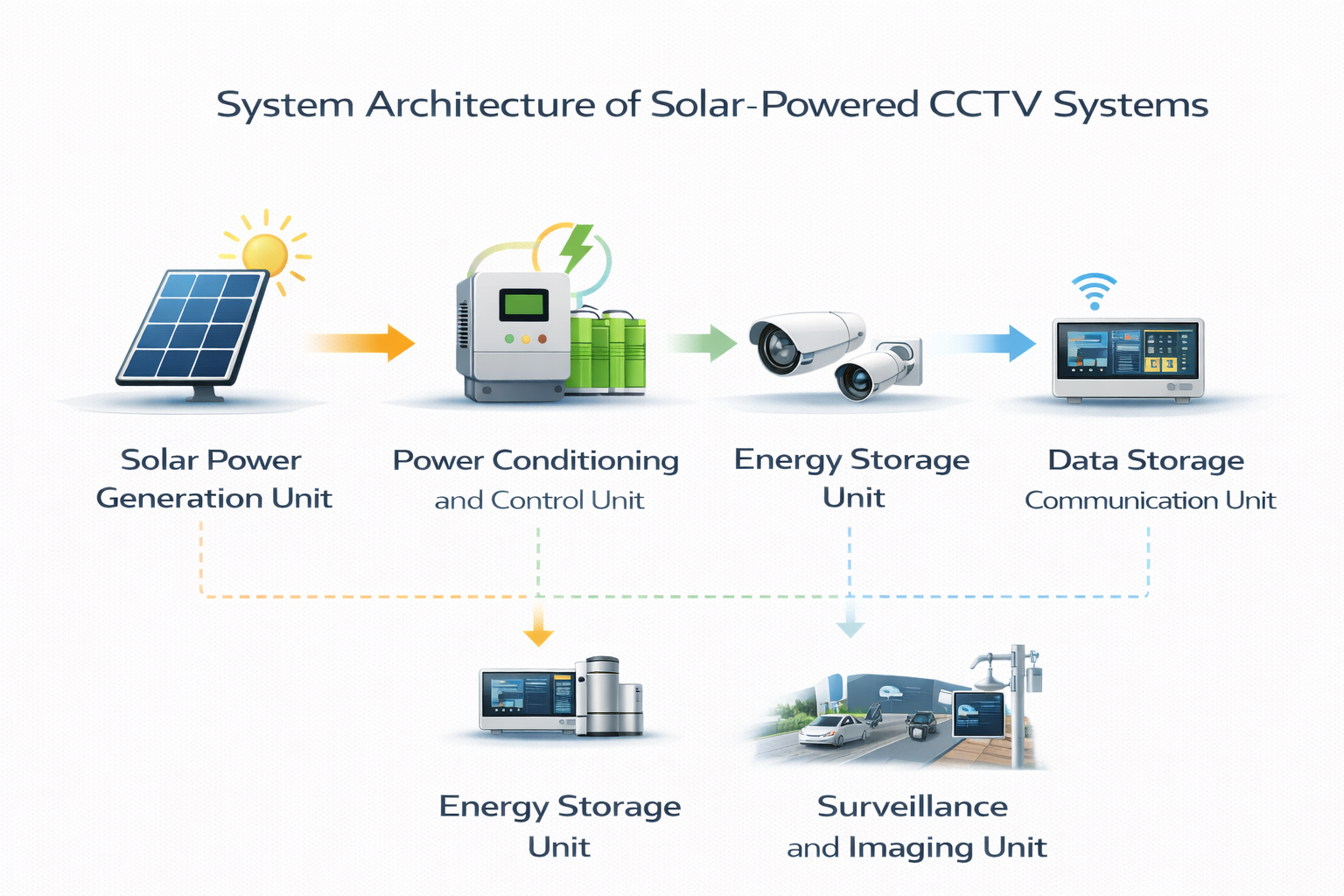
A solar-powered CCTV system consists of several interconnected subsystems that work together to provide reliable surveillance:
-
Solar Power Generation Unit
Solar panels generate DC electrical energy from sunlight, which is the primary source of power for the system. -
Power Conditioning and Control Unit
This unit ensures that the energy from the solar panels is regulated and used efficiently by the rest of the system. -
Energy Storage Unit
Batteries store excess energy for use when sunlight is not available, ensuring continuous operation. -
Surveillance and Imaging Unit
The CCTV cameras capture video footage and monitor the area. -
Data Storage and Communication Unit
The recording system stores footage, while communication systems enable remote monitoring and control.
How Solar-Powered CCTV Systems Work
-
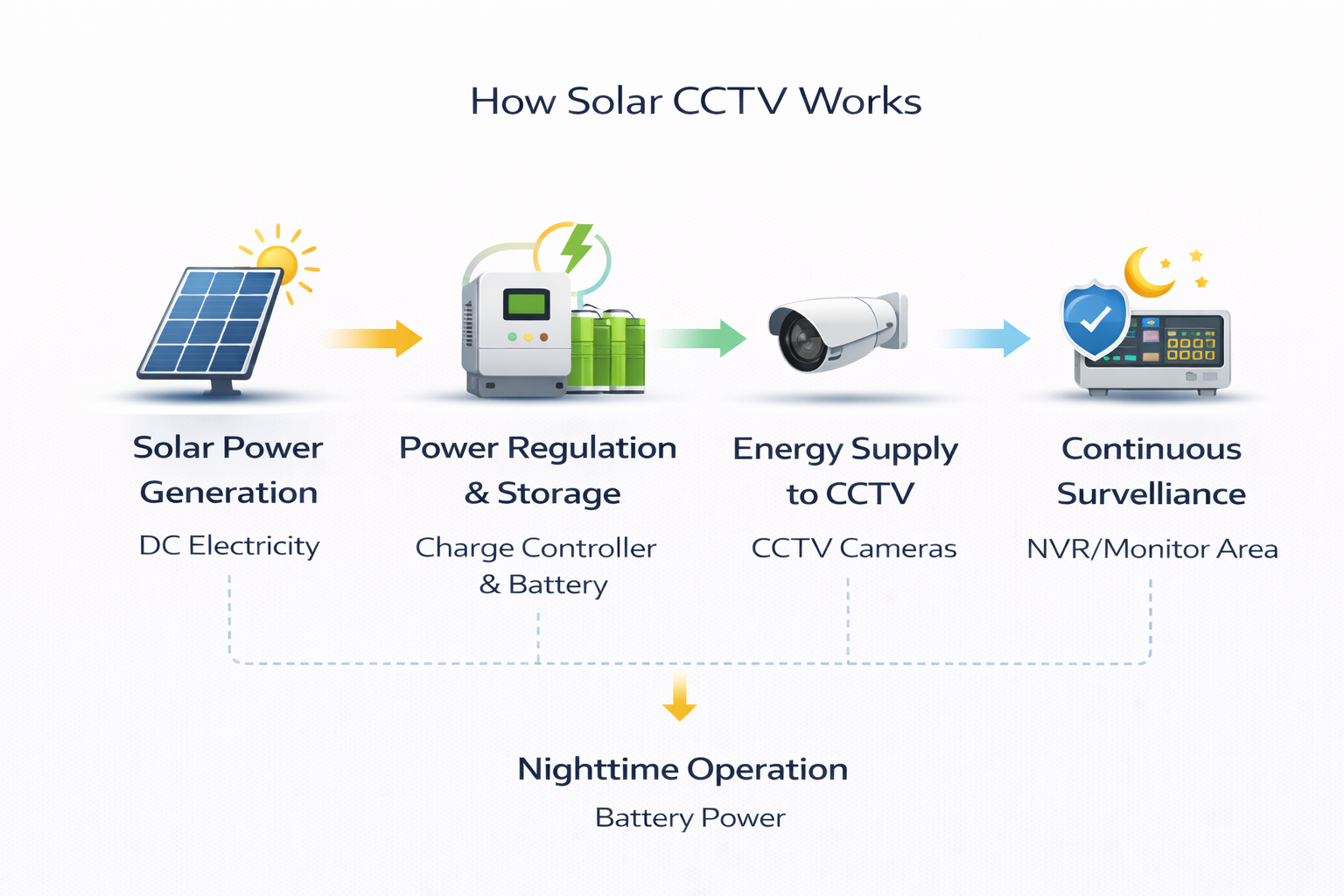
Solar Power Generation
The solar panels convert sunlight into DC electricity during the day. The amount of power generated depends on the sunlight intensity and time of day. -
Power Regulation and Storage
The solar charge controller regulates the voltage and current, preventing overcharging of the batteries. Excess energy is stored in the batteries for nighttime operation. -
Continuous Surveillance
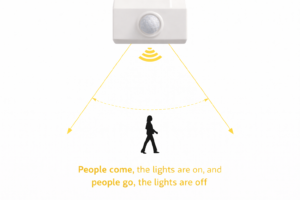
The CCTV camera and NVR (Network Video Recorder) operate continuously, with motion events triggering recording and alerts. -
Nighttime Operation
During low sunlight or nighttime, the system automatically switches to battery power, ensuring 24/7 autonomous surveillance.
Advantages of Solar-Powered CCTV Systems
1. Energy Independence
By relying on solar energy, these systems provide energy independence, reducing dependency on the electrical grid and offering a sustainable security solution.
2. Environmentally Friendly
Solar-powered CCTV systems are environmentally friendly as they use renewable energy, contributing to a reduction in carbon emissions and supporting global sustainability efforts.
3. Reliable Operation During Power Outages
One of the biggest advantages of solar-powered systems is their ability to operate even during power outages. This makes them perfect for locations with unreliable electricity.
4. Cost-Effective
While the initial installation may have a higher upfront cost, solar-powered CCTV systems offer low long-term operating costs due to the lack of electricity bills and minimal maintenance.
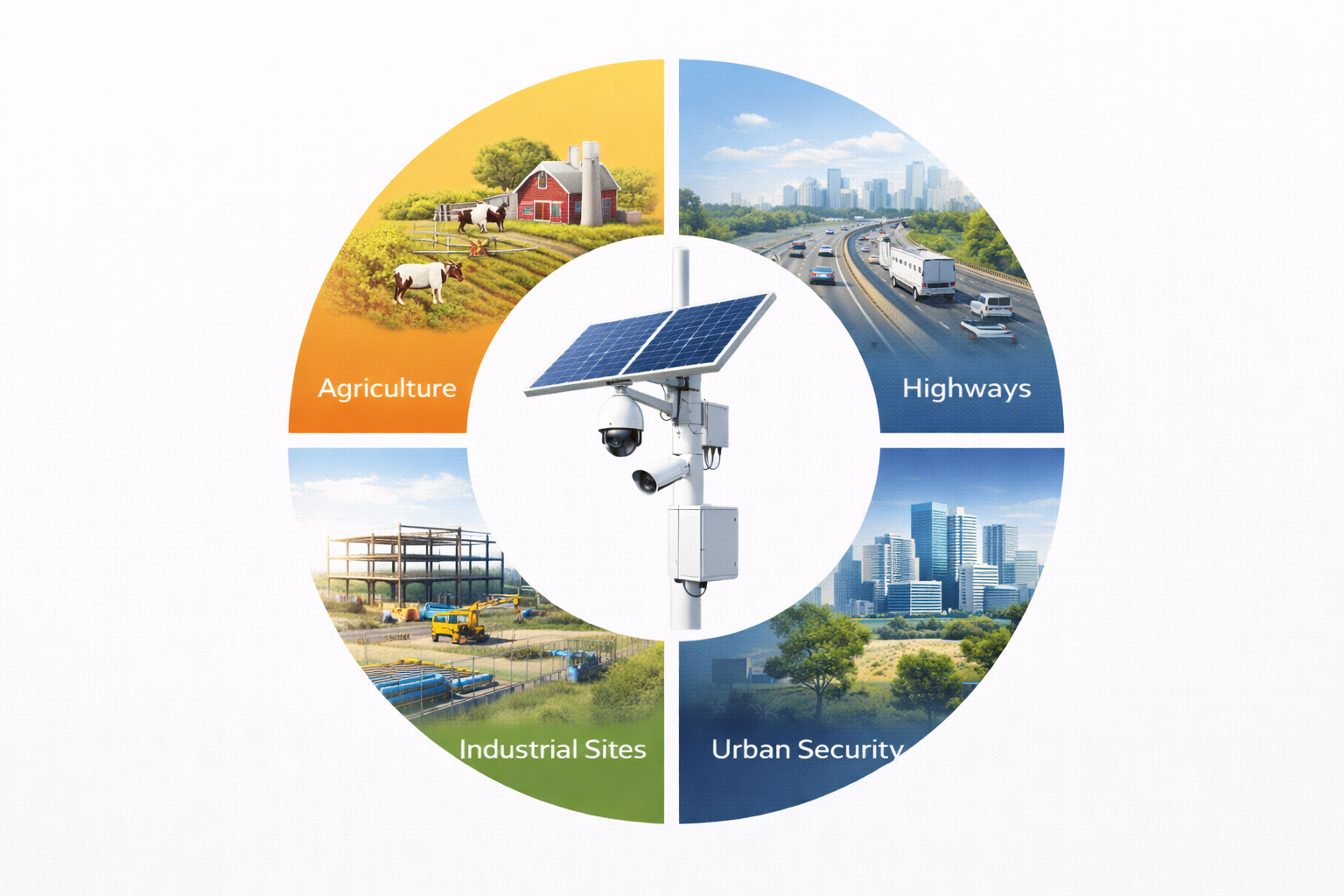
Applications of Solar-Powered CCTV Systems
-
Rural and Off-Grid Areas
These systems are ideal for providing security in remote locations where access to the grid is unavailable or impractical. -
Smart Cities
Integrated with traffic management and public safety systems, solar-powered CCTV can play a role in creating smart cities. -
Highways and Traffic Control
These systems are used for monitoring accidents and enforcing law and order on highways. -
Industrial and Construction Sites
Solar-powered CCTV provides essential asset protection and site safety monitoring in industrial zones. -
Agricultural Surveillance
Used to monitor crops, livestock, and farm equipment, ensuring security and operational efficiency in agricultural settings.
Challenges of Solar-Powered CCTV Systems
Despite their numerous benefits, solar-powered CCTV systems do come with a few challenges, including:
-
Higher Initial Investment: Solar-powered systems tend to have higher upfront costs due to the installation of solar panels, batteries, and controllers.
-
Dependence on Sunlight: The performance of these systems is directly tied to sunlight, which can vary depending on geographical location and weather conditions.
-
Battery Aging: Over time, the batteries may lose efficiency, requiring periodic replacement.
-
Vandalism Risk: There is a risk of theft or vandalism of solar panels, particularly in remote locations.
Future of Solar-Powered CCTV Systems
As technology continues to improve, solar-powered CCTV systems are expected to become more efficient, cost-effective, and accessible. With advances in AI-driven video analytics, motion detection, and cloud storage, these systems will become even smarter and more integrated into the IoT (Internet of Things) ecosystem.
Conclusion
Solar-powered CCTV systems represent a perfect fusion of renewable energy and modern surveillance technologies. By eliminating the dependency on the electrical grid, these systems provide a sustainable, reliable, and cost-effective security solution, particularly in areas where traditional power is unavailable.
At Muspana, we are committed to delivering cutting-edge solar-powered surveillance solutions, ensuring safety and security no matter where you are.