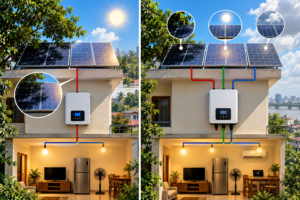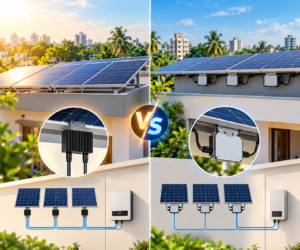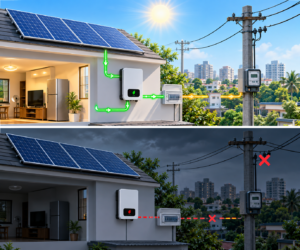
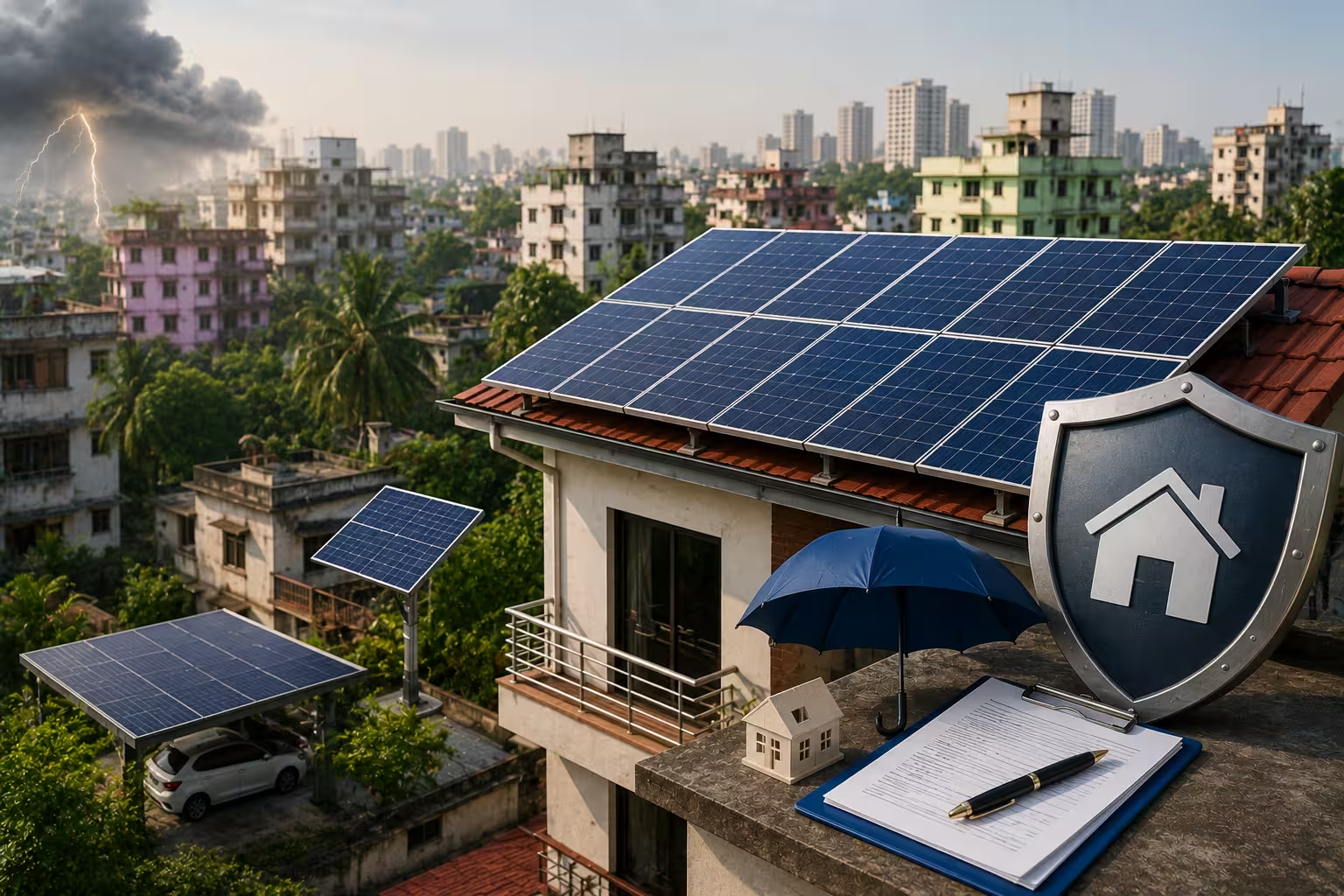
You have just invested several lakh taka in a solar system for your home or business.
The panels are installed on your roof, the inverter is connected, everything is working—and then an important question comes to mind:
What happens if a storm, fire, theft or another unexpected event damages my solar system?
Will insurance pay for it?
The short answer is:
It depends on your insurance policy, how the solar system is installed, who owns it and what caused the damage.
This is especially important in Bangladesh because solar panels are a significant investment, while they are also exposed to:
- Heavy rain
- Strong winds
- Lightning
- Hail in some areas
- Fire
- Theft
- Physical damage
- Rooftop accidents
- Electrical faults
So before installing solar, don’t just ask:
“Is my solar panel covered by insurance?”
Ask:
“Exactly what part of my solar system is insured, against which risks, and up to what amount?”
The Quick Answer
If your solar panels are permanently installed on your property, they may be covered under an existing property or home insurance policy—but you should never assume this automatically.
The treatment can be different depending on whether your system is:
- Rooftop-mounted
- Ground-mounted
- Installed on a garage or other structure
- Part of a solar carport
- Owned by you
- Financed by you
- Leased
- Installed under a Power Purchase Agreement (PPA)
Your insurer may also treat the solar panels, inverter and mounting structure differently.
The attached source makes the same fundamental distinction between permanently attached rooftop systems and systems installed separately from the main building.
Why Solar Insurance Is Different From Ordinary Home Insurance
A solar system isn’t just a few panels.
A complete system may include:
- Solar panels
- Inverter
- Mounting structure
- DC cables
- AC cables
- Protection devices
- Monitoring equipment
- Battery
- Electrical distribution equipment
A residential rooftop system can easily represent a substantial investment.
For example, suppose your complete solar installation costs:
৳6,00,000
If your insurance policy only provides limited coverage for certain equipment, you could discover after a major incident that the coverage is less than the actual replacement cost.
That’s why the value of the complete system should be discussed with your insurer.
Rooftop vs Ground-Mounted Solar
Where you install the system can affect how an insurer classifies it.
Rooftop Solar
Rooftop panels are permanently attached to the building.
Depending on the policy, they may be treated as part of the insured property or as permanently installed equipment.
This can potentially make rooftop systems simpler to insure.
However, you should still confirm:
- Whether the panels are included
- Whether the inverter is included
- Whether the mounting structure is included
- Whether the full replacement value is covered
Ground-Mounted Solar
Ground-mounted solar is physically separate from the main building.
That can result in different insurance treatment.
The insurer may classify it separately from the main building or under another property/equipment section of the policy.
This becomes especially important if you have a large ground-mounted system.
Solar Carport
A solar carport can involve several separate assets:
- Solar panels
- Steel structure
- Roofing
- Electrical equipment
- Vehicle parking structure
You should confirm exactly how each component is treated under the policy.
What If the Solar System Is on a Detached Building?
Suppose your solar panels are installed on:
- A detached garage
- Warehouse
- Workshop
- Farm building
- Office building
- Separate shed
Don’t assume the system receives exactly the same coverage as panels installed directly on your main home.
Ask the insurer how the building and solar equipment are classified.
This is particularly important for businesses with multiple structures on the same property.
What If You Lease the Solar System?
This is another important situation.
If you don’t own the solar equipment, your insurance responsibility may be different.
For example, under a lease:
Solar company → Owns the equipment
You → Use the equipment and make lease payments
The solar company may carry insurance on the equipment itself.
Similarly, under a PPA, a third party may own the solar system while your business purchases the electricity it generates.
The attached source highlights this ownership issue as one of the most commonly misunderstood parts of solar insurance.
Before signing a lease or PPA, check:
- Who owns the panels?
- Who insures the equipment?
- Who pays for repairs?
- Who pays if the equipment is stolen?
- Who is responsible for storm damage?
- What happens after a total loss?
- What happens if you sell the property?
What Types of Solar Damage Might Be Covered?
Coverage depends entirely on the policy, but you should specifically ask about risks such as:
Fire
If a covered fire damages the solar panels, inverter or other insured equipment, ask whether replacement or repair is included.
Lightning
Lightning can damage:
- Solar panels
- Inverters
- Protection equipment
- Electrical systems
Confirm whether lightning-related damage is covered.
Wind and Storm Damage
Strong winds can damage rooftop structures and panels.
Ask whether wind-related damage is covered and whether any special conditions or deductibles apply.
Hail
Hail can physically damage solar panels.
If your area experiences hail, ask specifically about hail damage rather than assuming it is included.
Theft
Solar panels, inverters and batteries can have significant resale value.
For ground-mounted systems or easily accessible equipment, theft protection can be particularly important.
Vandalism
Ask whether deliberate physical damage to the system is included under your policy.
Wind and Hail: An Important Question to Ask
Solar panels spend their entire working life outside.
That means weather-related risks deserve special attention.
The attached source identifies wind and hail treatment as one of the biggest areas homeowners should investigate before assuming solar is fully covered.
When speaking to your insurer, don’t simply ask:
“Is my solar system insured?”
Ask:
“Are wind, storm and hail damage to my solar panels, inverter and mounting structure covered under this policy?”
Then ask:
“What deductible or exclusions apply?”
The answer should be documented in writing.
What Is Usually Not Covered?
Insurance policies have exclusions.
The exact exclusions vary by insurer and policy, but you should ask about the following.
Normal Wear and Tear
Solar panels gradually lose performance as they age.
That is normal equipment degradation—not normally an insurance claim.
If your panel produces less electricity after many years, that doesn’t automatically mean the insurer will replace it.
Manufacturing Defects
If a panel fails because of a manufacturing defect, the manufacturer’s warranty may be more relevant than your insurance policy.
This is why you should keep:
- Purchase invoices
- Product warranties
- Serial numbers
- Installation documents
Poor Installation
If the system was improperly installed, ask how your policy treats resulting damage.
For example:
- Incorrect wiring
- Poor mounting
- Improper waterproofing
- Non-compliant electrical work
could create complications during a claim.
The source also highlights improper installation as a potential coverage issue.
Normal Panel Degradation
A solar panel gradually losing some output over time is not the same thing as physical damage.
Insurance generally should not be viewed as a performance warranty.
Flood or Water Damage
Do not assume every type of water-related damage is automatically covered.
Ask your insurer specifically about:
- Flooding
- Heavy rain
- Water entering the inverter
- Rooftop water accumulation
- Water damage to electrical equipment
The exact treatment depends on the policy.
What About Lightning Damage?
Lightning is particularly important for solar installations because the system contains significant electrical equipment.
A lightning event can potentially damage:
- Panels
- Inverter
- DC protection
- AC protection
- Monitoring equipment
- Batteries
Ask your insurer whether lightning damage is covered and whether the policy requires particular protection equipment.
Your solar installer should also provide appropriate electrical protection based on the system design and applicable standards.
Does Solar Increase Your Insurance Cost?
It may.
When you add a valuable solar system to your property, you are adding another significant asset that may need protection.
The effect on your insurance premium depends on:
- Total system value
- Property value
- Type of policy
- Location
- Risk profile
- Insurer
- Coverage level
Don’t rely on a generic internet estimate.
Ask your insurer:
“How will adding a ৳5 lakh / ৳10 lakh solar system affect my premium?”
Get the answer based on your actual property and system.
Do You Need a Separate Solar Insurance Policy?
Not necessarily.
For some systems, your existing property insurance may provide appropriate coverage once the solar installation is declared and properly documented.
For others, a separate equipment or renewable-energy insurance arrangement may be more appropriate.
This is particularly worth investigating for:
- Large commercial systems
- Ground-mounted solar farms
- Large battery installations
- Industrial rooftop systems
- Solar carports
- High-value projects
The correct answer depends on the insurance products available and the wording of your specific policy.
How Much Insurance Coverage Do You Need?
This is one of the most important questions.
Suppose you install:
Solar panels = ৳3,50,000
Inverter = ৳1,00,000
Mounting + installation + electrical work = ৳1,50,000
Total project investment:
৳6,00,000
Don’t tell your insurer only:
“I have solar panels.”
Give them the complete system value.
Ask:
“If the entire system needs to be replaced today, what amount would my policy pay?”
Your coverage should be evaluated against the realistic replacement cost and the policy’s applicable limits.
Replacement Cost vs Original Purchase Price
Another important issue is the difference between:
What you paid
and
What it costs to replace the system today.
Solar equipment prices can change.
For example, you may have purchased a system for:
৳7,00,000
Several years later, the cost of replacing equivalent equipment could be:
৳5,50,000
or:
৳8,00,000
depending on equipment prices, labour and installation costs.
Ask your insurer whether claims are settled based on:
- Actual cash value
- Replacement cost
- Depreciated value
- Another valuation method
Don’t assume the settlement will automatically equal your original purchase price.
A Realistic Bangladesh Example
Imagine a homeowner in Dhaka installs a rooftop solar system worth:
৳7,00,000
The homeowner has property insurance but never informs the insurer about the new solar installation.
Three years later, a major fire damages the property and destroys the solar system.
The homeowner may then discover that the existing policy does not provide the level of coverage they expected for the additional solar equipment.
The lesson is simple:
Tell your insurer about the solar installation before there is a claim.
The attached source makes the same point through its example of a homeowner increasing the insured property value after installing a significant solar system.
What If You Have a Ground-Mounted System?
Let’s consider another example.
Suppose you install:
Ground-mounted solar system = ৳10,00,000
Your property policy has a separate limit for external structures or equipment.
If that limit is lower than the cost of replacing your solar system, you may not have enough coverage.
This is why ground-mounted solar needs particularly careful insurance planning.
Ask:
“Is the ground-mounted solar system covered under my main property limit, or does it have a separate limit?”
Then ask:
“What is the maximum amount the insurer would pay for a total loss?”
What If Your Solar System Includes Batteries?
Battery storage adds another major component to the project.
A hybrid or off-grid system may include:
- Solar panels
- Hybrid inverter
- Battery bank
- Battery enclosure
- Protection equipment
Battery insurance can raise additional questions around:
- Fire
- Electrical faults
- Physical damage
- Water exposure
- Theft
- Manufacturer warranty
- Installation requirements
Don’t assume that because your solar panels are covered, your batteries automatically have identical coverage.
Ask specifically about the battery system.
What Documents Should You Keep?
Good documentation can make an insurance claim much easier.
Keep copies of:
Purchase Invoice
Shows how much the system cost.
Installation Invoice
Shows who installed the system and what work was performed.
System Specification
Keep:
- Panel model
- Panel wattage
- Inverter model
- Battery model
- Number of panels
Warranty Documents
Keep both:
- Manufacturer warranties
- Installer warranties
Serial Numbers
Record serial numbers for:
- Panels
- Inverter
- Battery
- Other major equipment
Installation Photos
Take clear photos of:
- Panels
- Mounting structure
- Inverter
- Electrical protection
- Wiring
- Battery
These can provide useful evidence of the system’s condition before an incident.
What Should You Ask Your Insurance Company?
Don’t just call and say:
“I installed solar. Is it covered?”
Ask these specific questions.
Question 1
Is my solar system covered under my existing property insurance policy?
Question 2
How are rooftop solar panels classified under my policy?
Question 3
How are ground-mounted panels classified?
Question 4
Are the inverter, mounting structure and batteries also covered?
Question 5
Are fire, lightning, theft, vandalism, wind and hail covered?
Question 6
Are there any exclusions or special deductibles?
Question 7
What is the maximum claim amount for the solar system?
Question 8
How is the claim value calculated?
Question 9
Does the policy cover the full replacement cost?
Question 10
Do I need a separate endorsement or equipment policy?
What Should You Ask Your Solar Installer?
Insurance isn’t only about the policy.
The installation itself matters too.
Ask your installer for:
- Proper installation documentation
- Equipment specifications
- Warranty certificates
- Electrical protection details
- Structural information
- Installation photos
- Invoice
- Maintenance recommendations
If your insurer asks whether the system was professionally installed, you’ll have documentation ready.
What If the Solar System Is Damaged During a Storm?
Suppose a major storm damages several panels.
Before doing anything, document the damage.
Take:
- Photos
- Videos
- Equipment details
- Damage location
- Visible structural damage
Then contact your insurer according to the policy’s claim process.
Also contact your solar installer if technical inspection is required.
Don’t immediately dispose of damaged equipment unless the insurer or relevant authority tells you to do so.
What If Only the Inverter Is Damaged?
You may have two potential routes:
Insurance claim
or
Manufacturer/installer warranty
If the inverter failed because of a manufacturing defect, the warranty may be relevant.
If it was physically damaged by a covered event, insurance may be relevant.
This is why keeping warranty and purchase documentation is so important.
Insurance vs Solar Warranty
These are not the same thing.
Solar Warranty
Usually protects against certain:
- Manufacturing defects
- Product failures
- Performance issues
depending on the warranty terms.
Insurance
Generally protects against specified external risks or covered events, depending on the policy.
For example:
Panel stops working because of a manufacturing defect → Check warranty
Panel physically damaged by a covered event → Check insurance
The exact answer depends on the terms of both agreements.
Does Insurance Cover Lost Electricity Production?
This is another important question.
Suppose your inverter is damaged and your solar system stops producing electricity for two months.
Will your insurance reimburse the electricity you would otherwise have generated?
Do not assume so.
Standard property coverage and business interruption coverage are different matters.
For a commercial solar installation, ask specifically whether any policy provides protection for:
Business interruption
or
Loss of income / loss of energy production
if the solar system is unavailable.
What About Commercial Solar Systems?
For a business, insurance becomes even more important because the solar system can be a major capital asset.
A commercial system may cost:
৳20 lakh
৳50 lakh
৳1 crore
or significantly more.
For a factory, warehouse, hotel, office or commercial building, review:
- Property insurance
- Equipment coverage
- Fire coverage
- Electrical equipment coverage
- Business interruption
- Theft
- Storm damage
- Liability
- Solar-specific risks
The larger the system, the more important it becomes to review the insurance structure before installation.
Solar Insurance and Business Interruption
Imagine a factory installs a:
৳80 lakh solar system
The system normally offsets a significant amount of electricity consumption.
A major incident damages the inverter and the system stops operating for several months.
There are now two separate financial impacts:
1. Cost of repairing the solar system
2. Additional electricity cost while solar is unavailable
Whether the second loss is covered depends on the business’s insurance arrangements.
So commercial solar owners should not only ask:
“Is the equipment insured?”
They should also ask:
“What happens financially if the system is unavailable for several months?”
Should You Insure Solar Panels Separately?
For a small rooftop system, separate insurance may not always be necessary if the existing property policy provides adequate protection.
For larger or more complicated installations, additional coverage may make sense.
Consider separate or enhanced coverage if you have:
- Large ground-mounted solar
- High-value rooftop solar
- Significant battery storage
- Commercial solar
- Solar carport
- Multiple properties
- High theft exposure
- Significant business interruption risk
The right choice depends on the policy and risk profile.
Common Solar Insurance Mistakes
Mistake 1: Never Telling the Insurer
Your insurer can’t properly assess the additional asset if they don’t know it exists.
Mistake 2: Assuming “Home Insurance Covers Everything”
Policies have limits, exclusions and conditions.
Mistake 3: Ignoring the Inverter
A solar system isn’t only panels.
The inverter can be one of the most valuable individual components.
Mistake 4: Forgetting the Battery
Hybrid and off-grid systems can contain expensive batteries.
Mistake 5: Not Checking Storm Coverage
Wind and hail can be particularly important for rooftop solar.
Mistake 6: Using the Original Purchase Price Without Reviewing Replacement Value
Your insurance needs should be reviewed as equipment and installation costs change.
Mistake 7: Not Keeping Installation Documents
Poor documentation can make claims more difficult.
Mistake 8: Assuming a Warranty Is the Same as Insurance
It isn’t.
Warranty and insurance protect against different types of risks.
A Simple Solar Insurance Checklist
Before installing solar, check:
☐ Tell your insurer about the solar system
☐ Confirm the complete insured value
☐ Confirm whether rooftop panels are covered
☐ Confirm ground-mounted coverage
☐ Ask about inverter coverage
☐ Ask about battery coverage
☐ Ask about fire
☐ Ask about lightning
☐ Ask about wind and storm damage
☐ Ask about hail
☐ Ask about theft
☐ Ask about vandalism
☐ Check exclusions
☐ Check deductibles
☐ Check claim limits
☐ Ask whether replacement cost is covered
☐ Keep all invoices and warranties
☐ Keep installation photographs
Frequently Asked Questions
Does insurance cover solar panels?
It depends on your policy. Permanently installed rooftop solar may be covered under property insurance, but you should confirm the exact treatment with your insurer.
Do I need to tell my insurer about solar panels?
Yes. You should inform your insurer about the installation and provide the system’s value and relevant documentation.
Does insurance cover solar panel damage from storms?
It depends on the policy. Ask specifically about wind, heavy storms, hail and other weather-related risks.
Are ground-mounted solar panels covered?
They may be, but they can be classified differently from rooftop solar. Confirm the applicable coverage limit and classification with your insurer.
Are solar batteries covered by insurance?
Not automatically in every policy. If your system includes batteries, ask your insurer specifically whether the battery bank and related equipment are covered.
Does insurance cover a solar inverter?
It depends on the policy and the cause of damage. Confirm whether the inverter is included and whether electrical or lightning-related damage is covered.
Does a solar warranty replace insurance?
No. A manufacturer or installer warranty generally covers specified product or workmanship issues, while insurance deals with specified external risks according to the policy.
Does insurance cover normal solar panel degradation?
Generally, normal aging and gradual loss of panel output should not be treated as an insurance claim. Check the manufacturer’s performance warranty instead.
What documents should I keep for solar insurance?
Keep the purchase invoice, installation invoice, equipment specifications, warranty documents, serial numbers and photographs of the completed installation.
What happens if I lease my solar panels?
The solar company may own and insure the equipment. Review the lease agreement carefully to understand who is responsible for damage, theft, repairs and replacement.
What if I have a Solar PPA?
If a third party owns the solar system under a PPA, confirm who carries insurance on the equipment and what happens if the system is damaged or destroyed.
Should I buy separate insurance for my solar system?
Not necessarily. Your existing property insurance may provide suitable coverage, but large commercial systems, ground-mounted installations, solar carports and battery-heavy systems may require additional or specialised coverage.
Does insurance cover lost electricity when solar stops working?
Do not assume it does. Equipment damage and loss of electricity savings are separate issues. Commercial customers should specifically ask about business interruption or related coverage.
What is the most important thing to check before installing solar?
Don’t ask only:
“Is solar covered?”
Ask for the exact answer to:
“Which solar equipment is covered, against which risks, up to what amount, with what exclusions and deductible?”
That answer is much more useful when protecting a major solar investment.
Final Verdict
So, does insurance cover solar panels in Bangladesh?
It can—but you should never assume that every solar system, every type of damage or the full replacement cost is automatically covered.
The most important factors are:
- Your insurance policy
- How the solar system is installed
- Who owns the system
- Whether it is rooftop or ground-mounted
- The total system value
- The cause of damage
- Policy exclusions
- Deductibles
- Claim limits
For a rooftop system, start by asking your insurer whether the panels, inverter, mounting structure and batteries are covered under your existing property policy.
For ground-mounted systems and solar carports, pay particular attention to how the insurer classifies the equipment and whether a separate coverage limit applies.
And if you’re using a lease or PPA, confirm who is actually responsible for insuring the solar equipment.
At Muspana, we recommend doing this before installation, not after a storm or other incident.
The goal isn’t simply to have solar panels protected on paper.
The goal is to make sure that if something goes wrong, you know:
What is covered.
Who is responsible.
How much you can claim.
And what it will actually cost to replace the system.
A five-minute conversation with your insurer before installation can prevent a very expensive surprise later