By Md. Minhaj Rahat, Engineer (Muspana)
A Lightning Protection System (LPS) is a critical safety solution designed to safeguard buildings, equipment, and people from the destructive effects of lightning strikes. By providing a controlled, low-impedance path, the system safely channels lightning energy from the point of strike into the ground, preventing fire hazards, structural damage, and equipment failure.
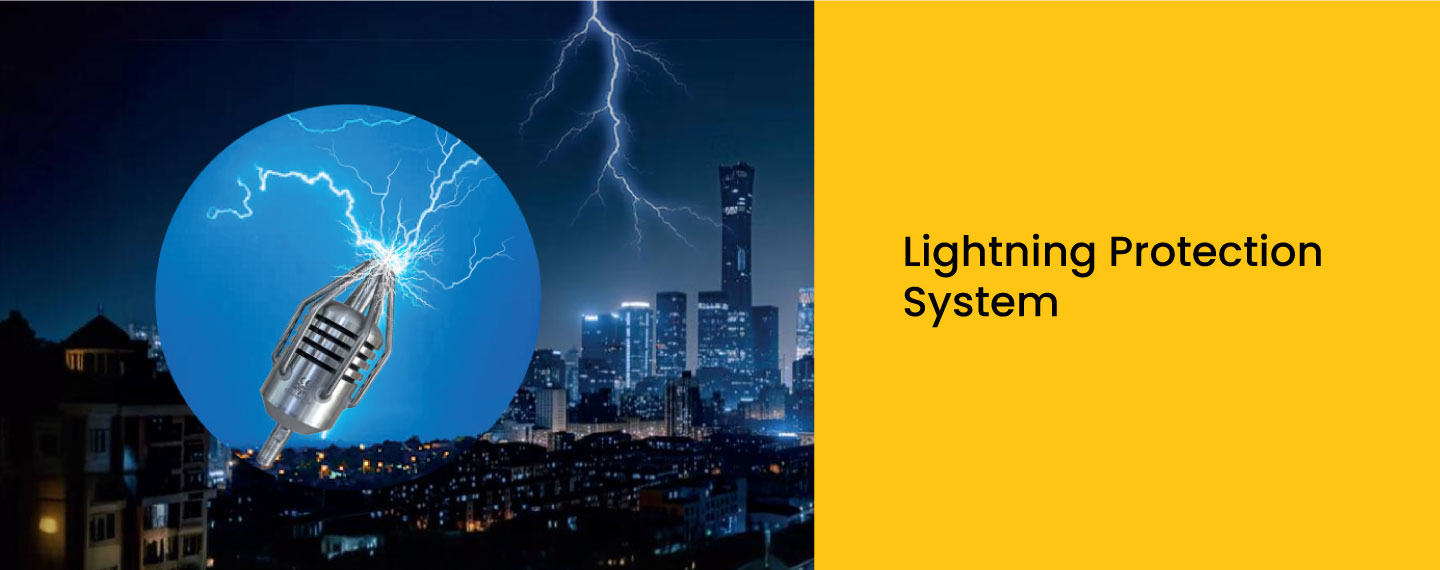
At the heart of the system is the air termination, which captures lightning using the EuroStar ES60 Early Streamer Emission (ESE) technology. This advanced system is engineered to intercept lightning at an early stage, extending the protection radius and improving strike interception efficiency. Once captured, the lightning current is safely conveyed through down conductors, typically high-conductivity copper conductors, which ensure both electrical reliability and mechanical strength as the current travels from roof level to earth.
Core elements
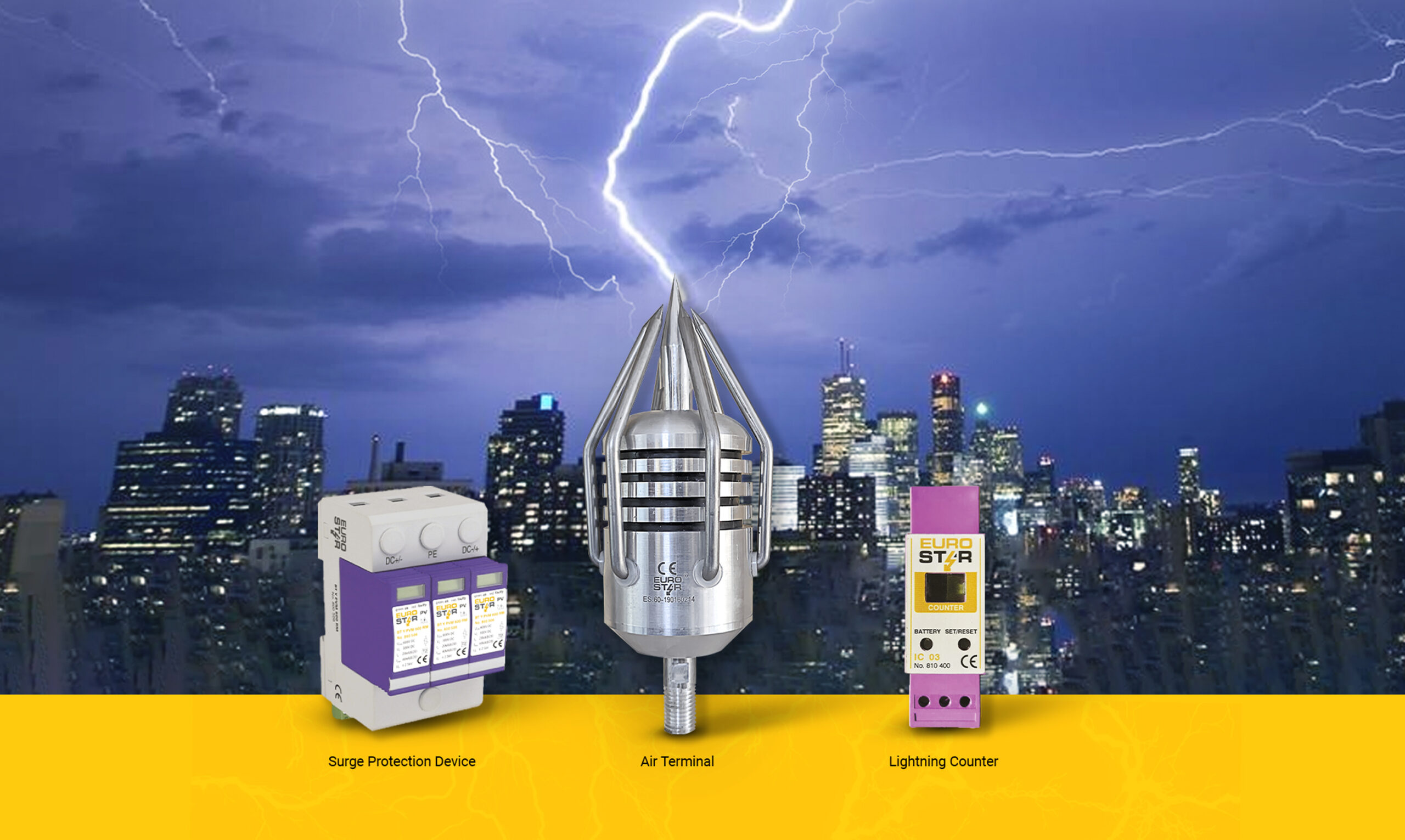
- Air termination: Captures the lightning strike using the EuroStar ES60 ESE (Early Streamer Emission) system, designed to intercept lightning at an early stage and extend the protection radius.
- Down conductors: Carry lightning current safely from roof level to earth through copper conductors, ensuring high conductivity and mechanical reliability.
- Earth termination: Disperses lightning energy into the soil, limiting step and touch potential around the structure.
- Strike counter: A digital lightning strike counter installed on the down conductor records the number of lightning strikes, supporting inspection and monitoring.
- Grounding pits: Two dedicated grounding pits, filled with Marconite or Bentonite, are provided to achieve stable, low earth resistance under varying soil conditions.
- Surge Protection Devices (SPD): Protect electrical and electronic systems from external transient overvoltage, preventing damage from induced lightning surges.
Why LPS Matters
An effective LPS significantly reduces fire risk, prevents structural damage, and protects sensitive electrical and electronic equipment. It is not a luxury, but a risk-mitigation asset, especially essential for high-rise buildings, industrial facilities, and solar PV systems.
In simple terms, a well-designed Lightning Protection System follows one clear principle:
catch it, conduct it, and dissipate it—cleanly and safely.