If your solar system’s output has quietly dropped, or the inverter display has gone dark altogether, your first instinct is probably panic about the bill. That’s fair — but it helps to know this upfront: inverters simply don’t last as long as solar panels. Panels are commonly rated for 25+ years of useful life. Inverters, doing the harder electrical work of converting DC to usable AC power, typically last 10 to 15 years. If your system has been running that long, a failing inverter isn’t a sign anything went wrong. It’s the system working as expected.
That doesn’t make the cost question any less real. Here’s what actually determines what you’ll pay, and how to tell if a quote from your installer is reasonable.
Signs Your Inverter Actually Needs Replacing
Before assuming the worst, check for these signals:
- The display shows an error code that persists after a restart
- Output has dropped noticeably compared to the same month last year
- The inverter shuts down repeatedly during peak sun hours
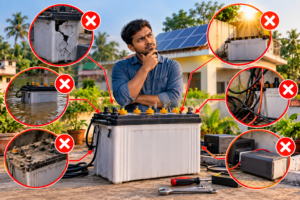
- You hear unusual clicking, humming, or see visible corrosion around terminals
- The unit is 8+ years old and has never been serviced
Not all of these mean replacement. Some point to a repair.
Repair vs. Replace: How to Decide
| Situation | Likely Path | Why |
| Blown fuse, failed capacitor, minor component wear | Repair | Cheaper, faster, often resolves the issue completely |
| Wiring damage, surge/lightning damage, repeated faults | Repair or replace, depending on age | If the unit is young, repair; if near end of life, replacing avoids repeat costs |
| Inverter is 10+ years old with recurring issues | Replace | Continued repairs on an aging unit rarely make financial sense long-term |
| Manufacturer no longer supports the model | Replace | Spare parts and technical support dry up over time |
A capacitor or fuse issue is a relatively minor, inexpensive fix. Wiring faults or surge damage sit in the middle — worth repairing if the inverter is still young, but a signal to start budgeting for replacement if it’s already past the 8–10 year mark. When failures start repeating, that’s usually the unit telling you it’s done.
Solar Inverter Types and How That Affects Replacement
Not all inverters are replaced the same way, and the type installed in your system is one of the biggest cost drivers.
String inverters are the most common setup for residential rooftops — one central unit handling the whole array. They’re the simplest to swap out, since there’s a single unit to remove and reinstall.
Microinverters sit behind each individual panel rather than as one central box. If one fails, only that panel’s microinverter typically needs replacing — but a full system replacement (say, across 15–20 panels) involves swapping many small units rather than one large one, which changes the labor picture entirely.
Hybrid inverters, which manage both grid and battery interaction, are more complex units with more to go wrong — and more to check during replacement, since the battery integration and grid-interactive settings need to be reconfigured correctly.
If you’re unfamiliar with which type is right for your setup in the first place, our guide on hybrid solar systems breaks down how they differ from standard grid-tied setups.
What Actually Drives Your Replacement Cost
This is where most cost guides fall short — they’ll hand you a flat number pulled from a foreign market and call it a day. In Bangladesh, several factors move the needle far more than any generic price range can capture:
1. Import dependency. Almost every inverter brand sold here — whether it’s a well-known international name or a more budget-focused option — arrives through import channels. That means currency fluctuation and import/customs timelines directly affect both price and how long you’ll wait for a replacement unit. This is genuinely different from markets where inverters are manufactured domestically and sit in local warehouse stock.
2. Warranty status. Manufacturer warranties are often built to survive even if your original installer goes out of business — the warranty is typically tied to the product, not the company that sold it to you. But here’s the catch: labor for the replacement is frequently not covered, even when the part itself is. Always ask specifically whether your quote separates “part under warranty” from “labor for installation,” because those are often billed very differently.
3. Installer and after-sales support. Bangladesh’s solar installation industry is still relatively young compared to more established markets. Before you commit to a replacement quote, it’s worth asking who will actually be around in five years to honor that warranty or supply spare parts. A slightly higher quote from an installer with a stable local track record can be the better deal.
4. Net metering compliance. If your system is registered under net metering, your replacement inverter generally needs to stay compatible with your DISCO’s requirements and remain on SREDA’s approved product list. Swapping in just any available unit could complicate your net metering status, so this is worth confirming with your installer before you buy.
5. System size and accessibility. Larger systems, harder-to-reach rooftop installations, and any additional electrical work needed (rewiring, panel upgrades) all add labor time, which adds cost.
We can’t responsibly hand you a BDT figure here, because no reliable, verified market-wide pricing data exists for this specific service in Bangladesh yet, and country-of-origin US pricing data simply doesn’t translate — labor costs, import structures, and market maturity are too different. What we can give you instead is a way to sanity-check whatever quote lands in your inbox.
How to Evaluate a Replacement Quote
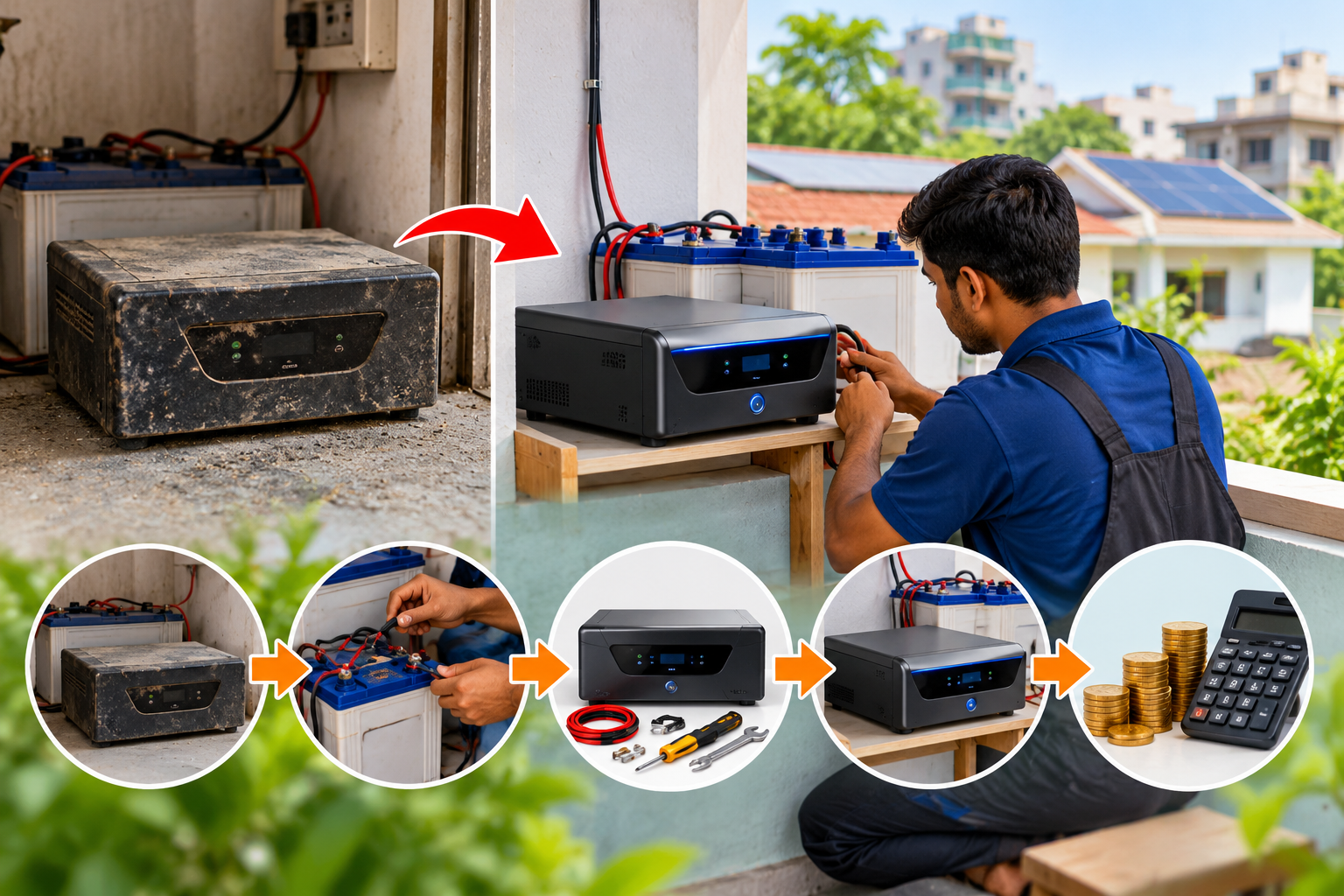
A fair quote should clearly separate:
- Equipment cost — the inverter unit itself, and whether it’s still under manufacturer warranty
- Labor cost — removal of the old unit, installation of the new one, and commissioning/testing
- Any additional work — wiring upgrades, panel-side adjustments, or electrical checks needed for compliance
- Permits or DISCO paperwork, if your net metering registration needs updating for the new unit
If a quote is a single lump number with no breakdown, ask for one. It’s a reasonable request, and any installer confident in their pricing should be able to provide it. This is also a good moment to revisit our guide on evaluating solar quotes, which covers red flags that apply just as much to replacement work as to a new installation.
For Facility Managers and Industrial Systems
If you’re managing a commercial or industrial-scale system, the cost conversation shifts slightly. Downtime matters more than the sticker price — every day your system is offline is lost generation, which for a factory running its own load offset can mean a real jump in grid electricity costs for that period. Build inverter replacement into your preventive maintenance planning rather than waiting for failure, and keep documentation of installation dates so you’re not caught off guard by an aging fleet of units across a large rooftop or ground-mount array. Our piece on solar operation and maintenance goes deeper into planning for this kind of lifecycle management.
Getting a Fair Quote
Whether you’re dealing with a single residential inverter or planning replacements across a commercial site, the same principle applies ask for an itemized quote, confirm warranty terms in writing, and check that the replacement unit keeps your system compliant if you’re on net metering. If you’d rather have someone walk through your specific situation — including checking whether a repair might actually be enough — Muspana can review your system details and help you get a clear, itemized picture before you commit to anything.
FAQs
How long do solar inverters last?
Most inverters last 10–15 years, significantly shorter than the 25+ year lifespan of solar panels. This is normal and expected, not a sign of a defective system.
Can I repair my inverter instead of replacing it?
Often, yes — minor issues like a blown fuse or failed capacitor are usually repairable and much cheaper than replacement. Repeated failures on an aging unit, though, usually mean replacement is the more sensible long-term choice.
Does warranty cover inverter replacement in Bangladesh?
Manufacturer warranties often cover the part itself even if your original installer is no longer in business, but labor is frequently excluded. Always confirm this distinction in writing before agreeing to a quote.
Does replacing my inverter affect my net metering status?
It can. If your system is registered for net metering, the replacement unit generally needs to remain compatible with your DISCO’s requirements and appear on SREDA’s approved product list — confirm this with your installer before purchasing.
How much does solar inverter replacement cost in Bangladesh?
There’s no verified, market-wide price figure to quote reliably, since pricing depends heavily on inverter type, import timing, warranty status, and installer labor rates. The better approach is requesting an itemized quote and comparing it against the cost factors covered above.Let me know if you’d like any adjustments — tone, section emphasis, or if real BDT pricing data becomes available to swap in for the cost-factors framework.