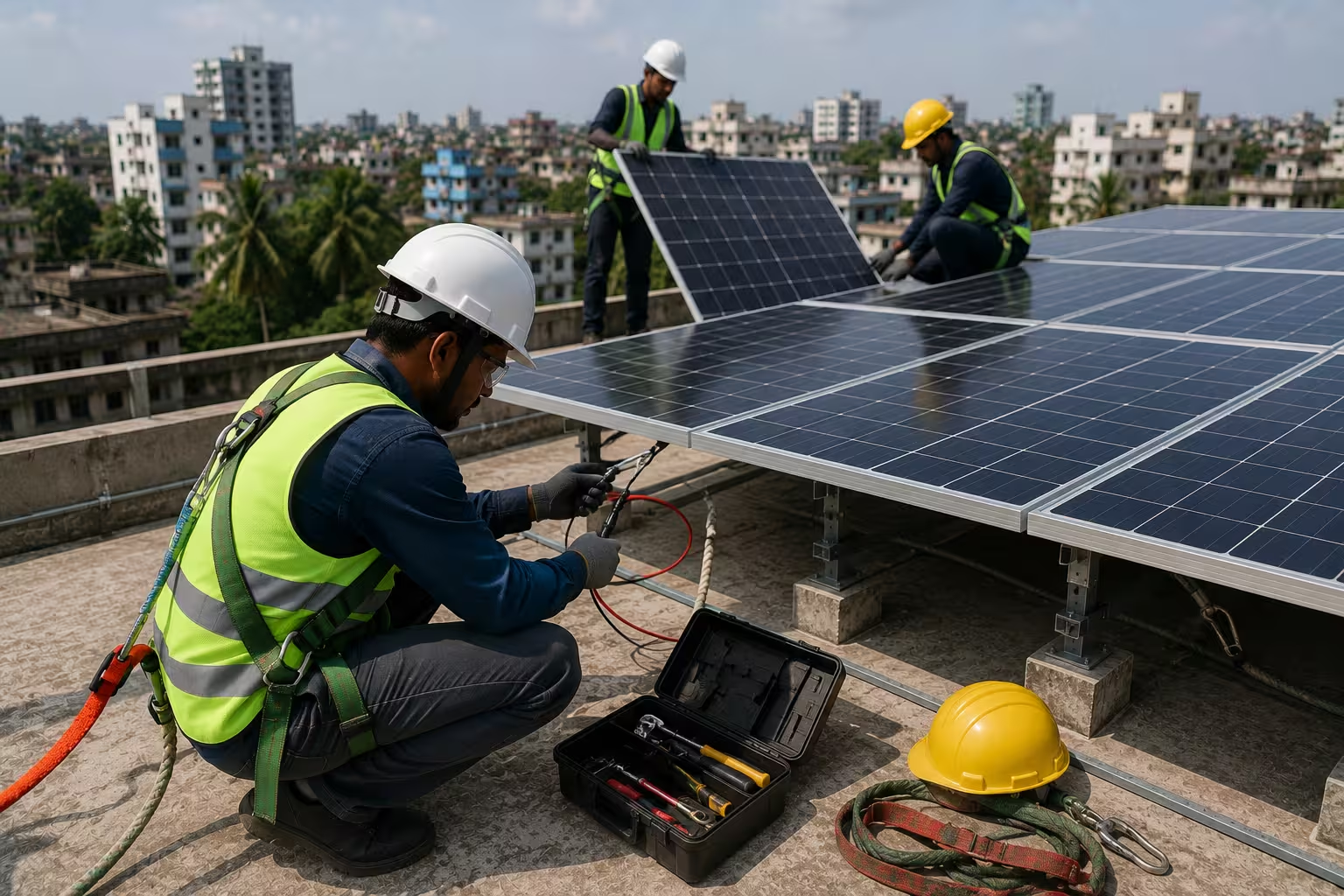
A solar panel starts generating electricity the moment light touches it. Not when it’s switched on. Not when it’s wired into the inverter. The moment light hits the cell. This is the one fact that changes how you should think about solar installation safety — a panel sitting disconnected on your rooftop, wrapped in its packaging, can still carry a live DC charge on a sunny afternoon.
That single detail explains most of what follows in this guide.
Is solar panel installation actually dangerous?
Not if it’s done properly. The real risks — falls, electric shock, fire from bad wiring, structural failure during a storm — are all well understood and almost entirely preventable. What makes solar installation different from, say, hanging a ceiling fan is that two separate hazards stack on top of each other: you’re working at height, and you’re working with electricity that can’t simply be “switched off” the way household wiring can.
Most safety failures don’t come from exotic equipment problems. They come from someone skipping a basic step because it seemed unnecessary that day — a ladder that wasn’t quite stable, a connection checked “later,” an installation squeezed in before an approaching storm.
Before anyone touches your roof
A rushed site visit is where most later problems start. A proper assessment, done before any panel is mounted, should cover:
- Structural check — can your roof actually bear the added weight, and is the surface (tin, RCC, tile) suited to the mounting method being proposed?
- Shading and obstruction survey — water tanks, satellite dishes, and neighbouring buildings all affect panel placement, not just output
- Electrical readiness — where the inverter, disconnects, and grounding points will sit, and whether your existing wiring can safely handle the new load
- Permits and utility registration — for grid-tied systems, this means applying through your distribution utility for net metering approval before installation, not after
If your installer skips straight from a quote to a mounting date without a real site assessment, that’s worth pausing on. A proper roof and site survey isn’t a formality — it’s the step that determines whether the rest of the installation is safe.
What should actually happen while the system is being installed
Fall protection isn’t optional, even for a small residential job. Anyone working above roof height should have proper anchor points, and loose debris, exposed skylights, and unstable ladder placement should all be dealt with before work starts — not worked around.
Electrical safety is where the “it’s disconnected, so it’s safe” assumption gets people hurt. Panels should be covered with an opaque material during wiring work specifically to stop them from generating current while connections are being made. Insulated tools, verified grounding, and a check of every connection before the system is energised aren’t extra precautions — they’re the baseline.
Weather timing matters more than people expect. Installation shouldn’t happen during rain, high wind, or when a storm is visibly approaching. Wet surfaces make falls more likely, and metal tools and racking become better conductors exactly when you don’t want them to be.
Basic PPE should be visible on-site: insulated gloves, non-slip footwear, and eye protection, at minimum. If a crew shows up without any of this, it’s a reasonable signal about how seriously the rest of the job will be handled.
The equipment choices that quietly decide how safe your system stays
Two systems can look identical on a rooftop and behave very differently in year three, depending entirely on what’s underneath the panels.
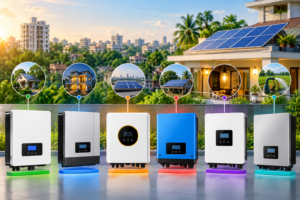
- Certified components matter more than price alone. Panels, racking, and inverters that meet recognised international safety and performance standards are considerably more predictable than uncertified imports, particularly under Bangladesh’s combination of heat, humidity, and monsoon wind loading.
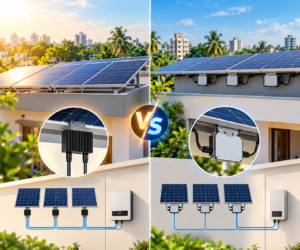
- Microinverters reduce one specific risk. Because they convert DC to AC at each individual panel rather than combining high-voltage DC across a whole string, they lower the exposure to dangerous DC voltage compared to a traditional string inverter setup — a genuine safety advantage, not just a performance one.
- Battery chemistry affects fire risk. Lithium iron phosphate (LiFePO4) batteries are generally considered a safer choice for home energy storage than older lithium-ion chemistries, largely because they’re less prone to thermal runaway. This matters more in Bangladesh than in many markets, simply because more households are pairing solar with storage specifically to cover load-shedding, not just to trim their bill.
Muspana manufactures and supplies solar charge controllers, inverters, and related components for the Bangladesh market, and works with certified suppliers on the equipment side of installations — which is a reasonable thing to know when you’re evaluating what’s actually going onto your roof, whatever installer you end up using.
Should you install any of this yourself?
Some parts of a solar installation are genuinely reasonable for a capable DIY-er. Others aren’t, regardless of how confident you feel.
| Task | Reasonable to DIY | Should be done by a professional |
| Mounting racking on ground-level or low-rise structures | Often, with proper research and PPE | — |
| Physically lifting and positioning panels | With a second person and correct technique | — |
| DC wiring between panels and inverter | — | Yes — live-voltage risk, get it wrong and it’s dangerous |
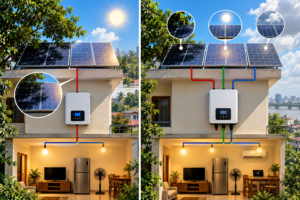
| Grounding and earthing | — | Yes — improperly grounded systems are a fire and shock risk |
| Connection to the grid / net metering setup | — | Yes — this also requires utility approval, not just competence |
| Battery installation and configuration | — | Strongly recommended, especially for lithium-based systems |
If you’re leaning toward doing some of this yourself, the honest boundary is: anything involving live electrical connections, grounding, or grid interconnection should go to someone qualified, even if you’re comfortable handling the physical mounting work. Saving money on labour isn’t worth the risk of getting the wiring wrong.
What’s genuinely different about doing this in Bangladesh
A few local realities change this topic here in ways that generic safety guides — most of which are written for a US or Australian rooftop — simply don’t address.
Rooftop solar is no longer just a personal choice for many buildings. Under a Power Division circular issued in December 2025, any building with roughly 1,000 square feet or more of usable roof space is now required to install net-metered rooftop solar when applying for a new electricity connection, for a minimum of 20 years. The Net Metering Guideline 2025 also raised the allowable system size from 70% up to 100% of a building’s sanctioned load. One practical effect of this mandate is worth naming honestly: more buildings are installing solar now because they have to, not because they chose to and researched it carefully — which makes installer vetting and basic safety literacy more important, not less.
Monsoon season changes the installation calendar, not just the weather forecast. Racking rated for real wind load, and inspection timed before the monsoon rather than during it, matters more here than in drier climates.
Lightning is a real, underrated risk for rooftop arrays. An elevated metal structure is exactly the kind of thing lightning finds attractive, and Bangladesh has a genuine seasonal lightning problem. Proper grounding is part of the answer — a dedicated lightning protection system is the other part, and it’s worth asking any installer whether one is included, not assumed. Muspana has installed lightning protection systems across hundreds of kilometres of infrastructure in Bangladesh, which is part of why solar earthing and lightning protection tend to get treated as one connected topic rather than two separate afterthoughts.
Apartment buildings add a layer nobody else’s checklist accounts for. Rooftop access in a Dhaka flat isn’t usually a single homeowner’s decision — it involves the building committee, shared water tank space, and sometimes other residents’ satellite equipment. Sorting out access and responsibility before installation day avoids a surprising number of on-site delays and disputes.
After the panels are up
Installation safety doesn’t end when the crew leaves. A system that was installed correctly can still develop problems if it’s never checked again.
- Visual inspection for loose mounting hardware, damaged wiring, or corrosion, particularly after monsoon season
- Confirming grounding connections haven’t loosened over time
- Checking inverter fault logs periodically, if your system has monitoring
- Having a qualified technician inspect the system every year or two, not just when something visibly goes wrong
Grid-connected systems should also go through inspection by the relevant distribution utility before they’re switched on — this isn’t just bureaucracy, it’s an independent check that the interconnection was done safely.
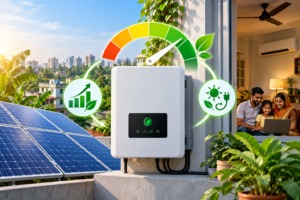
Solar panel installation safety, ultimately, comes down to a short list of things done consistently: proper site assessment, real fall protection, treating every panel as live until proven otherwise, certified equipment, and honest boundaries around what to DIY. None of it is complicated. Most of it is just easy to skip when nobody’s checking.
Muspana has been involved in solar installation work across Bangladesh since 2008, including institutional and government projects, alongside its manufacturing of solar charge controllers, inverters, and lightning protection systems — which is the kind of ground-level experience this guide draws on.
FAQs
Is it safe to install solar panels myself in Bangladesh?
Some parts — like physically positioning panels or ground-level racking — can be reasonable for a capable DIY-er with proper research and PPE. The electrical connections, grounding, and grid interconnection should be handled by a qualified professional, since these involve live-voltage risk and typically require utility approval anyway.
Do solar panels generate electricity even when disconnected?
Yes. A solar panel produces DC electricity as soon as light hits its cells, regardless of whether it’s wired into an inverter or connected to a grid. This is why panels are typically covered during installation and why “the system is off” isn’t the same as “the panels are safe to touch.”
What happens if a solar system is installed incorrectly?
Depending on the mistake, consequences range from reduced system performance and voided warranty coverage to genuinely dangerous outcomes like electrical fire, shock, or panels detaching in high wind due to inadequate racking. Grounding errors and rushed weatherproofing are among the most common causes of longer-term problems.
Does Bangladesh require rooftop solar for all buildings?
Not all buildings. Under a Power Division circular from December 2025, buildings with roughly 1,000 square feet or more of usable roof space are required to install net-metered rooftop solar when applying for a new electricity connection, with a minimum 20-year commitment. Smaller buildings and existing connections aren’t automatically affected — it’s worth checking current rules with your distribution utility, since this policy is relatively new.
Why does lightning protection matter for rooftop solar?
An elevated metal structure on a roof is a natural target for lightning, and Bangladesh sees meaningful seasonal lightning activity. Proper grounding reduces risk, but a dedicated lightning protection system adds a further layer of protection that’s worth asking about specifically, rather than assuming it’s automatically included.
How much does a safely installed solar system cost in Bangladesh?
Costs vary significantly by system size, equipment quality, roof type, and whether battery storage is included, so there isn’t a single reliable figure to quote here. Treat any number you’re given — including estimates elsewhere online — as a starting point for comparison, not a fixed price, and ask installers to break down what’s included in their quote.